
Apple accuses OpenAI of stealing trade secrets in a new lawsuit over hardware plans, supply chain data, and former employees Tang Tan and Chang Liu.
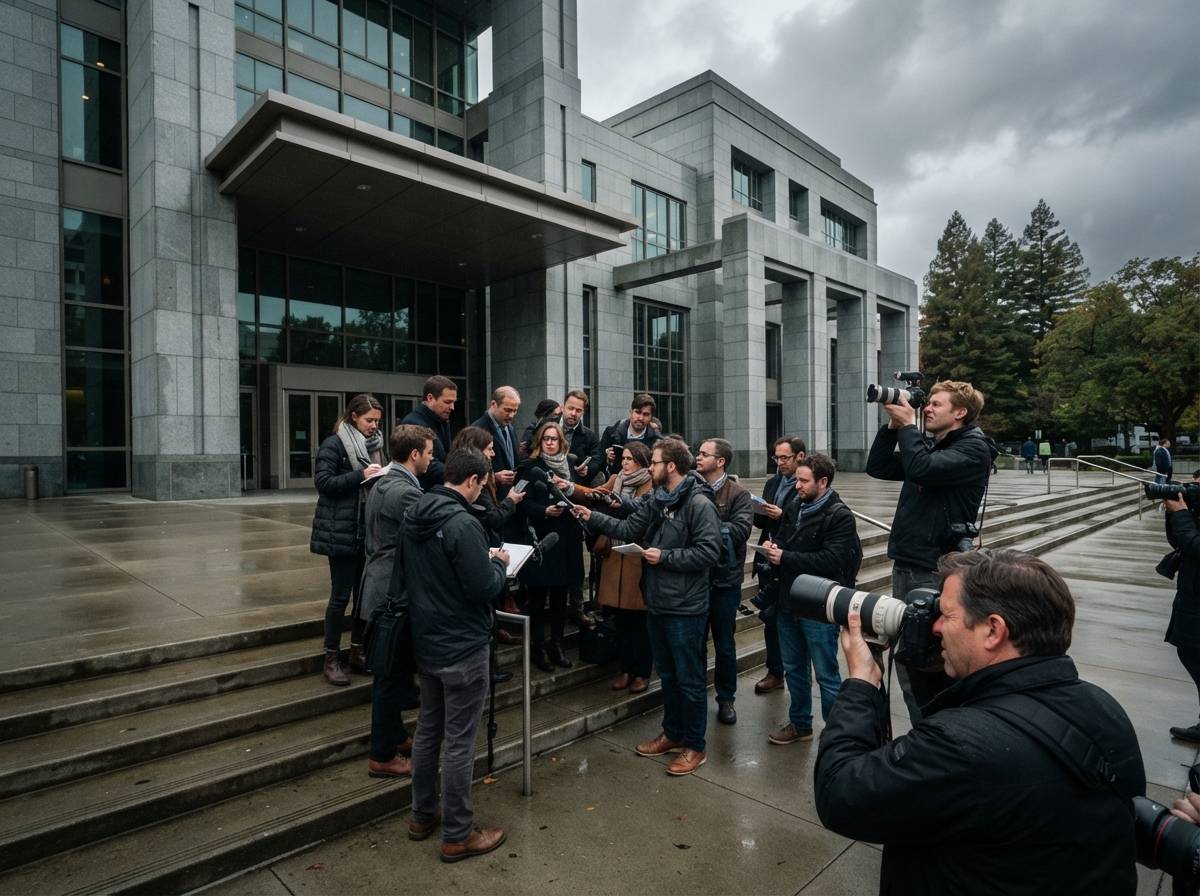
Apple has accused OpenAI of stealing its trade secrets, filing a lawsuit that turns a once friendly software partnership into a courtroom fight over AI hardware. The suit, lodged in the Northern District of California, names OpenAI, two former Apple employees now at OpenAI, and io Products, the hardware firm OpenAI bought last year.
What Apple Alleges in the Filing
The 41 page complaint claims OpenAI systematically obtained confidential Apple data, including unreleased hardware plans, technical specifications, and details about the suppliers and contractors that make up Apple's supply chain. Apple's language is blunt: it says OpenAI's hardware ambitions rest on a foundation "rotten to its core" because of what it calls illegal reliance on stolen material.
Two individuals are singled out. Tang Tan, who spent about 24 years at Apple and rose to vice president over iPhone and Apple Watch design before leaving for io Products in 2024, is accused of using internal Apple codenames while recruiting for OpenAI, pushing interview candidates to disclose Apple secrets, and telling them to bring physical Apple hardware parts into interviews. Tan now serves as OpenAI's chief hardware officer.
Chang Liu, a member of OpenAI's technical staff, is accused of downloading dozens of confidential files covering engineering presentations, technical specs, and data tied to products Apple has not yet released. Apple also claims Liu coached an Apple employee on how to copy files without tripping the company's security safeguards. Beyond the two employees, Apple says OpenAI used insider knowledge of its supplier relationships and internal terminology to approach those same supply chain partners directly.
OpenAI's Response
OpenAI pushed back through a statement to Fortune, saying it has "no interest in other companies' trade secrets" and that its focus remains on building technology that helps people. An Apple spokeswoman countered that the company's teams are constantly working on new technology and that protecting that work is something Apple treats as a serious priority.
A Partnership That Cooled Before Turning Adversarial
Apple and OpenAI were once collaborators, with ChatGPT built into Apple's software and tied into Siri. That arrangement lost steam over time, and in January Apple said it would lean on Google instead for its Apple Intelligence push. The lawsuit lands as a sharp reversal from that earlier cooperation.
OpenAI's hardware push is central to the dispute. The company has been building devices meant to run ChatGPT directly, a strategy aimed at giving it control over physical products instead of depending on companies like Apple to distribute its software. That ambition led OpenAI to poach several Apple product leaders and, in May 2025, to pay $6.4 billion for io Products, the firm cofounded by Apple's former design chief Jony Ive. OpenAI CEO Sam Altman has spoken openly about wanting a new category of AI gadgets to eventually replace smartphones as people's primary device. Ive himself is not named as a defendant in Apple's suit.
Why the Timing of the Apple OpenAI Lawsuit Stands Out
The case arrives as both companies are mid transition. Apple CEO Tim Cook is set to hand control to John Ternus in September, while OpenAI is preparing for a potential initial public offering and facing sharper competition from rivals such as Anthropic and Google. Apple is asking the court for injunctive relief, monetary damages, and declaratory judgments to halt what it describes as ongoing theft.
This is not the first time OpenAI has landed in litigation over how it handles outside material. The New York Times sued OpenAI and Microsoft in 2023, accusing them of using its articles to train AI models without permission. More recently, in June, a California judge dismissed a lawsuit from Elon Musk's xAI, which had accused OpenAI of recruiting a former xAI engineer to pass along information about its Grok chatbot.