
With $184.4B in revenue and 3.7 million barrels produced daily, Chevron is a pillar of American energy on a genuinely global scale.
An Energy Giant, By the Numbers
Chevron Corp is not a company that deals in small numbers. Headquartered in Houston, Texas, it is the second-largest oil company in the United States — an integrated energy giant whose operations stretch from undersea wells to filling-station fuel, spanning six continents and tens of thousands of employees.

Understanding Chevron means grasping its sheer industrial scale, then looking at what the financials say about how efficiently it converts that scale into profit.
What 'Integrated' Actually Means
Chevron describes itself as an integrated energy company, which is an important distinction. Integration means Chevron doesn't just pull oil out of the ground — it explores for reserves, drills and produces, then refines raw crude into usable fuels and products.
That vertical reach gives the company more control over its value chain than a pure producer or pure refiner could achieve alone.
Production That Spans Six Continents
Chevron's 2025 worldwide net oil-equivalent production reached 3.7 million barrels per day — a figure that includes 8.5 billion cubic feet per day of natural gas and 2.3 million barrels of liquids per day.
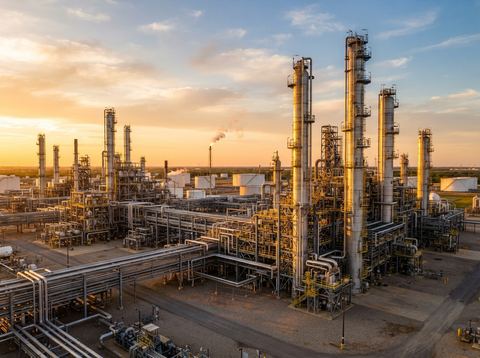
Production assets are spread across North America, South America, Europe, Africa, Asia, and Australia. Its refining network is concentrated in the United States and Asia, with a total worldwide refining capacity of 1.8 million barrels of oil a day at year-end.
A Workforce Behind the Output
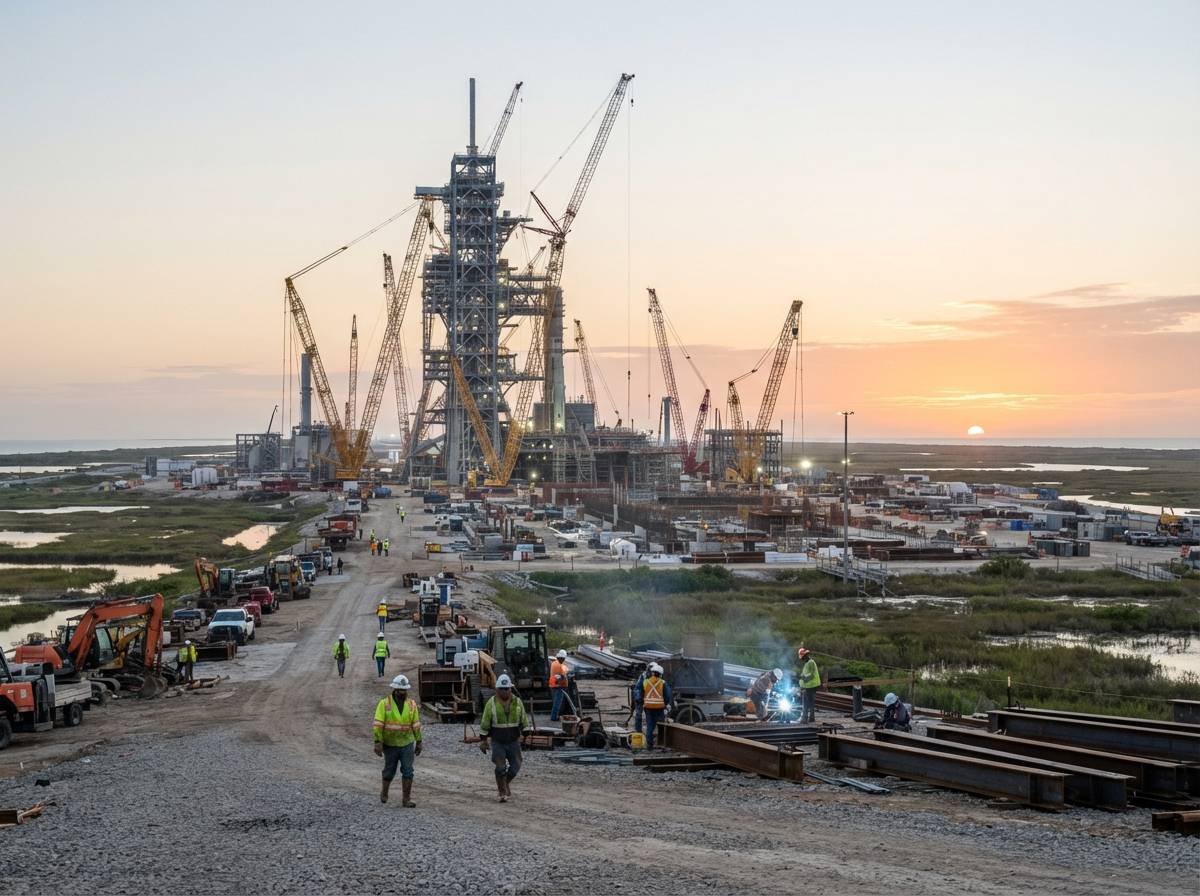
Operating at that scale requires people. Chevron employs approximately 43,039 workers worldwide — engineers, geologists, refinery operators, and logistics professionals — supporting an asset base that spans some of the most complex industrial infrastructure on Earth.
Revenue Scale and Growth
For fiscal year 2025, Chevron posted revenue of $184.4 billion — a number that places it among the largest revenue-generating corporations in the country. That figure represents 16% growth from FY2021 to FY2025, reflecting both commodity price dynamics and the company's expanding production base.
For context, very few companies anywhere in the world generate revenue in this range. Chevron's total assets stand at $324.0 billion, underlining the enormous physical and financial infrastructure behind those sales.
Profitability and Margins
Revenue at this scale doesn't automatically mean profit, and Chevron's margins tell a nuanced story. The company carries a gross margin of 42.8%, which reflects healthy economics at the production and refining level.
Net income for FY2025 came in at $12.3 billion, translating to a net margin of 6.6%. In absolute terms, $12.3 billion in profit is substantial. The comparatively thinner net margin reflects the capital intensity, operating costs, and tax burdens characteristic of integrated oil majors.
Market Value and Investor Returns
Chevron trades on the NYSE under the ticker CVX, with a market capitalization of $373.0 billion. Its recent share price stood at $168.47 (15-minute delayed), placing the stock roughly 20% below its 52-week high — a detail that reflects broader energy-market sentiment rather than any single company-specific event.
The company's price-to-earnings ratio of 25.4 gives a sense of how the market values its earnings relative to peers. For income-oriented observers, Chevron also pays a dividend yielding approximately 4.23% annually — a return that has historically made it a fixture in dividend-focused portfolios.
A Long Track Record
Chevron has been publicly traded since January 1970, giving it more than five decades as a listed company. That longevity — through oil shocks, recessions, and energy transitions — speaks to the durability of its business model and its ability to adapt to shifting market conditions.
The Bottom Line
Chevron is, in almost every measurable sense, one of the foundational companies of American industry: a massive producer, a global refiner, and a consistent profit generator operating across six continents with a workforce of tens of thousands.
This article is factual reporting drawn from public filings and market data, and is not investment advice.