
A plain-English look at EQT Corp's revenue, profit, and market value, and what they reveal about the Pittsburgh gas producer's standing today.
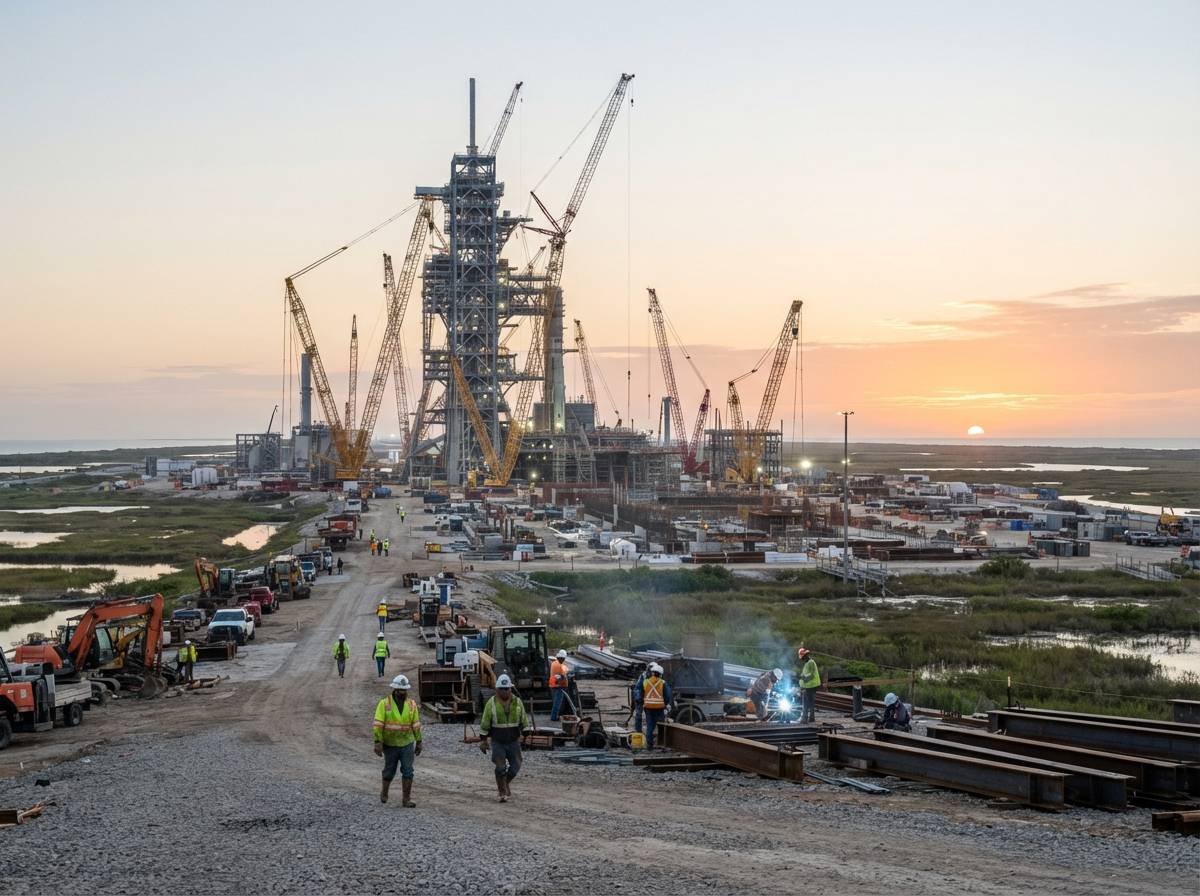
Beneath the hills of Appalachia sits one of the country's most productive natural gas plays, and the company that has staked its future there is EQT Corp. Headquartered in Pittsburgh, Pennsylvania, EQT has spent decades drilling into the Marcellus and Utica shales, and its recent financial results show a business that has scaled dramatically while staying solidly profitable.
What EQT Actually Does
EQT is an independent natural gas production company. It focuses its operations in the cores of the Marcellus and Utica shales, located in the Appalachian Basin in the Eastern United States, selling gas to marketers, utilities, and industrial operators in the region.
Three Segments, One Basin
The company organizes its work into three reportable segments: production, gathering, and transmission. The transmission piece is now run as an operated joint venture with Blackstone, a structure that lets EQT share the cost and complexity of moving gas to market while keeping drilling and gathering under its own control. Notably, all of the firm's operating revenue is generated within the United States, with the bulk of it tied to the Marcellus Shale.
Sizing Up the Revenue
In its 2025 fiscal year, EQT reported revenue of $8.6 billion. That is a substantial figure for a company with roughly 1,523 employees, underscoring how capital-intensive and output-driven natural gas production is compared to labor-intensive businesses. A relatively small workforce oversees a very large volume of gas extraction, gathering, and transport.

A Fast Climb
What stands out most is the pace of that growth. Revenue rose 182% from fiscal year 2021 to fiscal year 2025, a jump that reflects both higher gas volumes and the broader consolidation of assets EQT has pursued in Appalachia. Few companies in any industry post growth of that magnitude over a four-year stretch.
Profitability Behind the Numbers
EQT turned that revenue into $2.0 billion in net income for fiscal 2025. That translates to a net margin of 26.9%, meaning the company kept roughly 27 cents of every revenue dollar as profit after all costs. Its gross margin, a measure of profitability before overhead and other expenses, stood even higher at 82.3%.
Balance Sheet Scale
The company's total assets came in at $41.8 billion, a figure that reflects the enormous physical footprint required to drill, gather, and transport natural gas across a major shale basin. Pipelines, wells, and processing infrastructure are expensive to build and maintain, and that asset base is a big part of why.
How the Market Values EQT
EQT trades on the New York Stock Exchange under the ticker EQT, with a recent share price of $54.01. That price puts the company's market capitalization at $33.6 billion, and shares are currently trading 20% below their 52-week high. The stock carries a price-to-earnings ratio of 16.3, a way of expressing how the market values EQT's profits relative to its share price.
A Modest, Steady Dividend
EQT also pays a dividend, currently yielding about 1.22% annually. That is a modest payout relative to the share price, suggesting the company is directing much of its profit toward other priorities, such as its asset base and operations, rather than primarily toward shareholder distributions.
A Long Corporate History
EQT has been a publicly traded company since its IPO in June 1950, giving it one of the longer track records among American energy producers. That longevity, paired with its recent growth and profitability, paints a picture of a company that has weathered multiple energy cycles while continuing to expand its footprint in the Appalachian Basin.
This article is factual reporting drawn from public filings and market data, not investment advice.