
Founded in 1968 and still the CPU market share leader in PCs and servers, Intel is posting $52.9 billion in annual revenue while pursuing a sweeping reinvention of its chip manufacturing business.
Intel Corp helped wire the modern world — from a Silicon Valley startup in 1968 to one of the most recognized names in technology. Publicly traded on NASDAQ since October 1971, the Santa Clara, California company built its reputation on a single enduring insight: the chip at the heart of a computer matters more than almost anything else.

The x86 Legacy
Intel pioneered the x86 microprocessor architecture — the design blueprint that still powers the vast majority of the world's personal computers and servers. That early bet shaped the entire trajectory of the PC era and made Intel a household name among engineers, IT buyers, and everyday consumers alike.
The company also became synonymous with Moore's Law, the principle that semiconductor capability advances on a reliable doubling curve. For decades, Intel didn't just follow that curve — it set the pace for the entire industry.
What Intel Actually Does
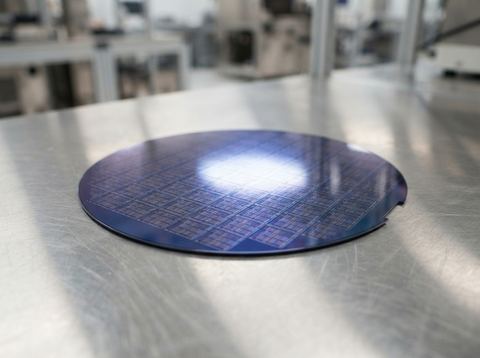
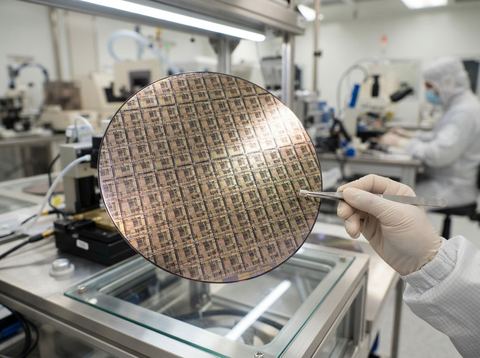
Today Intel operates across two main areas: Intel Products, which designs and sells microprocessors for PCs and data centers, and Intel Foundry, its chip manufacturing arm aimed at producing chips for outside customers as well as its own use. The company remains the market share leader in central processing units for both consumer PCs and enterprise servers.
With approximately 851,001 employees worldwide, Intel's workforce places it among the largest employers in the global technology sector.
Revenue at a Glance
Intel posted revenue of $52.9 billion in FY2025 — a figure that underscores just how large the company's footprint remains. Those billions flow from the chips inside laptops, workstations, and the server racks that underpin modern cloud computing.
A Significant Slide
That $52.9 billion figure tells only part of the story. Revenue declined 33% from FY2021 to FY2025, a steep drop that reflects intensifying competition and the considerable difficulty of reshaping a business at Intel's scale.
Profitability Under Pressure
Intel reported a net loss of $267.0 million in FY2025, with a gross margin of 34.8% and a net margin of 0.0%. The company is still generating meaningful value from each dollar of sales, but the costs tied to its reinvestment program press hard against those gains.
Total assets stand at $211.4 billion — a number that reflects the enormous scope of a company manufacturing some of the most complex products ever made.
Market Value and the Stock
Intel's market capitalization sits at $498.4 billion, making INTC one of the most substantial listings on the NASDAQ exchange. The recent share price of $128.32 (15-minute delayed) puts the stock trading 9% below its 52-week high, as investors closely watch the company's ongoing transformation.
A Modest Dividend
Intel pays a dividend yielding approximately 0.39% annually — a relatively modest figure that signals the company's priority is funding its strategic reinvention rather than maximizing near-term cash returns to shareholders.
A Company at a Crossroads
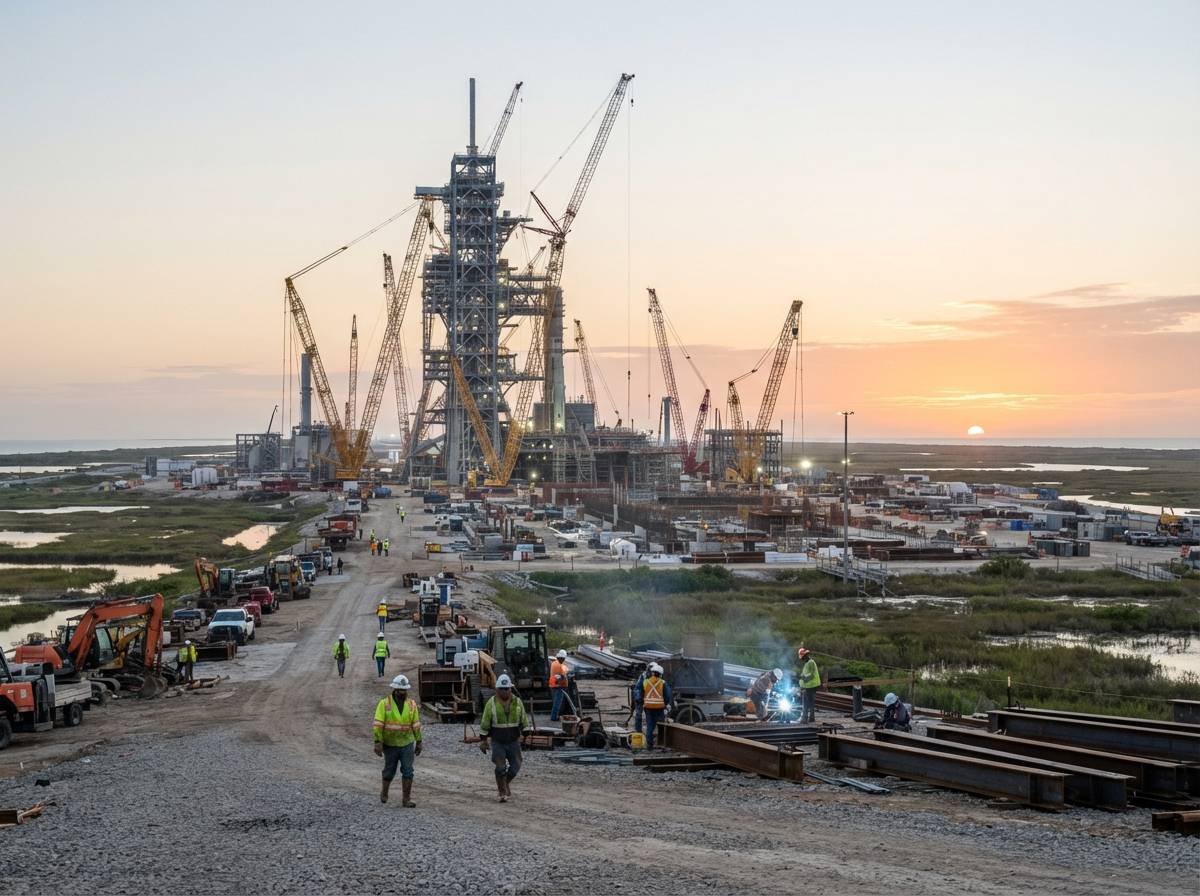
Intel is navigating a challenge familiar to iconic technology companies: defending a storied market position while rebuilding the foundational capabilities needed to compete in the next generation of computing. The Intel Foundry initiative sits at the center of that push, aiming to attract outside customers and reclaim manufacturing relevance on the global stage.
How that effort unfolds will shape what this 1968 startup looks like for the decades ahead.
This article is factual reporting drawn from public filings and market data; it is not investment advice.