NuScale Power's $4.2B valuation dwarfs its $10.7M in sales. See the numbers behind the SMR stock and what the last nuclear bomb test era reveals about nuclear delivery.
NuScale Power (NYSE: SMR) designs small modular nuclear reactors built in factories rather than assembled piece by piece at a construction site, and the stock has drawn fresh attention as utilities and data center operators search for reliable power sources. The last nuclear bomb test conducted by the United States, decades ago, has little direct bearing on this story, but it does mark the end of an era when nuclear ambition and nuclear delivery moved at very different speeds in America, a mismatch NuScale is now trying to fix on the civilian power side.
A $4.2 Billion Price Tag on $10.7 Million in Sales
NuScale trades with a market capitalization near $4.2 billion, yet its revenue over the trailing 12 months comes to just $10.7 million. That gap tells you the market isn't pricing what NuScale sells today. It's pricing what the company might eventually build for utilities and the AI data center operators now hunting for around the clock electricity. Second quarter revenue landed at $75,000, a steep drop from $8.1 million a year earlier when the company was still collecting engineering fees tied to its Romanian project. That work ended in late 2025, and total revenue for the first half of 2026 came to only $640,000. The company posted a net loss attributable to Class A shareholders of $47.5 million for the quarter. With sales this thin, standard valuation yardsticks like P/E ratios don't apply in any meaningful way, and there's no dividend to speak of. The company does hold $1.9 billion in cash and investments, giving it years of runway, but that cushion was built by selling stock. The weighted average Class A share count nearly tripled year over year to about 365 million shares, and a new $750 million at the market stock sale program was added this week.
Momentum, Dilution and the Question of Yield
NuScale pays no dividend, so income investors have nothing to weigh here. What matters instead is the balance between speculative momentum and the real dilution happening beneath it. Shares have swung sharply as news flow around nuclear power and AI electricity demand has intensified, and that kind of price action tends to pull in short term traders chasing the story rather than the earnings. The bull case rests on scarcity: NuScale holds the only small modular reactor design certification the Nuclear Regulatory Commission has issued, and it won approval for an updated design in May 2025. It says it has assembled a supply chain of more than 60 partners and signed over 30 supply agreements. CEO John Hopkins framed it plainly in the company's second quarter release, saying the question for buyers is no longer whether to choose nuclear but which technology can actually deliver, and when.
The bear case is just as direct. A 12 module NuScale plant tops out at 924 megawatts, which is still less than a single new reactor unit at Georgia's Vogtle plant produces on its own. Interest and studies are not the same as signed, funded orders, and neither of NuScale's two most advanced opportunities has crossed that line. The Tennessee Valley Authority is discussing a definitive power purchase agreement with ENTRA1 Energy, NuScale's commercialization partner, a deal the company describes as potentially the largest nuclear deployment program in U.S. history. In Romania, the six module RoPower project, which NuScale calls the most advanced small modular reactor effort in Europe, is still working through conditions tied to a shareholder vote needed to move it forward.
What the 26 to 2 Record Says About Delivery Risk
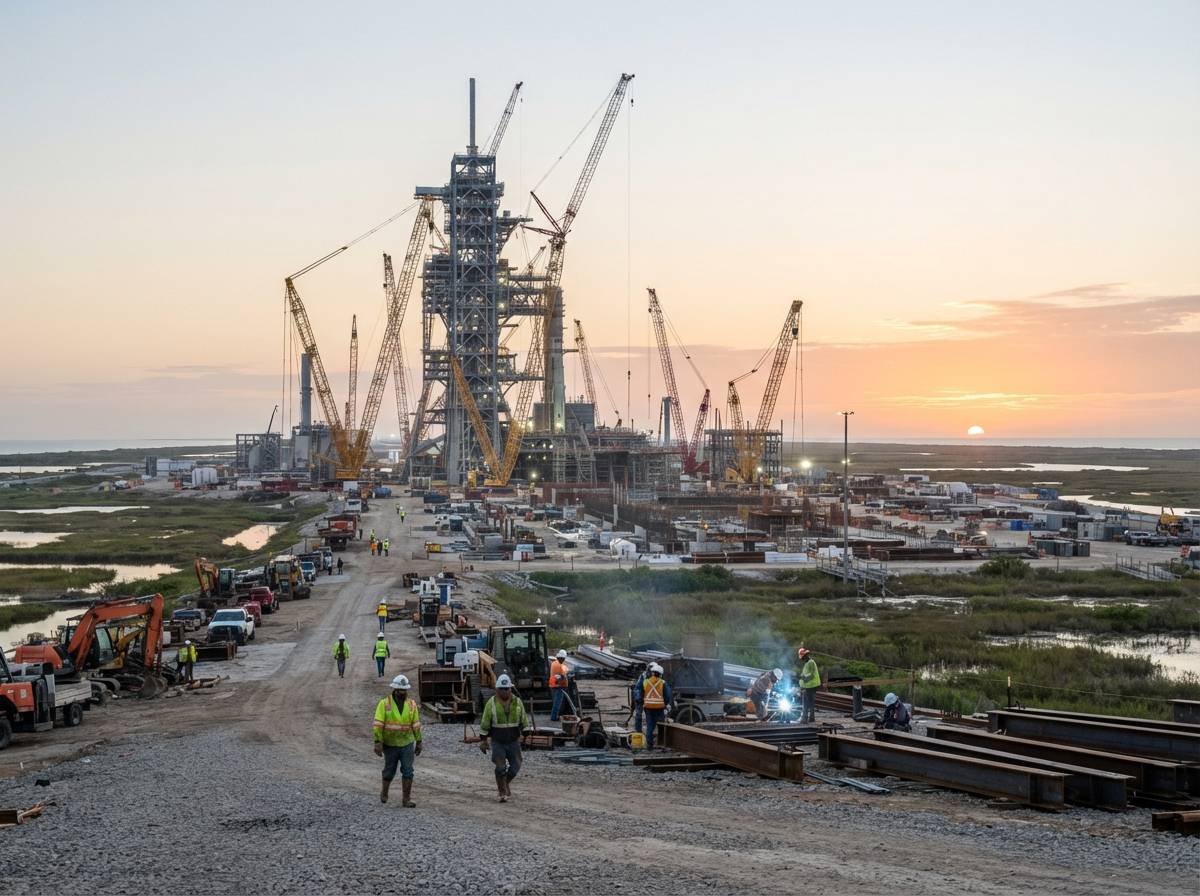
By mid 2009, American utilities had filed combined license applications with the Nuclear Regulatory Commission for 26 new reactors across 17 sites, part of what was billed at the time as a nuclear renaissance. Only two of those reactors were ever finished. Georgia's Vogtle Units 3 and 4 were originally projected to cost $14 billion and enter service in 2016 and 2017. They finally came online in July 2023 and spring 2024, seven years late and at a final cost exceeding $30 billion, more than double the original estimate. South Carolina's V.C. Summer expansion got as far as construction before its utilities halted the project in 2017. The rest of the 26 applications were withdrawn, suspended, or left to lapse after licenses were granted but never used. By the time Vogtle's second new unit went into service in 2024, no other reactor was under construction anywhere in the country.
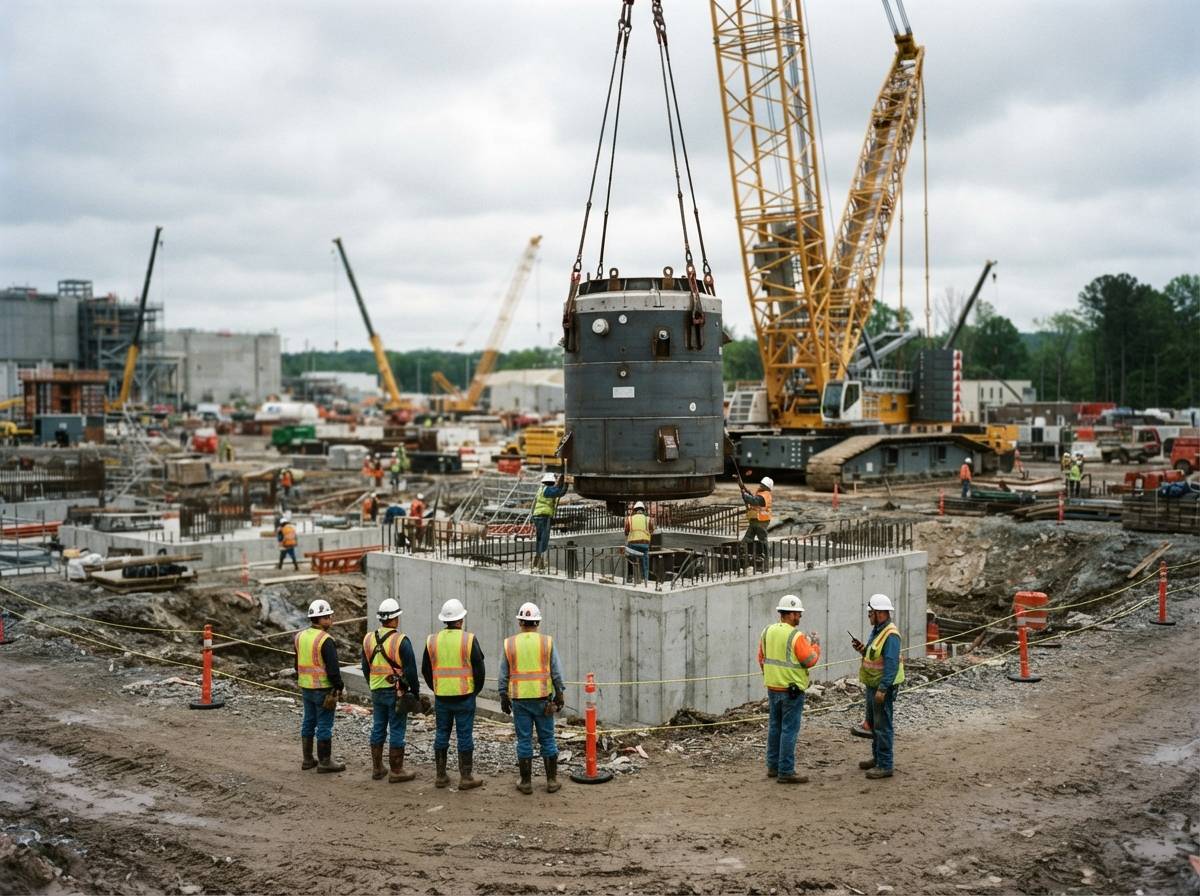
The lesson from that history isn't about whether the reactor technology worked. Vogtle's units do work. The failure sat in the years and dollars separating an application from a finished plant. NuScale's factory built module approach is designed specifically to shrink that gap, and this cycle brings a buyer type the last one didn't have in data center operators with urgent power needs and heavy cash reserves. But the last boom also had committed utilities, federal backing, and 26 reactors on paper, and it produced two working plants, both late and both wildly over budget.
Is the Last Nuclear Bomb Test Relevant to This Debate?
The last nuclear bomb test conducted underground by the United States took place at the Nevada Test Site in September 1992, closing out an era of weapons testing that had run for nearly five decades. That history has no direct financial link to NuScale's commercial reactor business, but it underscores a broader point: nuclear technology in America has long moved from testing and demonstration to full scale deployment slowly, shaped by regulation, politics, and enormous cost. NuScale's current valuation, roughly $4.2 billion built on $10.7 million of trailing sales, is a bet that this pattern breaks this time. The Tennessee Valley Authority talks and the RoPower project in Romania remain the two clearest tests of whether that bet pays off, and neither has produced a signed, funded order yet.
Frequently Asked Questions
Is nuclear bomb tested?
Nuclear weapons are no longer tested through live explosive detonations by the United States, Russia, the United Kingdom, France, or China, all of which observe testing moratoriums, though North Korea has continued explosive testing in recent years.
How nuclear bomb tested?
Historically, nuclear devices were tested through atmospheric, underwater, or underground detonations, with underground testing becoming the standard method after atmospheric tests were banned in 1963 due to fallout concerns.
When was the last nuke test?
The United States conducted its last nuclear bomb test in September 1992 at the Nevada Test Site. Globally, the most recent known nuclear test was conducted by North Korea in 2017.
Is nuclear bomb testing banned?
The Comprehensive Nuclear Test Ban Treaty, adopted in 1996, prohibits all nuclear explosions, though it has not formally entered into force because several required countries, including the United States, have not ratified it. Most nuclear armed states still observe a testing moratorium in practice.
Can a nuclear bomb be detected?
Yes. Nuclear detonations can be detected through seismic monitoring, radionuclide sampling, infrasound, and hydroacoustic sensors, a global network that international monitoring organizations use to identify suspected nuclear tests.