Mark Zuckerberg's metaverse buildout is driving record backlogs at Caterpillar and Eaton as AI data center construction accelerates through 2026.
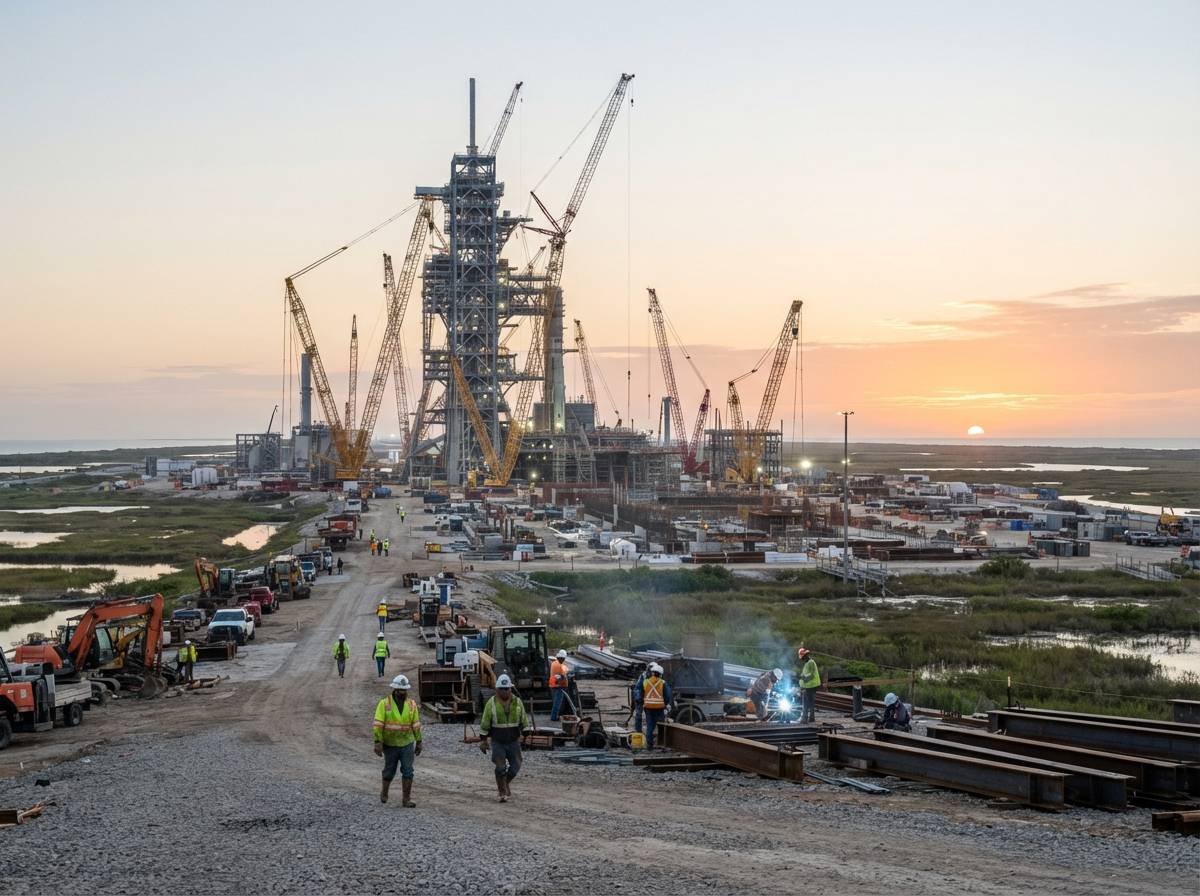
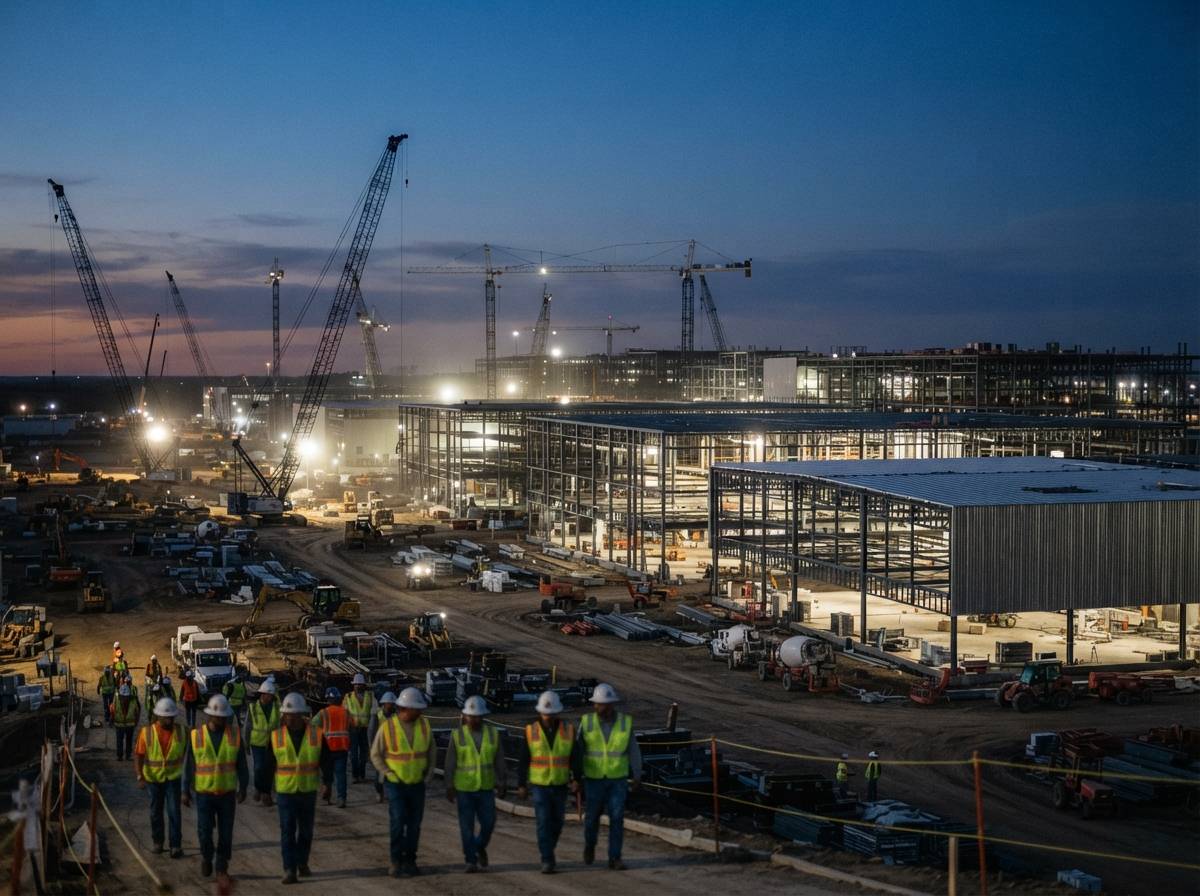
Mark Zuckerberg's metaverse and artificial intelligence ambitions have turned into a surprisingly big payday for two old school industrial names. Meta (NASDAQ: META) is building a data center whose planned capacity jumped from 2 gigawatts when announced in October 2025 to 5 gigawatts by July 2026, and that kind of construction requires more than server racks. It requires earth movers, generators, and electrical infrastructure, which is where Caterpillar (NYSE: CAT) and Eaton (NYSE: ETN) come in.
Why Mark Zuckerberg's Metaverse Buildout Needs Bulldozers, Not Just Chips
Meta isn't alone in this race. Space Exploration Corporation (NASDAQ: SPCX) is also leasing out AI computing capacity through facilities it calls Colossus I and Colossus II. These data centers are enormous physical structures, and building them demands heavy equipment plus on-site power generation that avoids straining local electric grids. That combination has turned Caterpillar and Eaton into unlikely beneficiaries of the AI infrastructure race.
Caterpillar makes the earth-moving machinery needed to construct these massive facilities and also supplies power generators for sites that need electricity without tapping the public grid. That second piece matters a lot right now, since grid capacity has become a genuine constraint on how fast data centers can get built. The result shows up directly in Caterpillar's financials: revenue climbed 22% in the first quarter of 2026, with adjusted earnings up 30%. The more striking figure is the company's backlog, which hit a record $63 billion, up 79% from the first quarter of 2025. That backlog functions as a preview of future revenue, giving investors a sense of how long this demand cycle could run.
Eaton's Power Management Backlog
Eaton sells the electrical products that form the backbone of AI data centers, essentially the wiring and power management systems that keep these facilities running. The company had already been riding the broader electrification trend for years before AI demand added a fresh layer of growth. Its Americas division backlog has grown more than 40% year over year, and order growth in that segment has run at roughly 60%. Eaton has also been trimming older business lines to focus its operations, which makes the underlying growth picture a bit harder to parse at a glance, but the backlog itself offers a reasonably clear signal for where revenue and earnings are headed.
Valuation, Momentum and Backlog Growth
Neither stock is a bargain by traditional measures. Caterpillar trades at a price to earnings ratio near 45 times, while Eaton sits around 38 times, multiples that put both well outside value territory and reflect how thoroughly Wall Street has already priced in the AI infrastructure story. The bull case rests on those backlog numbers: a $63 billion order book for Caterpillar and rapid order growth for Eaton suggest revenue visibility that stretches out for quarters, if not years, assuming hyperscalers like Meta keep spending at current levels.
The bear case is straightforward. Both stocks now carry premium valuations built on the assumption that AI data center construction keeps accelerating. Any slowdown in hyperscaler capital spending, a pause in projects like Meta's expanding data center, or a shift in how quickly grid power becomes available could cool sentiment quickly. Elevated price to earnings ratios leave less room for error if growth decelerates, and investors chasing this trend are effectively betting that the current building boom has more room to run rather than reflecting a peak.
Is the AI Infrastructure Cycle Still Early?
The backlog figures at both companies suggest demand hasn't cooled yet, and Meta's decision to more than double its planned data center capacity within roughly nine months hints that hyperscalers are still scaling up rather than pulling back. Whether that pace holds through the rest of 2026 remains the open question, and it will likely hinge on how much capital Meta, Space Exploration Corporation, and other data center operators keep committing to new builds.
Frequently Asked Questions
What was Mark Zuckerberg's GPA?
Public, verified figures for Mark Zuckerberg's college GPA are not part of the record covered by this reporting, and no reliable figure appears in the source material discussed here.
What is Mark Zuckerberg's metaverse?
The term refers to Meta's virtual and augmented reality vision for immersive digital environments, alongside the massive data center infrastructure, including a facility that grew from a planned 2 gigawatts to 5 gigawatts, needed to support AI and related computing demands.
Is Mark Zuckerberg deleting the metaverse?
Nothing in current reporting on Meta's data center expansion suggests the metaverse project is being deleted. Meta continues to expand its computing infrastructure, which points toward continued investment rather than a wind down.
Is Mark Zuckerberg shutting down metaverse?
There is no indication in the current data center buildout news that Meta is shutting down its metaverse efforts. The scale up of its data center capacity suggests the opposite, continued investment in the computing power that underpins these projects.
What happened to Mark Zuckerberg's metaverse?
Rather than being scaled back, the infrastructure behind Meta's metaverse and AI ambitions has grown substantially, with a single data center's planned capacity rising from 2 gigawatts to 5 gigawatts between October 2025 and July 2026.