

A plain-English look at Marvell Technology's business and financial standing, from its networking chip niche to the numbers behind its $230.5B market value.
A Chip Designer Without a Factory
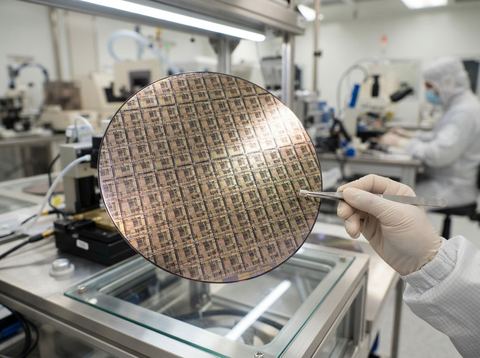
Marvell Technology doesn't manufacture a single chip. It designs them. As a "fabless" semiconductor company, Marvell focuses on engineering and outsources the actual manufacturing to specialized foundries — a common model in the chip industry that lets companies concentrate capital on design talent rather than expensive factories.
Where Marvell Fits
The company holds the second-highest market share in wired networking, a foundational but often overlooked corner of the tech world. Its products — processors, optical and copper transceivers, switches, and storage controllers — move data between servers, storage systems, and networks.
Who Actually Buys This Stuff
Marvell doesn't sell to everyday consumers directly. Instead, it serves four end markets: data centers, telecom carriers, enterprises, and consumer electronics makers. That spread means its fortunes are tied closely to how much the world is investing in digital infrastructure — the servers, networking gear, and storage systems that keep the internet and cloud computing running.

Revenue Scale and Growth
In its most recent fiscal year (FY2026), Marvell generated $8.2 billion in revenue. To put that growth in perspective: revenue climbed 84% from FY2022 to FY2026, a pace that reflects surging demand for the networking and data infrastructure components Marvell builds.
Profitability in Real Numbers
The company turned a net income of $2.7 billion in FY2026. Its gross margin — the share of revenue left after production costs — stands at 51.0%, while its net margin, what's left after all expenses, is 32.6%. Both figures point to a business that keeps a substantial portion of every dollar it brings in.
What the Balance Sheet Shows
Marvell's total assets are valued at $22.3 billion, giving a sense of the resources — cash, equipment, intellectual property, and more — the company has accumulated to support its operations and future growth.
Market Value and Stock Snapshot
On paper, Wall Street currently values Marvell at $230.5 billion in market capitalization, with shares recently trading at $245.29 (a price that updates with a short delay). That valuation is notably larger than the company's annual revenue, a gap partly explained by a price-to-earnings ratio of 79.9 — meaning investors are paying a relatively high multiple of current earnings, often a sign that a market expects future growth. The stock is currently trading 22% below its 52-week high, indicating some pullback from its most recent peak.
A Small Dividend, A Long History
Marvell pays a dividend yielding about 0.1% annually — a modest payout that suggests the company prioritizes reinvesting profits into its business over returning cash to shareholders. The company has been around since 1995 and has traded publicly on the NASDAQ under the ticker MRVL since its IPO in June 2000.
Company Size and Footprint
Despite its scale in market value, Marvell runs a relatively lean operation with approximately 7,480 employees, headquartered in Wilmington, Delaware. That's a modest workforce for a company generating billions in revenue, consistent with the fabless model's lower headcount needs compared to traditional chip manufacturers.
Putting It All Together
Marvell's numbers describe a profitable, fast-growing semiconductor designer whose market valuation reflects investor confidence in continued expansion, even as its stock has cooled somewhat from recent highs.
This article is factual reporting drawn from public filings and market data, not investment advice.