
Meta Platforms plans record AI capex for 2026. See how valuation, RSI momentum and dividend yield stack up as META stock falls 15% this year.
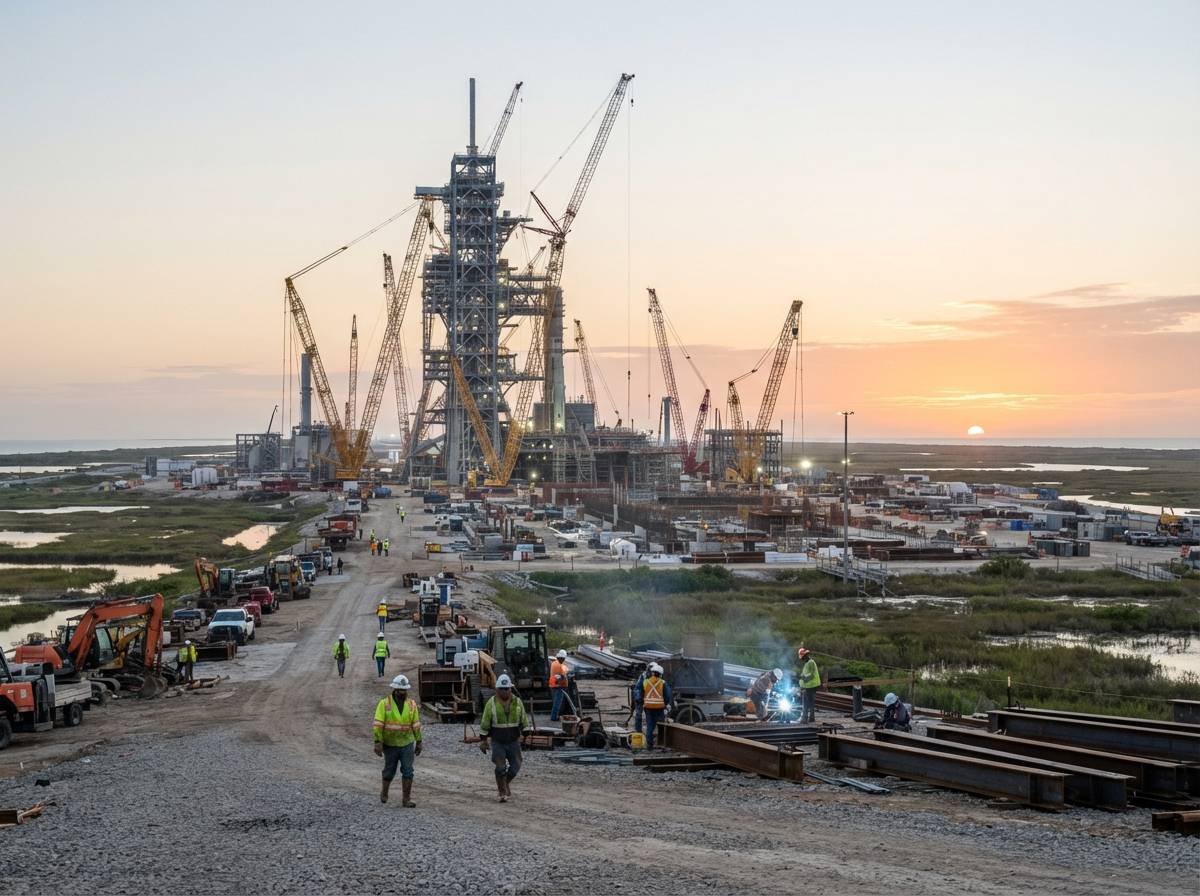
Meta Platforms (NASDAQ: META), the company behind Facebook, Instagram and WhatsApp, is pouring an eye watering sum into artificial intelligence infrastructure even as its stock slides. The plan to spend $125 billion to $145 billion on capital expenditures in 2026, nearly double last year's $72 billion, has investors questioning whether the payoff will match the price tag.
At a Glance
- Meta plans 2026 capex of $125 billion to $145 billion, up from $72 billion in the prior year
- First quarter ad revenue hit $55 billion, or 98% of total revenue
- Ad impressions rose 19% year over year, average ad price rose 12%
- Total revenue grew 33% year over year, the fastest pace since the third quarter of 2021
- Shares are down 15% in 2026 and off 29% from their record high
Why Meta Is Betting Big on Advertising AI
Mark Zuckerberg has laid out several AI priorities, from better content recommendations to business messaging and the Meta AI assistant. But the one that matters most to the balance sheet is advertising. On the first quarter earnings call, Zuckerberg described a vision where any business tells Meta its goal, such as selling a product or landing a new customer, along with what it is willing to pay per result, and Meta's systems handle the rest automatically.
He argued that if this works, AI driven productivity gains could push advertising into a meaningfully larger slice of global GDP than it occupies now. That ambition explains the capital spending surge. Meta is not diversifying away from advertising, it is trying to make its advertising engine so efficient that growth accelerates even further from an already massive base.
Valuation, Momentum and Yield for Meta Stock
The numbers show a company still growing fast but facing skepticism from the market. Meta's stock decline of 15% this year, and nearly 29% below its all time high, has compressed the price to earnings ratio even as earnings per share remain strong. That combination often shows up in a lower relative valuation and can push momentum indicators like the relative strength index (RSI) into territory suggesting the stock is oversold, reflecting how sentiment has turned more cautious than the underlying business results.
Meta does pay a dividend, a relatively new feature for the company, giving income focused investors a small offset to the share price weakness. Market capitalization remains in the hundreds of billions of dollars despite the pullback, reflecting the scale of the advertising business generating that $55 billion in quarterly revenue.
The bull case rests on execution: if Meta's AI investments keep lifting ad impressions and pricing power the way they did in the first quarter, when impressions climbed 19% and prices per ad rose 12%, the capex could look justified within a few years. The bear case is straightforward. Spending $135 billion in a single year is a massive bet, and if advertising growth cools or AI tools fail to deliver the promised efficiency, Meta's margins and cash flow could take a hit just as competitors like Google and TikTok's parent ByteDance keep pushing their own AI ad tools.
Can Meta's Ad Engine Justify the Spending?
Meta's 33% revenue growth in the first quarter was its fastest since late 2021, a sign the current strategy is working so far. Whether that pace holds through 2026, while capex nearly doubles, is the question hanging over the stock. Investors will be watching upcoming earnings reports closely to see if ad impressions and pricing continue climbing at a rate that supports the scale of investment Zuckerberg has committed to.