
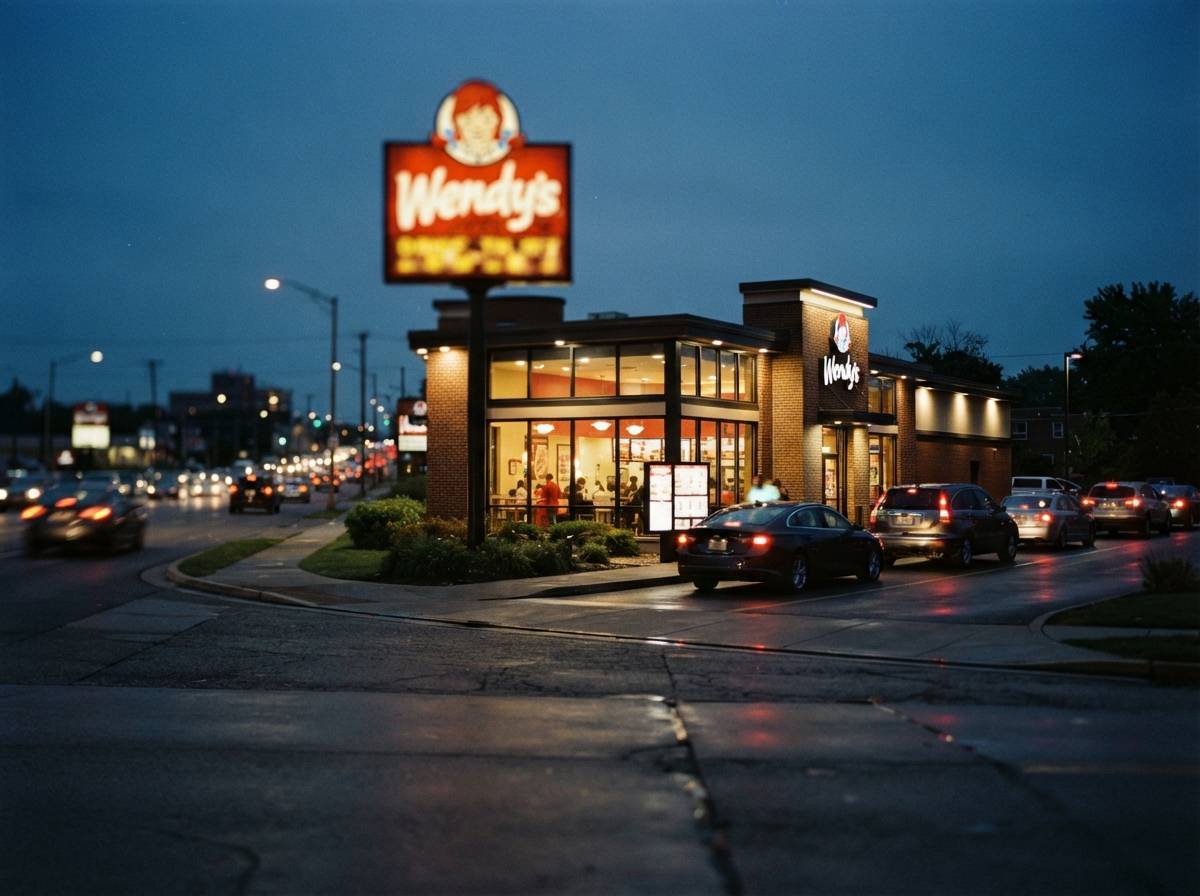
Nelson Peltz's Trian Fund Management is building a group to take Wendy's private, sparking a 15% stock jump amid a prolonged sales slide.
Nelson Peltz's Trian Fund Management is lining up investors for a bid to take Wendy's private, a move that sent the burger chain's shares as much as 15% higher on Wednesday before trading was briefly halted for volatility, according to a person familiar with the matter cited by Reuters.
Nelson Peltz's Trian Fund Management builds its consortium
Reuters reported that BlueFive Capital and Flynn Group, a long tenured Wendy's franchisee, could join Trian in the group pursuing the chain. A formal offer is expected within weeks, though the timeline could still shift. Trian owns 7.85% of Wendy's directly, while Peltz personally controls a 16.24% stake, based on regulatory filings. Wendy's market capitalization sits at roughly $1.44 billion. The company has said any proposal from Trian would be evaluated in keeping with its fiduciary obligations to shareholders.
This is not Trian's first run at owning Wendy's outright. The firm looked at a similar deal in 2022 and walked away. It returned to the idea in a February filing, calling Wendy's shares undervalued and confirming it had already sounded out financing partners for a possible acquisition or other large transaction.
Sales slump behind the urgency
Wendy's has been struggling for some time. Last week it slashed its quarterly dividend in half and pulled its full year guidance after disclosing that comparable U.S. restaurant sales dropped 7.0% in the second quarter from a year earlier, the sixth straight quarter of negative same store sales, according to CNBC. That prolonged decline has cost Wendy's its longstanding rank as the nation's second largest burger chain by system sales, a title now held by Restaurant Brands International's Burger King.
Bob Wright, installed as permanent president and CEO in May, has laid out a recovery plan built around a refreshed menu at sharper value, marketing meant to drive traffic, and stronger digital ordering tools. Wright previously guided Potbelly Corporation through a comparable going private transition. Trian's influence on Wendy's board remains intact through executive Peter May and Bradley Peltz, Nelson Peltz's son.
Wider fast food pressures shape the timing
The potential buyout arrives as fast food chains across the industry fight to hold onto budget minded customers, often by leaning harder on discounts and value deals. Wendy's has its own restructuring effort underway, called Fresh Start, aimed at boosting domestic sales, updating its menu and shutting down its weakest performing locations. Separately, the chain has signed a franchise agreement calling for up to 1,000 new restaurants across China over the next decade.
What a going private deal would mean for valuation, momentum and yield
Wendy's roughly $1.44 billion market value reflects a stock that has been battered by six straight quarters of falling same store sales and a dividend cut. The bull case rests on Trian's own argument, made in February, that shares are undervalued relative to the brand's turnaround potential under Wright's new leadership and the China expansion deal already in place. A buyout at a premium would reward shareholders who have watched the dividend shrink and sales slide.
The bear case is just as direct. Wendy's has lost ground to Burger King in system sales, guidance has been withdrawn, and the broader fast food category is locked in a price war that squeezes margins even as it draws in customers. Trian abandoned a similar deal in 2022, so there is no guarantee this attempt reaches a signed agreement rather than another exploratory pass.