Oil rises above water as Iran tensions over the Strait of Hormuz push Brent near $90 and WTI up 1.8%, ahead of key US inflation data.
Oil rises above water as tensions between Washington and Tehran keep the Strait of Hormuz standoff simmering, with Brent crude briefly topping 90 dollars a barrel Tuesday before easing back and West Texas Intermediate futures climbing 1.8 percent to 83.62 dollars.
At a Glance
- Brent crude touched 90 dollars a barrel before retreating
- WTI futures rose 1.8 percent to 83.62 dollars
- Iran says it is negotiating with Oman over reopening the Strait of Hormuz
- 10 year Treasury yield climbed above 4.7 percent
- US inflation data due this week, with CPI Wednesday and PPI Thursday
Why Oil Rises Above Water on This Standoff
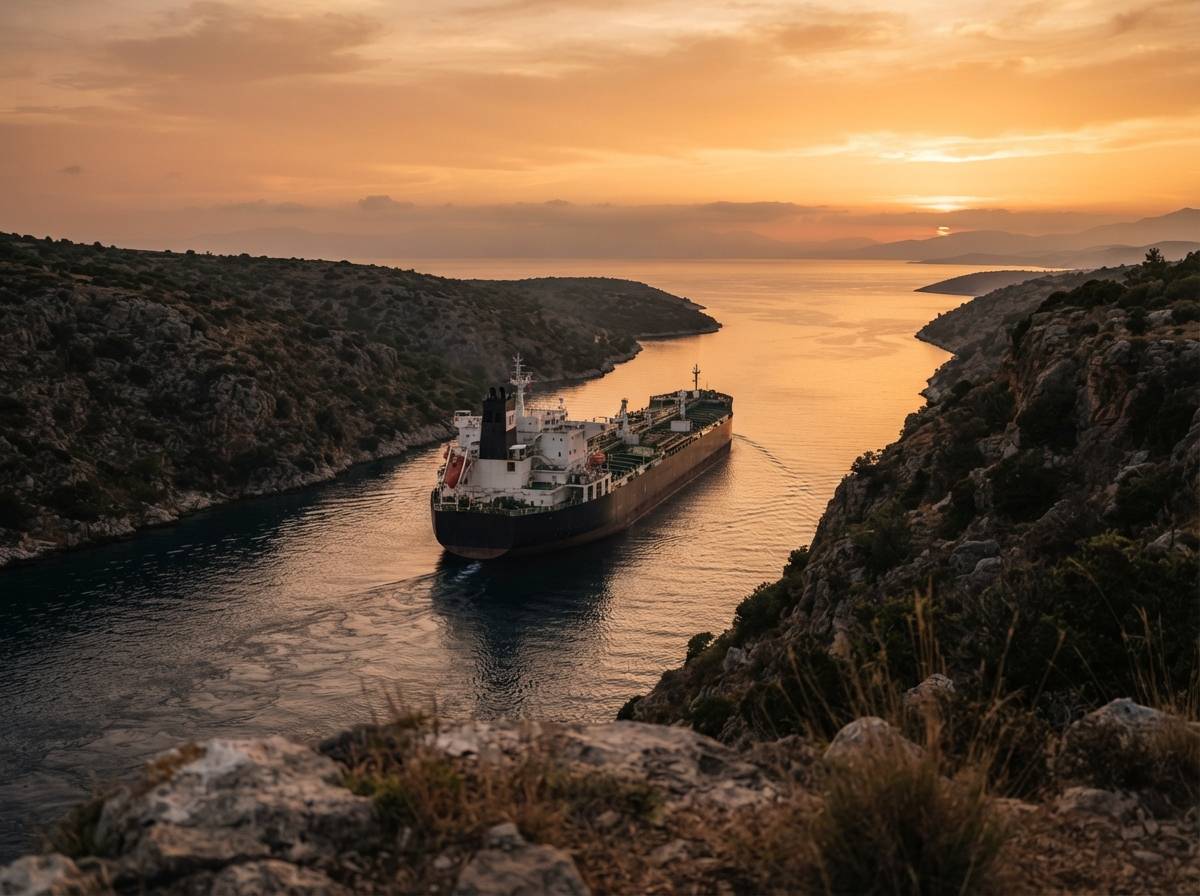
The immediate driver is geopolitical risk rather than any sudden supply shock. Iran's foreign minister, Abbas Araghchi, said Sunday that talks with the United States remain off the table until Washington addresses what Tehran calls breaches of a June memorandum of understanding, according to Iran's Tasnim News Agency. President Trump answered Monday with fresh demands, calling for Iran to pay compensation tied to deaths from the conflict and related protests, a stance reported by The Wall Street Journal. Iran, meanwhile, says it is pursuing a separate arrangement with Oman to reopen the Strait of Hormuz, a waterway that carries a large share of the world's seaborne oil.
Markets Shrug, For Now
Equity futures barely blinked. E-Mini S&P 500 futures, tracked by the SPY ETF, gained 0.22 percent, Nasdaq 100 futures, tracked by QQQ, rose 0.46 percent, and Dow futures, tracked by DIA, added 56 points. Crude oil exposure through the USO ETF reflects the same upward pressure seen in Brent and WTI pricing. Trading volume on Monday was among the thinnest of the year, a sign that investors are waiting for clearer signals before committing capital.
Quick Facts
- Brent crude: briefly near 90 dollars a barrel
- WTI: up 1.8 percent to 83.62 dollars
- 10 year Treasury yield: above 4.7 percent, near its 2026 high
- Kospi: up 0.73 percent; Hang Seng: down 1.03 percent
Inflation Data and the Fed's Balancing Act
Rising energy costs are complicating an already tricky moment for the Federal Reserve. The central bank is trying to weigh softening hiring trends against the risk that higher fuel prices reignite inflation. The July consumer price index arrives Wednesday, followed by the producer price index Thursday, and both will shape how policymakers read the current mix of slowing job growth and firmer commodity costs. The 10 year Treasury yield's move above 4.7 percent, close to its 2026 peak, shows bond investors are already pricing in some of that inflation anxiety.
Global Markets React Unevenly
Asian trading was mixed overnight. South Korea's Kospi closed 0.73 percent higher and Australia's S&P/ASX 200 added 0.19 percent, while Hong Kong's Hang Seng fell 1.03 percent and mainland China's CSI 300 dropped 0.79 percent. Japanese markets were shut for a holiday. In Europe, London's FTSE 100, France's CAC 40, and Germany's DAX all opened lower, suggesting some investors abroad are more rattled by the standoff than their US counterparts.
What Happens Next With Oil Prices
Whether Iran and the United States find a path back to talks, or whether the Oman brokered arrangement over the Strait of Hormuz gains traction, will likely determine if crude keeps pushing higher or settles back down as this week's inflation reports land.
Frequently Asked Questions
Why oil rising?
Oil prices are climbing because of renewed geopolitical tension between the United States and Iran over the Strait of Hormuz, a key global shipping route for crude, with Tehran refusing direct talks with Washington.
Why is oil above water?
In this context, oil rising above water refers to prices climbing, not a physical property. Brent crude briefly traded near 90 dollars a barrel amid the standoff, though separately, crude oil as a liquid is less dense than water and does float on it.
Does oil rise over water?
Physically, yes: crude oil is less dense than water, so spilled oil floats on the surface rather than sinking.
Does oil rise above water?
Yes, both literally and in market terms this week: oil floats above water due to density differences, and oil prices have risen above recent trading levels amid the Iran standoff.
Will oil continue to rise?
That depends on whether the Iran and Oman talks over the Strait of Hormuz produce a resolution and how this week's US inflation data influence expectations for the Federal Reserve; no one can say with certainty which way prices head next.