OPEC+ plans another August output hike as Brent crude nears 72 dollars a barrel, with Iraq pressing for higher quotas and supply still rebuilding.
Crude oil, tracked for investors through the USO exchange traded fund, has slid back toward prewar levels as OPEC+ prepares to add even more barrels to a market that is already digesting a reopened Strait of Hormuz. Brent crude traded near 72 dollars a barrel on Friday, well off the recent peak above 120 dollars, and OPEC+ sources say the group is set to approve another output increase of 188,000 barrels per day starting in August.
At a Glance
- Brent crude near 72 dollars a barrel, down from over 120 dollars at the war peak
- OPEC+ expected to raise August quotas by 188,000 barrels per day
- Seven core producers have added almost 800,000 barrels per day since April
- OPEC+ output fell to 33.13 million barrels per day in May from 42.77 million in February
- Remaining 1.65 million barrel per day cut could be fully unwound by end of September
Why OPEC+ Keeps Adding Barrels
Saudi Arabia, Russia, Iraq, Kuwait, Algeria, Kazakhstan and Oman are unwinding a supply cut first agreed in 2023, back when the United Arab Emirates was still part of the arrangement. The UAE left the group in late April, wanting more freedom to pump closer to its actual capacity rather than stay bound by shared quota limits. Accounting for that exit, the remaining seven have roughly 379,000 barrels per day of the original cut still to restore. If they keep increasing output at the current pace, that unwind finishes by the end of September.
The War's Lingering Mark on Output
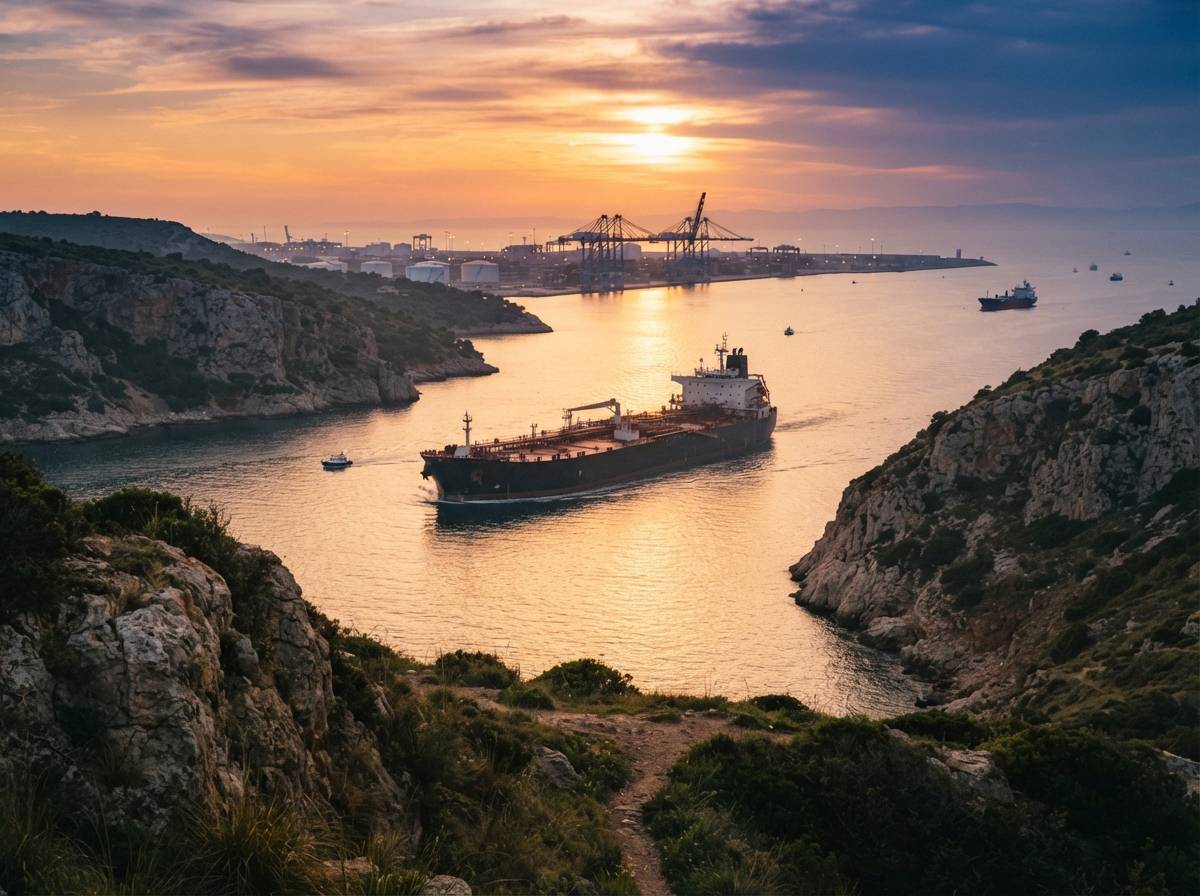
The math looks straightforward on paper, but the U.S. and Israeli conflict with Iran temporarily undid it. Closure of the Strait of Hormuz choked off tanker traffic for some of OPEC's biggest members, including Saudi Arabia, Kuwait and Iraq, dragging group output down to 33.13 million barrels per day in May from 42.77 million in February. Production only started climbing again in June, aided by U.S. efforts to help the UAE and other members restore export volumes. Even so, output remains below where it stood before the war began.
<]>Prices Fall Even as Supply Stays Tight
What's notable is that oil prices have recovered to prewar territory despite the Strait of Hormuz disruption. Weaker Chinese import demand, rising exports from producers outside the Middle East, and a coordinated release of strategic reserves organized through the International Energy Agency have all weighed on prices. A memorandum ending the war has also reassured traders that supply will normalize, which has taken some of the risk premium out of the market. The dollar's moves and broader risk appetite, visible in equity proxies like SPY and QQQ, add another layer of context for how commodity traders are pricing global growth expectations right now.
Iraq's Push and the UAE's Exit Complicate the Picture
OPEC+ cohesion faces strain beyond Sunday's expected vote. Iraq has signaled it wants higher quotas for itself, a request that could test the group's willingness to hold the line on shared output discipline. The UAE's departure already showed that individual members are willing to break from the collective approach when it no longer suits their production ambitions.
What Happens After the Cuts Fully Unwind
Once the seven core producers finish restoring the 1.65 million barrel per day cut, likely by late September if the current pace holds, OPEC+ will face a fresh decision about whether to keep expanding output or hold steady. That choice will hinge on how much Chinese demand recovers, how quickly non Middle East exporters keep filling gaps, and whether Iraq's push for a bigger quota forces a broader renegotiation among the remaining members.