
From a 2003 startup to a trillion-dollar company, Tesla has reshaped the auto industry and is now pushing into autonomous driving and humanoid robotics.
A Company That Rewrote the Rulebook
Tesla, Inc. didn't just build electric cars — it forced an entire global industry to reconsider what a car company could be. Founded in 2003 and headquartered in Austin, Texas, Tesla went public on NASDAQ in June 2010 under the ticker TSLA. Today it sits at a market capitalization of $1.5 trillion, a figure that reflects not just what the company sells, but what investors believe it may become.

More Than an Automaker
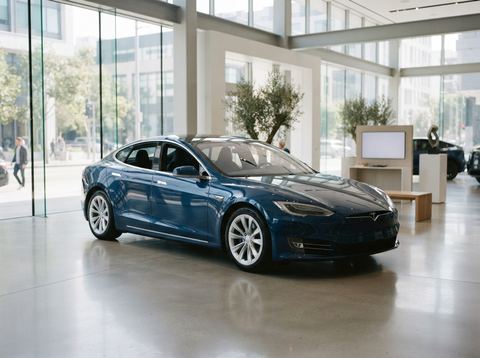
Tesla describes itself as a vertically integrated battery electric vehicle automaker and a developer of real-world artificial intelligence software. That dual identity matters. The vehicle lineup spans luxury and midsize sedans, crossover SUVs, a light truck, and a semi truck, with a sports car and a robotaxi service both in the pipeline. The company also sells battery systems for stationary energy storage — residential, commercial, and utility-scale — alongside solar panels and solar products.
Deliveries at Scale
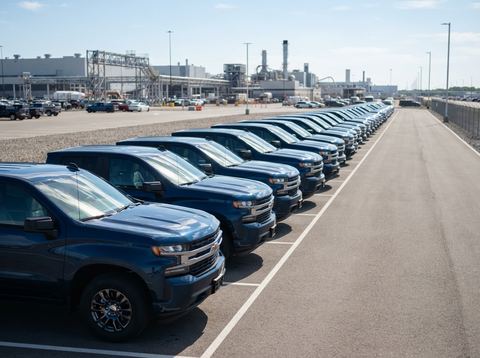
In 2025, Tesla delivered nearly 1.64 million vehicles globally. That volume puts the company firmly among the world's significant automakers by unit count, a remarkable place for a brand that didn't ship its first mass-market car until years after its founding.
The Revenue Picture
For fiscal year 2025, Tesla posted revenue of $94.8 billion. To put that in perspective, few American manufacturers of any kind clear that threshold. Over the stretch from FY2021 to FY2025, revenue grew 76% — growth that reflects both rising delivery volumes and expanding product lines.
What the Margins Say
Tesla earned a gross margin of 18.0% and a net margin of 4.1% in FY2025. Net income came in at $3.8 billion. These margins are tighter than some established automakers and far below what pure software companies post, which is part of what makes Tesla genuinely difficult to categorize — it carries the capital intensity of manufacturing alongside the ambitions of a technology firm.
Assets and Financial Footing
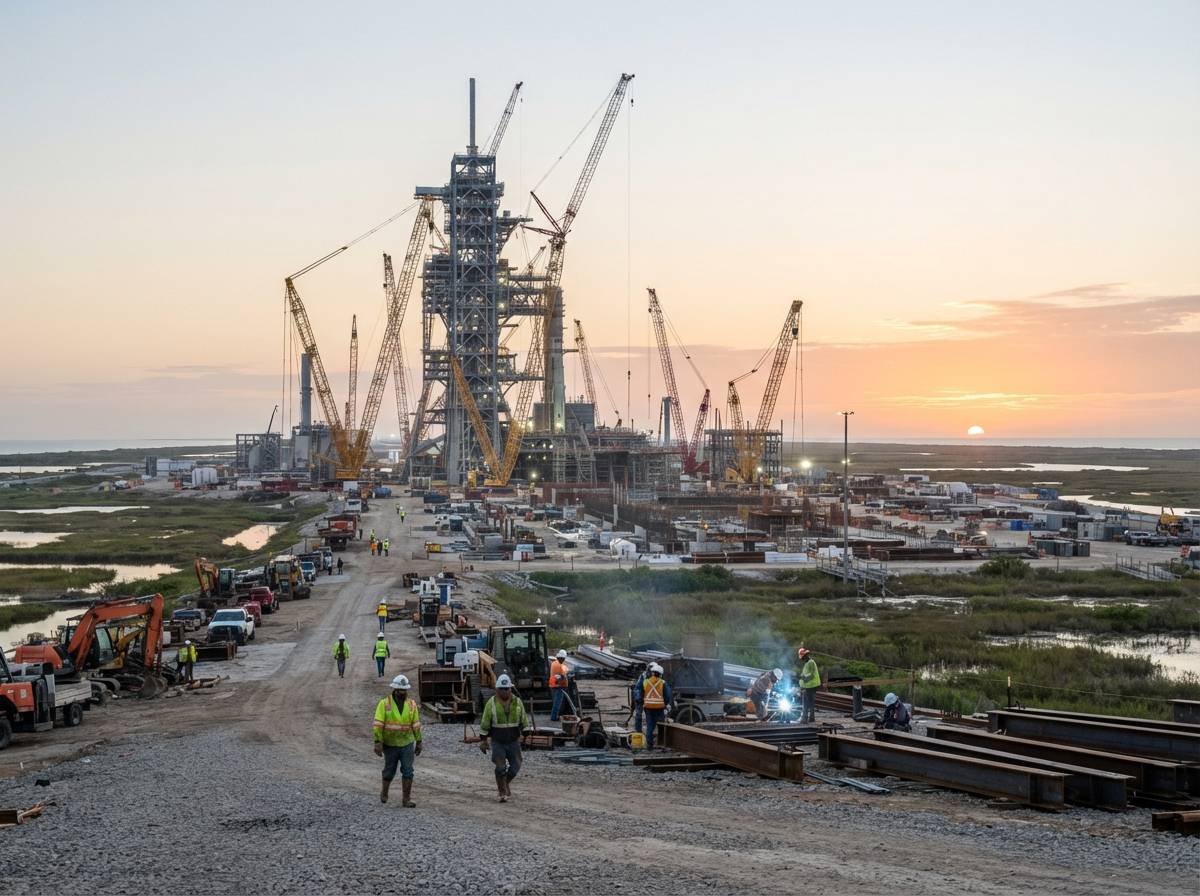
The company holds $137.8 billion in total assets, a balance sheet that supports its factories, energy products, and ongoing research into autonomous systems and humanoid robotics. Tesla's AI ambitions — including self-driving software and robot development — require sustained capital investment, and that asset base underpins those long-range bets.
A Valuation That Demands Attention
At a recent share price of $379.71 (15-minute delayed), Tesla trades at a price-to-earnings ratio of 351.6. That number is striking. Most mature automakers trade at single- or low-double-digit P/E ratios. Tesla's multiple signals that the market is pricing in substantial future growth — from autonomous driving, robotics, energy storage, or some combination — rather than valuing the company solely on today's earnings.
Below the 52-Week High
The stock currently trades 22% below its 52-week high, a reminder that even companies with trillion-dollar valuations experience meaningful price swings. Volatility is a consistent feature of Tesla's market history.
The People Behind the Products
Tesla employs approximately 134,785 people across its operations. Running factories, software teams, energy divisions, and service networks at this scale demands an enormous and diverse workforce — a human footprint that often gets lost behind the headlines about robots and autonomy.
What It All Adds Up To
Tesla is profitable, growing, and operating across vehicles, energy, and artificial intelligence simultaneously. Its financials reflect both the weight of manufacturing and the ambition of a technology company. Whether the company's current valuation proves prescient or premature is a question the market will answer over time — but the operational scale is already real.
This article is factual reporting drawn from public filings and market data, and is not intended as investment advice.