
A plain-English look at Alcoa's revenue, profit, and market value shows a century-old aluminum maker navigating a commodity-driven business.
A Name Older Than the Skyscraper
Long before aluminum became a fixture of modern life, Alcoa was there inventing the industry around it. Founded in 1888 and headquartered in Pittsburgh, Pennsylvania, the company launched the Hall-Heroult smelting process in the 1880s, the breakthrough that made aluminum affordable enough to use everywhere. That origin still shapes how the company operates today, even as it trades on public markets under a modern ownership structure.
What Alcoa Actually Does
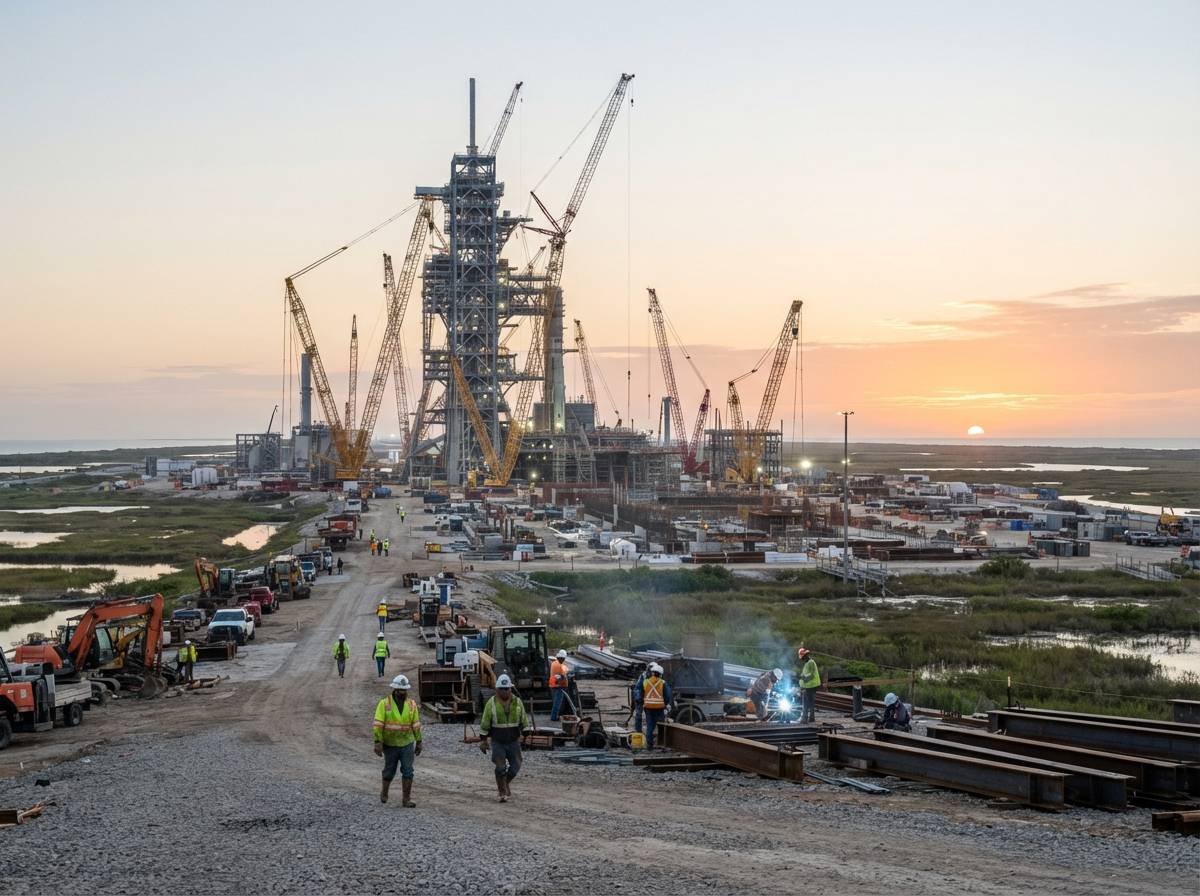
Alcoa is a vertically integrated aluminum company, meaning it controls multiple stages of the supply chain rather than just one. Its operations span bauxite mining, alumina refining, and manufacturing primary aluminum. It ranks among the world's largest bauxite miners and alumina refiners by production volume, though it sits outside the top ten aluminum producers overall, a list currently dominated by Chinese companies.
Tied to Commodity Prices
Because Alcoa's business runs through raw materials and refined metal, its profits move closely with prevailing prices across the aluminum supply chain. That's a different risk profile than a company selling branded consumer products, and it helps explain why results can shift from year to year based on market pricing rather than company-specific decisions alone.
Revenue at a Meaningful Scale
In fiscal year 2025, Alcoa generated $12.8 billion in revenue. That places it firmly among large industrial companies, reflecting the scale of a business that mines, refines, and smelts aluminum across a global operation. Revenue grew 6% from fiscal 2021 to fiscal 2025, a modest but real increase over that four-year stretch.
Turning a Profit
Alcoa reported net income of $1.2 billion in fiscal 2025, meaning the company was profitable for the year rather than operating at a loss. Profitability matters as a baseline signal of financial health, showing that revenue exceeded the costs of running a capital-intensive mining and manufacturing operation.
Assets on the Balance Sheet
The company holds $16.1 billion in total assets, a figure that captures the value of its mines, refineries, smelting facilities, and other holdings. For a company built around physical extraction and heavy industry, a substantial asset base is typical and reflects the infrastructure needed to run the business.
How the Market Values Alcoa
Alcoa's market capitalization stands at $19.0 billion, representing the total value investors currently place on the company's shares. Its stock, which trades on the New York Stock Exchange under the ticker AA, recently changed hands at $43.98, based on a 15-minute delayed quote. That price sits 48% below the stock's 52-week high, a gap that speaks to how much aluminum-sector valuations can swing over a year.
Earnings Multiple and Dividend
Alcoa currently trades at a price-to-earnings ratio of 10.1, a way of comparing its share price to its per-share profits. The company also pays a dividend yielding about 0.91% annually, a modest cash return to shareholders on top of any change in share price.
A Public Company Since 2016
While Alcoa's roots trace back to the 19th century and it first listed publicly in 1925, the current corporate entity had its IPO in October 2016. Today it employs approximately 14,900 people across its mining, refining, and smelting operations, classified within the Metal & Steel industry.
The Bottom Line
Alcoa is a large, profitable, century-old aluminum producer whose fortunes are closely linked to commodity markets rather than steady, predictable demand. This overview is factual reporting drawn from public filings and market data, not investment advice.