Nearly 1,700 UK investors are suing Binance and founder Changpeng Zhao for £150 million, alleging the exchange sold risky leveraged products without proper authorization.
Binance, the world's largest cryptocurrency exchange, faces a lawsuit from nearly 1,700 British investors seeking at least £150 million (about $200 million) over claims that the platform sold them risky leveraged derivative products without proper regulatory authorization in the United Kingdom.
At a Glance
- Claim size: at least £150 million ($200 million)
- Number of claimants: almost 1,700 UK investors
- Defendants: Binance Holdings, Nest Exchange, Changpeng Zhao and unnamed operators
- Legal venue: London High Court
- Alleged violation: Financial Services and Markets Act
What the Lawsuit Claims
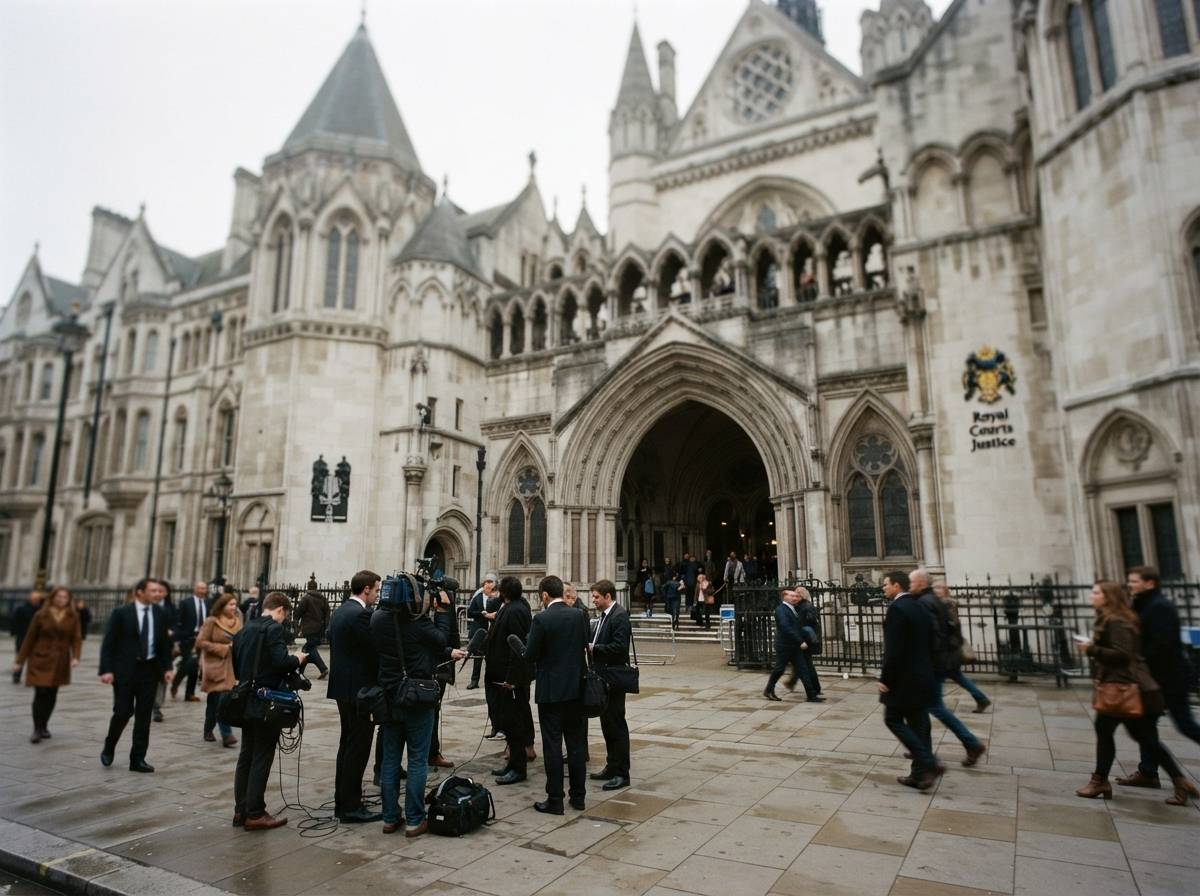
The case, filed in the London High Court, targets Binance Holdings (registered in the Cayman Islands), Nest Exchange (registered in the United Arab Emirates), founder Changpeng Zhao, known widely as CZ, and a group described in filings only as "persons unknown" who allegedly operate the Binance Trading Platform. The claimants argue that Binance entities knowingly marketed leveraged products, tools that can magnify both profits and losses, starting in late 2019. They say this was done without the authorization required under Britain's Financial Services and Markets Act, and that some investors lost tens of thousands of pounds as a result.
Binance has said it intends to fight the claim. A company spokesperson stated that the exchange remains committed to its obligations to users and to operating within applicable law, but declined to discuss the litigation in further detail.
Regulatory Pressure Has Been Building for Years
This lawsuit lands against a backdrop of tightening scrutiny from UK regulators. The Financial Conduct Authority barred crypto firms from offering derivative products to retail customers back in 2021, a move that pushed Binance to add extra verification steps for UK users trying to access its platform. Those restrictions came only after years of aggressive expansion by the exchange into retail trading products that regulators in multiple countries eventually deemed too risky for everyday investors.
Binance's regulatory footprint has continued to shift since then. Its primary operating license is now based in the United Arab Emirates, after an attempt to secure a license in Greece fell apart earlier this month. That pattern, chasing favorable jurisdictions while facing pushback elsewhere, has defined much of the company's recent history, including CZ's own guilty plea in the United States over anti money laundering failures.
Why This Matters for Crypto Investors
Leveraged trading products are among the riskiest instruments in the crypto space. They let traders control positions far larger than their actual capital, which means losses can pile up just as fast as gains, sometimes wiping out an account entirely during a single sharp price swing. Regulators singled these products out specifically because retail investors, without professional risk management, tend to underestimate how quickly leverage can turn against them.
Crypto markets remain notoriously volatile even without leverage involved, and legal actions like this one add another layer of uncertainty for exchanges operating across borders with inconsistent rules. A judgment against Binance could set a precedent affecting how other exchanges market derivative products to UK residents, and it could influence ongoing conversations among regulators worldwide about tightening oversight of crypto trading platforms.
Frequently Asked Questions
What are leveraged crypto products?
Leveraged products let traders borrow funds to open positions larger than their own capital, amplifying both potential gains and potential losses. They are considered high risk because losses can exceed the original investment in volatile markets.
Why did the FCA ban these products for retail traders?
Britain's Financial Conduct Authority ruled in 2021 that leveraged crypto derivatives were too risky for ordinary retail investors and banned crypto firms from offering them to that group.
Where is Binance currently licensed?
Binance's main operating license is based in the United Arab Emirates, after a bid to obtain a license in Greece collapsed earlier this month.
Has Binance responded to the lawsuit?
Yes. A Binance spokesperson said the company plans to defend itself and remains committed to operating according to applicable law, but did not comment further on the pending case.
What Comes Next
The London High Court case is only beginning, and litigation of this scale typically takes years to resolve. For now, the claim adds fresh legal exposure to an exchange already navigating a patchwork of global rules, and it gives UK investors a concrete test of whether courts will hold offshore crypto platforms accountable for products sold before clearer regulations took hold.