CoreWeave's earnings call detailed 112% revenue growth, a $104B backlog, and raised 2026 guidance amid heavy AI infrastructure spending.
CoreWeave's latest earnings call gave investors a clearer picture of just how much demand is chasing AI computing power right now. The company reported second quarter 2026 revenue of 2.6 billion dollars, up 112 percent from a year earlier, and told investors its backlog has swelled to 104 billion dollars, a number that excludes billions in fresh deals signed after the quarter closed.
In Brief
- Revenue climbed 112 percent year over year to 2.6 billion dollars, with backlog reaching 104 billion dollars.
- CoreWeave added nearly 500 megawatts of active power and spent 9.4 billion dollars on capital expenditures during the quarter.
- The company raised more than 18 billion dollars through debt, convertible securities and equity to fund expansion.
- Full year 2026 revenue guidance rose to 12.4 billion to 13.2 billion dollars.
- Managed inference annualized recurring revenue jumped from 1 million to more than 100 million dollars in just months.
What CoreWeave's Earnings Call Revealed About Demand
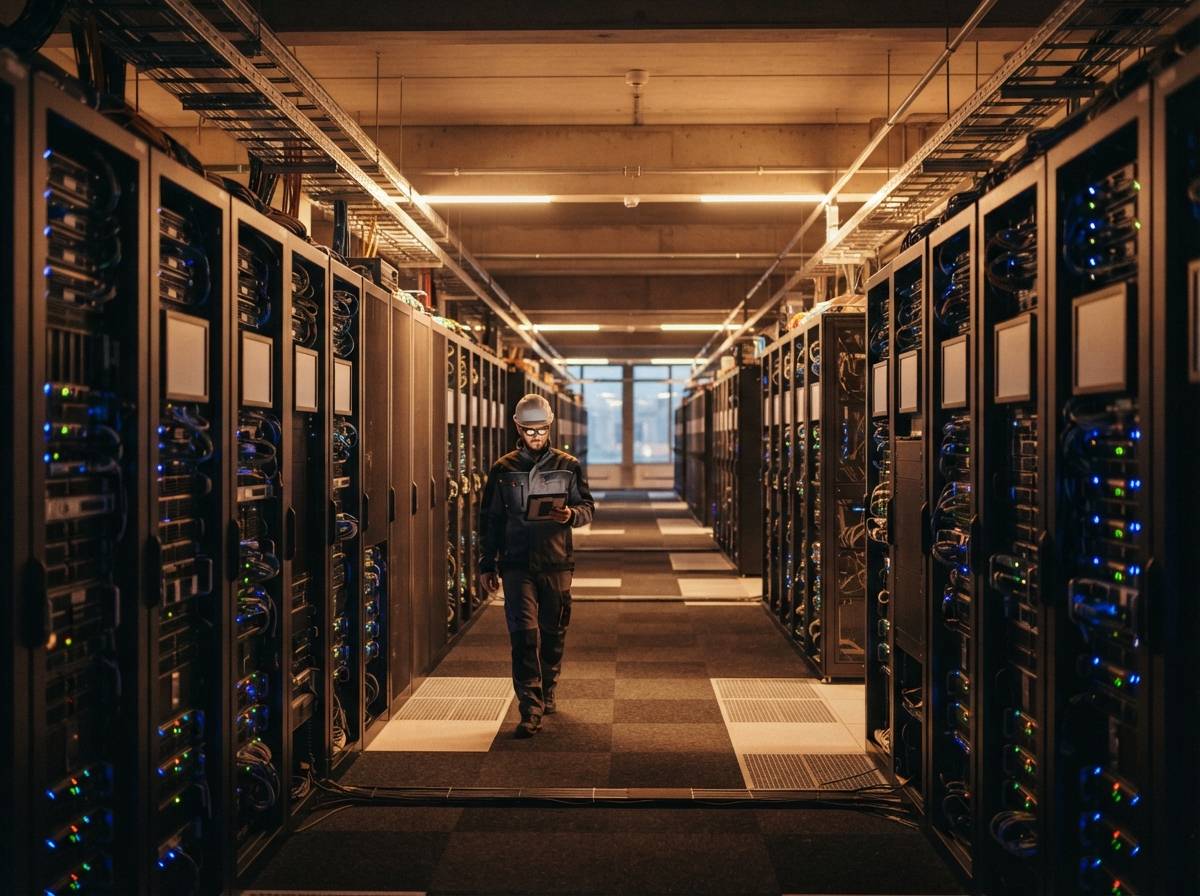
CoreWeave Chief Executive Mike Intrator used the CoreWeave earnings call to underscore a simple point: the company cannot build capacity fast enough to keep up with customer orders. He described near term capacity as effectively sold out, and said pricing and margins on Blackwell and Vera Rubin systems are hitting new highs. Even older generation systems are commanding prices at or above what they fetched years ago, which is unusual in a hardware business where equipment typically depreciates in value as it ages.
The backlog figure tells its own story. At 104 billion dollars, it grew 246 percent from a year earlier, and that total does not even include more than 25 billion dollars in new customer commitments signed in the first weeks of the third quarter. Intrator pointed to contracts signed in the second quarter carrying contribution margins 5 to 10 percentage points above recent quarters, a shift he attributed to strong demand and customers increasingly monetizing their own AI products.
Margins Improve While Losses Widen
Adjusted EBITDA reached 1.5 billion dollars, up sharply from 753 million dollars a year earlier, pushing the adjusted EBITDA margin to 59 percent. Adjusted operating income came in at 128 million dollars, an improvement from just 21 million dollars in the first quarter but still below the 200 million dollars posted a year ago. Adjusted operating margin landed at 5 percent.
The bottom line looked rougher. CoreWeave posted a net loss of 626 million dollars, wider than the 290 million dollar loss from the same quarter last year. Interest expense more than doubled to 640 million dollars from 267 million dollars, reflecting the debt load taken on to finance data center buildouts. Adjusted net loss came in at 567 million dollars versus 130 million dollars a year earlier. Chief Financial Officer Nitin Agrawal noted that margin expansion was visible even before a roughly 25 percent price increase across product categories took effect in July, and said the company is also passing along higher component costs to customers.
Power, Spending and the Race to Build
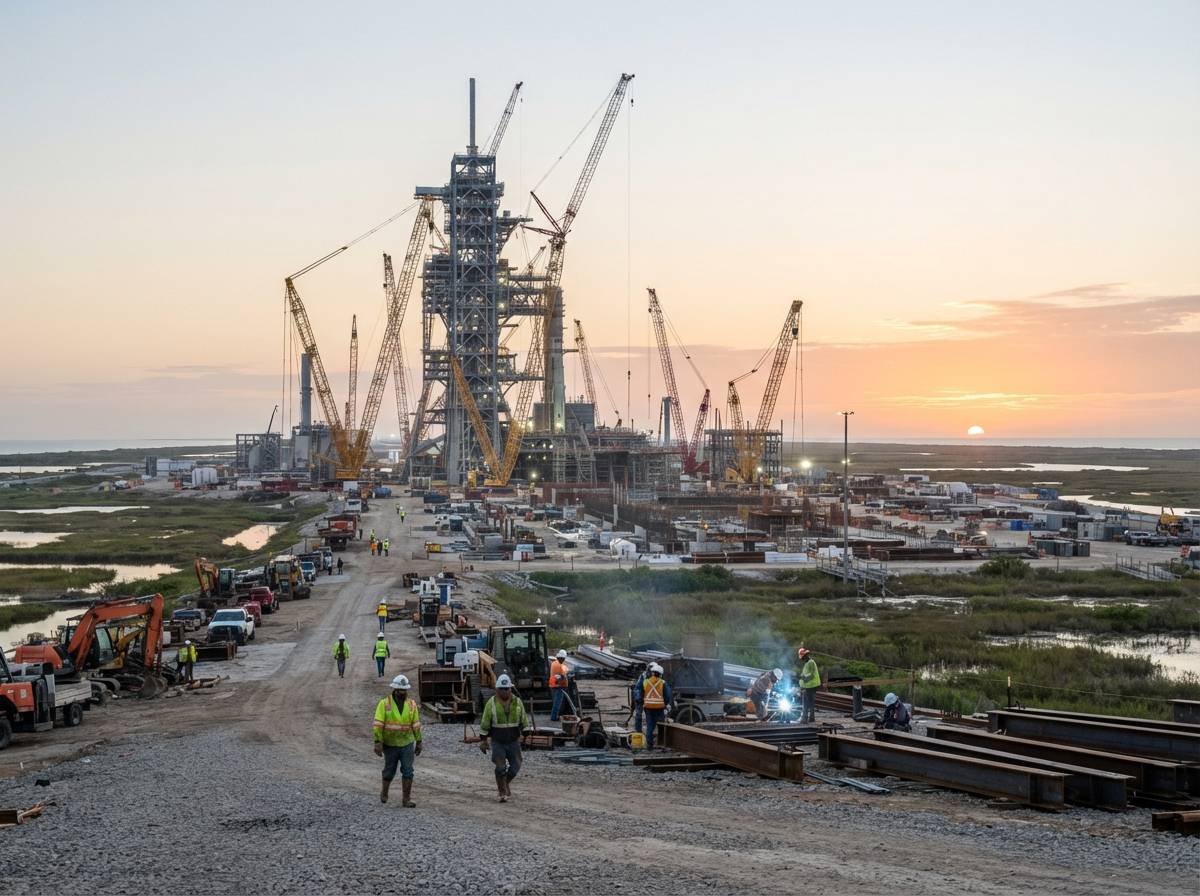
CoreWeave closed the quarter with 1.5 gigawatts of active power, after adding nearly 500 megawatts during the period, more than 300 megawatts of which came online in June alone. Contracted power stood at 3.7 gigawatts at quarter end and has since climbed to 4.2 gigawatts. The company said those numbers leave out more than 1.5 gigawatts of additional potential power tied to land holdings, site options and letters of intent. It has also locked in more than one gigawatt of power outside the United States, including 360 megawatts in Indonesia expected to come online in roughly 18 months.
Capital expenditures hit 9.4 billion dollars for the quarter, slightly above earlier guidance, as the company rushed to meet customer delivery timelines. Construction in progress rose to 11.9 billion dollars from 9.6 billion dollars in the prior quarter. Funding all of this required roughly 18 billion dollars raised through a mix of debt, convertible securities and equity. Agrawal said CoreWeave has now secured more than 32 billion dollars in debt and equity capital overall and has trimmed its weighted average cost of debt by nearly 300 basis points over the past year.
Beyond GPUs: Inference and New Guidance
Management spent part of the call detailing growth outside its core GPU rental business. Managed inference annualized recurring revenue jumped from just 1 million dollars to more than 100 million dollars in the months since launch, and the company expects to exit 2026 with at least 250 million dollars in that category. Broader non GPU offerings, including storage, CPU, networking and software, topped 400 million dollars in annualized recurring revenue for the quarter, products Agrawal said carry higher margins and encourage customers to consolidate spending with CoreWeave.
The company named Caterpillar, Isomorphic Labs, Flow Traders, IMC and Leidos as customers or partners spanning industrial AI, life sciences, financial services and government work. It also signed its first CoreWeave Omni agreement, expected to begin scaling in 2027, and said it became the first cloud provider to bring up and validate Nvidia's Vera Rubin NVL72 platform.
Looking ahead, CoreWeave raised year end active power guidance to more than 1.85 gigawatts, up from a prior target of 1.7 gigawatts. For the third quarter it projected revenue of 3.45 billion to 3.6 billion dollars, adjusted operating income of 200 million to 260 million dollars, interest expense of 860 million to 940 million dollars, and capital expenditures of 11.5 billion to 13.5 billion dollars. Full year revenue guidance now sits at 12.4 billion to 13.2 billion dollars, with adjusted operating income guided to 960 million to 1.15 billion dollars and capital expenditures expected between 35 billion and 39 billion dollars. Agrawal said adjusted operating margins should keep expanding each quarter, reaching the low teens by the fourth quarter, and management reiterated its target of at least 8 gigawatts of active power by 2030, a goal that will hinge on whether financing keeps pace with the enormous spending it demands.
Frequently Asked Questions
What is an earnings call?
An earnings call is a scheduled conference in which a public company's executives discuss quarterly financial results with analysts and investors, typically covering revenue, profit, guidance and strategic updates.
When coreweave report earnings?
CoreWeave reported its second quarter 2026 results, covering the period ending June 30, 2026, in early August 2026.
When is coreweave earnings call?
CoreWeave held its most recent earnings call in connection with its second quarter 2026 report, discussed by executives on August 11, 2026.
What happens on an earnings call?
Executives such as the CEO and CFO walk through financial results, explain drivers behind revenue and margins, share forward guidance, and then typically take questions from analysts covering the stock.
When is coreweave earnings release?
CoreWeave's second quarter 2026 earnings release accompanied its August 2026 call, with the next release expected alongside its third quarter results later in the year.