
A plain-English look at QXO's revenue surge, wide net loss, and market value as it works toward a decade-long growth target in building products distribution.
A Name Built on Ambition
Most people have never heard of QXO, Inc., but the Greenwich, Connecticut company is trying to change that by building itself into one of the largest distributors of building products in North America. Founded in 2002 and publicly traded since its March 2004 IPO, QXO now employs roughly 7,794 people and trades on the NYSE under the ticker QXO.
What the Company Actually Does
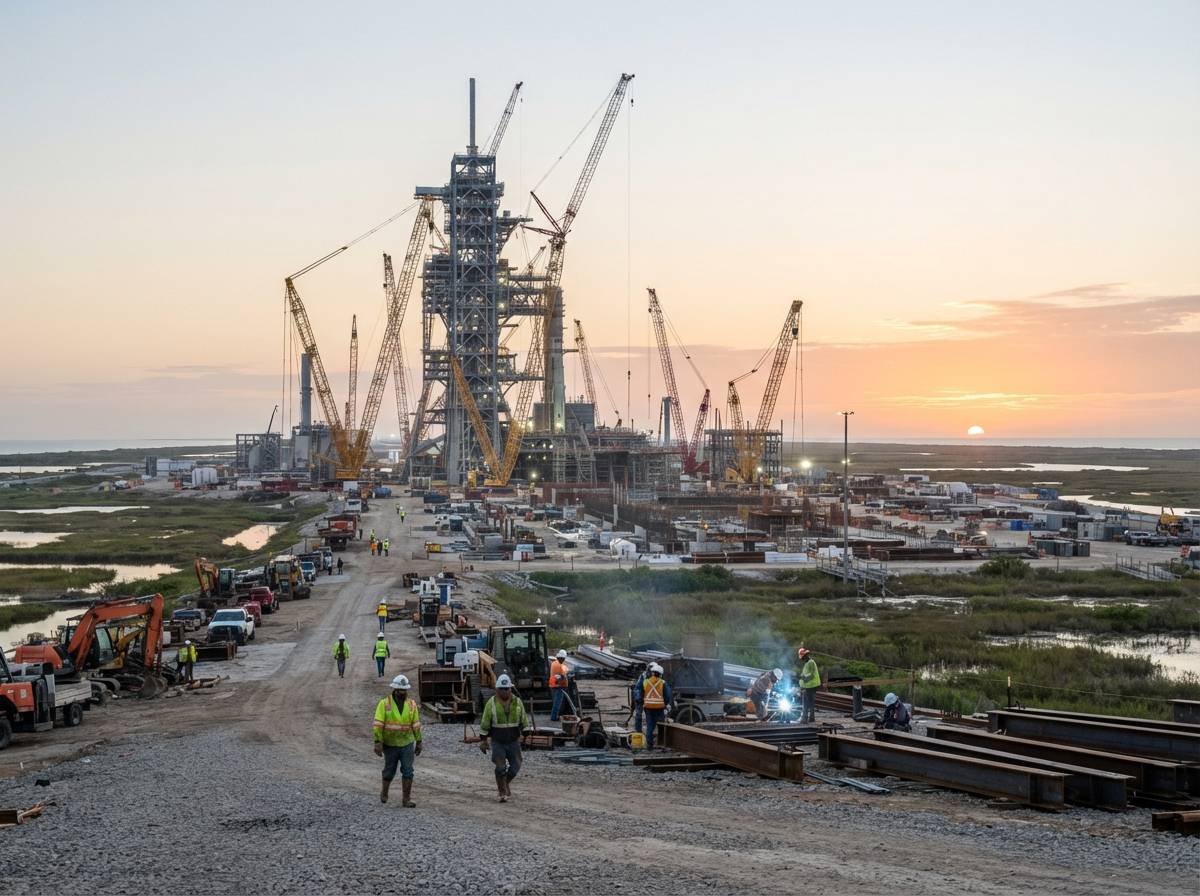
QXO distributes building products, the unglamorous but essential materials that go into homes, offices, and infrastructure. The company describes itself as working to become the tech-enabled leader in an industry it estimates is worth around $800 billion, aiming to reach nearly $50 billion in annual revenue within the next decade through acquisitions and organic growth.
Revenue That Jumped Overnight
The most striking number in QXO's recent results is growth: revenue climbed 11,931% from fiscal year 2024 to fiscal year 2025, landing at $6.8 billion for the year. A jump of that size almost always signals a major acquisition or business combination rather than steady, organic sales growth, and it shows just how quickly the company's scale has changed in a short period.
Putting $6.8 Billion in Context
For a company now generating $6.8 billion in annual revenue, QXO sits well below its own stated long-term target of nearly $50 billion. That gap illustrates how much runway management believes still exists in the building products distribution market, and how far the company would need to travel to reach the scale it has set as its goal.
The Bottom Line Is Still Red
Despite the revenue surge, QXO reported a net loss of $279.4 million for fiscal year 2025. Its net margin came in at -4.1%, meaning the company lost about four cents for every dollar of revenue after all expenses. Gross margin, a narrower measure of profitability before overhead and other costs, stood at 23.0%.
Why Growth and Losses Can Coexist
A company can post explosive revenue growth and still lose money, particularly when that growth comes from absorbing a large new business, integrating operations, or taking on new costs tied to acquisitions. QXO's numbers reflect a business in the middle of a significant transition rather than a settled, steady-state operation.
Balance Sheet Size and Market Value
QXO's total assets stand at $15.9 billion, giving a sense of the physical and financial resources the company controls, from inventory and facilities to other holdings. Its market capitalization, or the total value investors place on all outstanding shares, is $11.4 billion.
Where the Stock Stands Today
Shares recently traded at $14.40, a price that sits 47% below the stock's 52-week high. That gap between the recent price and the yearly peak reflects how much the market's valuation of the company has moved over the past year, though the reasons behind that swing aren't detailed in the available figures.
Sizing Up the Whole Picture
Taken together, QXO's numbers describe a company that has rapidly expanded its revenue base while still working through the costs and complexities of that expansion, all inside an industrial supplies sector tied closely to construction and building activity. The scale of its assets and market value suggest a company of real size, even as its profitability metrics show it has not yet turned that scale into consistent earnings.
A Note on This Report
This article is a factual summary drawn from public filings and market data, and it is not investment advice.