Strait of Hormuz oil flows have collapsed amid renewed US Iran strikes, pushing Brent crude above 84 dollars a barrel. Here's what's driving the shortage.
Oil prices are climbing again as the strait of Hormuz oil corridor, the narrow waterway that carries a fifth of the world's crude, sees traffic collapse under renewed US Iran fighting. Brent crude has jumped more than 8% over the past five days to trade above 84 dollars a barrel, and WTI has followed with a similar gain to top 79 dollars. The move comes as a brief ceasefire between Washington and Tehran unravels into a fifth straight day of strikes and retaliation.
At a Glance
- Brent crude is up over 8% in five days, trading above 84 dollars a barrel
- Hormuz oil flows have dropped to 3 million to 5 million barrels a day from roughly 10 million in early July
- The Gulf market is now short about 13.4 million barrels a day, according to Goldman Sachs
- The US Navy has redirected two commercial vessels since starting a new blockade Tuesday
- China had cut crude imports by 5 million barrels a day but may reverse course
How Flows Through the Strait Collapsed Again
For about a month, a preliminary US Iran agreement to halt hostilities let oil traffic rebuild. Flows through the strait rose to roughly half of prewar levels, while wider Persian Gulf shipments climbed near 80% of normal volumes. Prices eased and the global economy seemed to be entering an early recovery phase.
That changed fast. Once the memorandum of understanding signed on June 17 broke down, fighting resumed between US and Iranian forces, and the modest recovery in tanker traffic reversed within days, according to Goldman Sachs. Lu Ming Pang, vice president of gas and LNG research at Rystad Energy, said markets had counted on flows normalizing after the June agreement, but those hopes did not pan out once the latest round of escalation hit.
Why the Strait of Hormuz Oil Route Matters So Much
Before the war began, the strait handled about 20 million barrels a day of oil products, three quarters of it crude, making it the conduit for roughly a fifth of global oil trade. Flows sank close to zero in the earliest days of fighting before climbing back to about 10 million barrels a day by early July.
By July 15, that recovery had mostly evaporated. Goldman Sachs strategists led by Daan Struyven now put daily flows at just 3 million to 5 million barrels, with more losses likely. Combined with reduced Gulf output more broadly, the market is short 13.4 million barrels a day of oil that would normally move through the region.
Renewed Strikes and a Second Naval Blockade
US Central Command confirmed a new wave of strikes on Wednesday against Iranian military targets, explicitly aimed at limiting Tehran's capacity to threaten commercial shipping in the strait. It was the fifth consecutive day of American military action, with Iran continuing to hit back at US installations across the region.
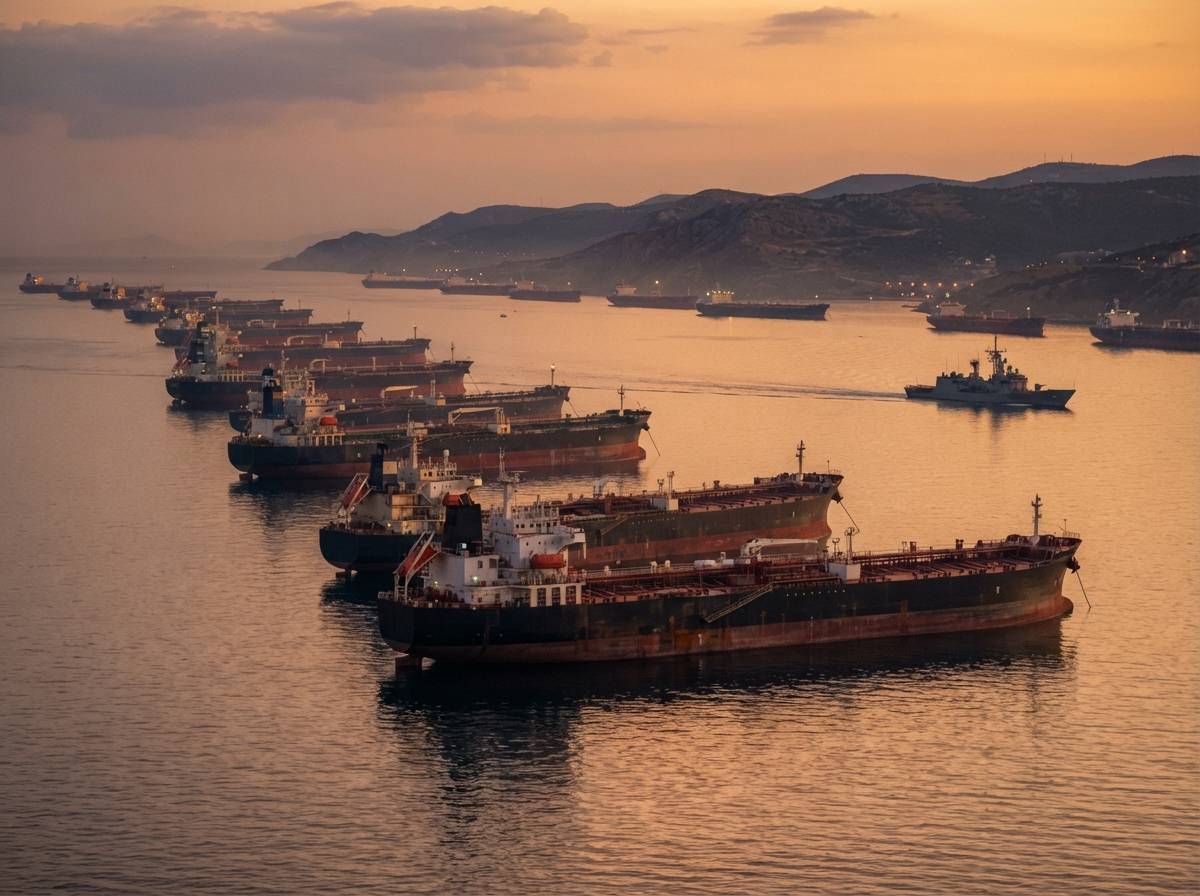
A second US naval blockade began at 4 p.m. ET Tuesday. Central Command says it has already turned away two commercial vessels attempting to pass through, even as the White House maintains the route remains technically open.
Quick Facts
- Brent crude: above 84 dollars a barrel, up over 8% in five days
- WTI crude: above 79 dollars a barrel, similar weekly gain
- Prewar Hormuz volume: about 20 million barrels a day
- Current flow: 3 million to 5 million barrels a day
- Market shortfall: 13.4 million barrels a day from the Gulf
Why This Recovery Could Take Longer
Goldman's strategists warn that rebuilding flows this time may prove harder. Inventories that cushioned the last disruption have thinned, meaning any recovery would likely need either demand destruction or fresh inventory draws to balance the market. Shipping companies remain wary of routes through Omani waters regardless of official assurances that passage is safe.
China, the world's biggest crude importer, had absorbed some of the shock by cutting its imports by 5 million barrels a day during the first phase of the conflict. That buffer may not last, since Gulf producers are cutting prices to compete and Beijing is reassessing how much crude it wants sitting in storage long term.
What Happens if the Strait Stays Unstable
Pang's assessment is blunt: as confidence in the safety of the strait keeps eroding, traders will need to price in the chance that supply disruptions drag on rather than resolve quickly. With five straight days of strikes and no fresh diplomatic breakthrough in sight, oil markets look likely to stay on edge, and further price swings should be expected if the corridor cannot reopen fully.
Frequently Asked Questions
Does strait of hormuz have oil?
The strait itself does not contain oil fields, but it is the shipping channel that carries crude and other oil products from Gulf producers to the rest of the world.
Does strait of hormuz produce oil?
No, the strait does not produce oil. Countries bordering the Gulf, including Saudi Arabia, Iran, the UAE and others, produce the crude, and roughly a fifth of global oil trade normally moves through this passage on its way to buyers.