Tesla stock fell despite a Q2 delivery beat. See how valuation, RSI momentum and $25 billion in AI spending shape the outlook.
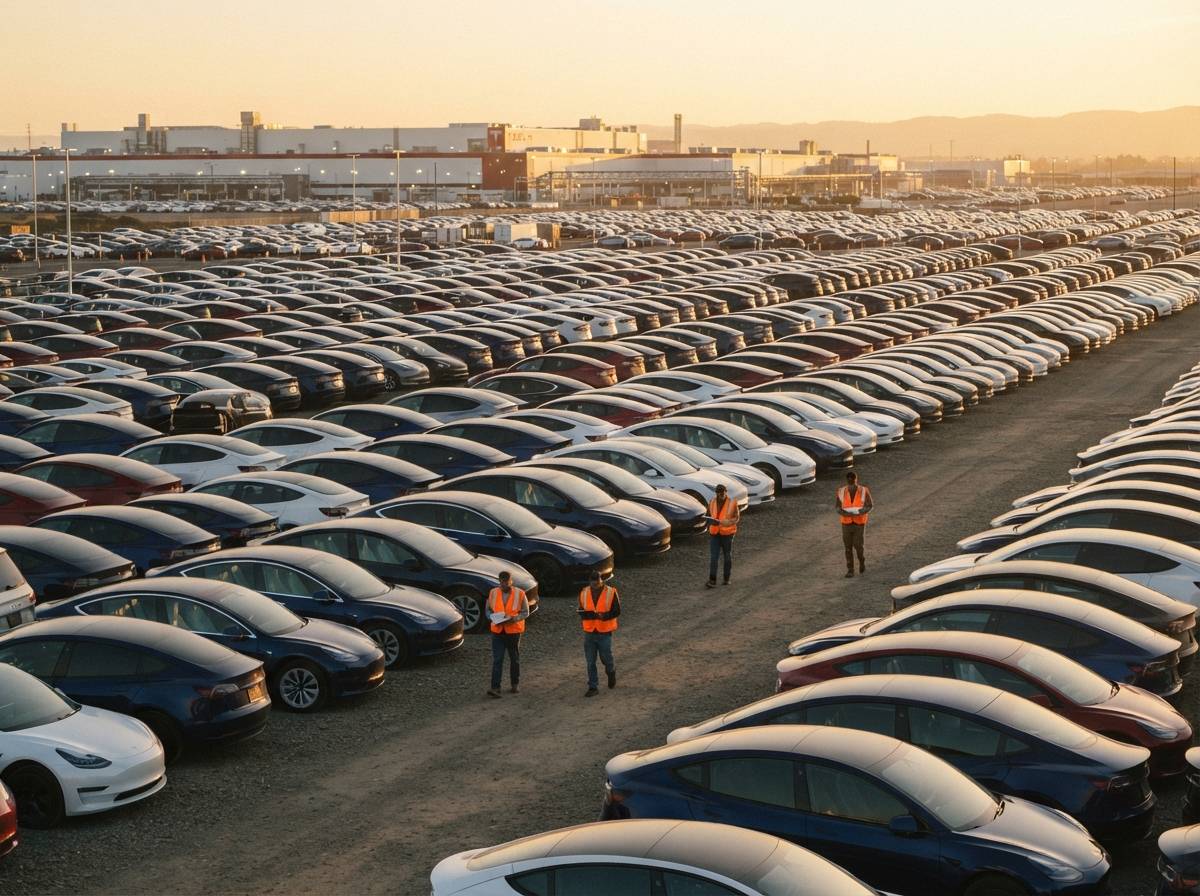
Tesla (NASDAQ:TSLA) makes electric vehicles, battery storage systems and is now pouring billions into robotics and self driving technology, and the company just posted a second quarter delivery number that beat Wall Street's estimate by a wide margin. Tesla delivered 480,126 vehicles worldwide, a 25% jump from a year earlier and well above the 396,466 units analysts had penciled in.
At a Glance
- Q2 global deliveries: 480,126 vehicles, up 25% year over year
- Wall Street had expected 396,466 vehicles
- BYD still led globally with 557,090 fully electric car sales
- Energy storage deployments hit 13.5 gigawatt hours, up 53% from the prior quarter
- Planned 2025 capital spending exceeds $25 billion, roughly triple last year's outlay
A Delivery Beat That Didn't Hold the Stock
The delivery figure suggests Tesla's core vehicle business still has some life left in it, even as global plug in car sales growth has cooled. CFRA Research analyst Garrett Nelson pointed to China and Europe as the likely drivers behind the upside surprise. Yet the market reaction was anything but a straight line higher. Shares initially popped on the news before reversing and falling as much as 3.5% in New York trading, a swing that came right on the heels of a four day rally that had already pushed the stock up more than 13%.
That kind of sell the news response often shows up when a stock has run hard into a catalyst and investors decide to lock in gains rather than chase it further. Tesla still trails BYD in the global EV race, and that gap is a reminder that competition for market share hasn't eased even as Tesla's own numbers improved.
What the Numbers Say
Tesla's valuation remains a sticking point for skeptics. The stock trades at a price to earnings multiple far above the broader auto industry and most large cap tech peers, a premium that only makes sense if investors believe the company's future lies in robotics and autonomy rather than car sales alone. Earnings per share have been under pressure as margins compressed through price cuts, and that gap between a rich P/E and a thinner EPS base is exactly what fuels the bear argument.
Momentum tells a mixed story too. The relative strength index cooled off after the stock's four day sprint, reflecting the kind of pullback that typically follows a sharp run rather than a change in the underlying trend. Tesla's 52 week range has been wide, capturing swings tied to delivery reports, regulatory headlines and Musk's public statements, and the stock's recent move sits well within that band rather than at either extreme. Tesla does not pay a dividend, so income seeking investors get no yield cushion here. The entire investment case rests on growth and story, not cash returned to shareholders.
The Bull Case Versus the Bear Case
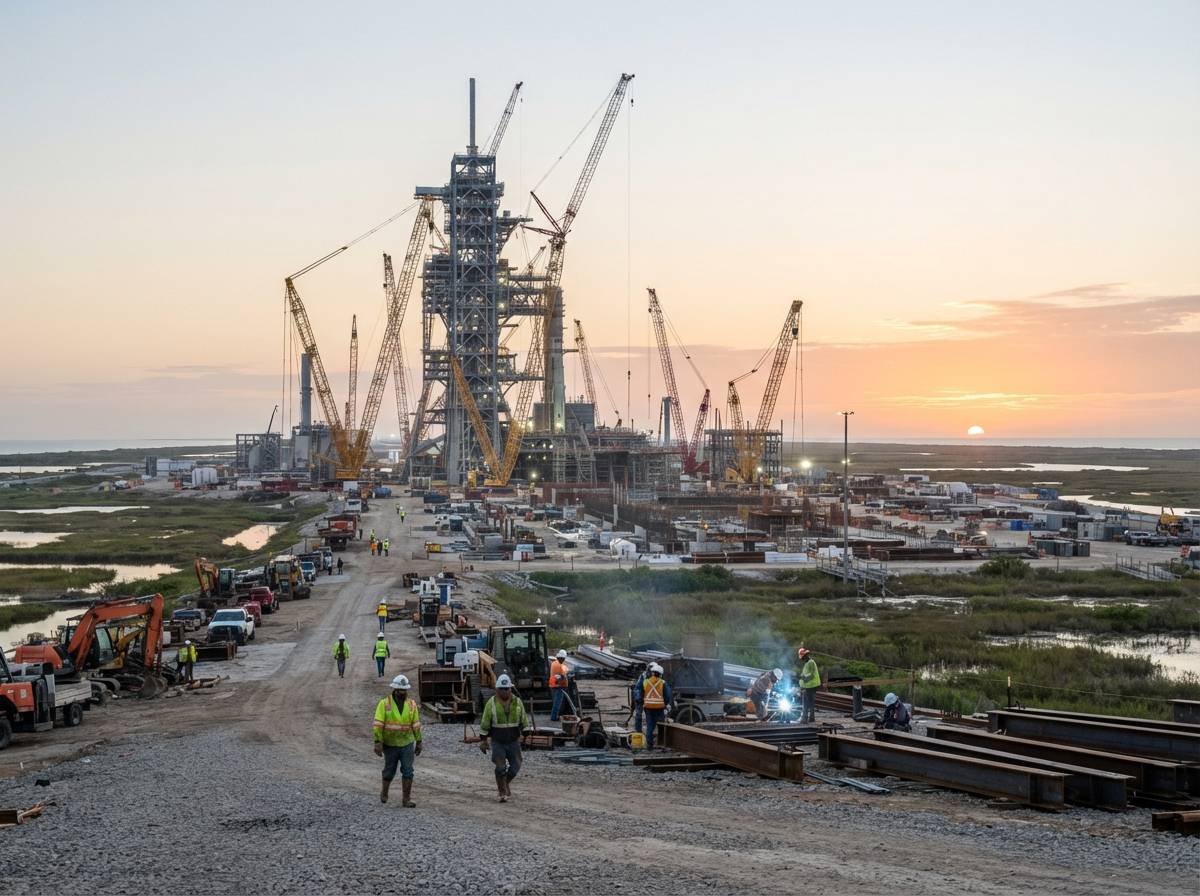
Bulls point to the energy storage business as an underappreciated growth engine. Deployments reached 13.5 gigawatt hours last quarter, up 53% from the first three months of the year, a rebound that shows Tesla's business lines beyond cars are scaling. Add to that the more than $25 billion in planned spending this year, roughly three times what the company spent last year, aimed at Optimus humanoid robots and autonomous Cybercabs, and bulls see a company positioning itself for markets far bigger than passenger vehicles.
Bears counter that this spending is unproven and expensive, and that Tesla is still fundamentally a car company being priced like something else entirely. BYD's continued lead in global EV sales undercuts the idea that Tesla has locked up the market it built its reputation on. With a rich valuation, no dividend and earnings that haven't kept pace with the stock's swings, the coming quarters will likely hinge on whether Musk's robotics and autonomy bets start showing revenue, or whether investors grow impatient waiting for that story to materialize.