Tesla stock reacts to record Q2 deliveries beating estimates. See what the numbers say about valuation, momentum and the road to July 22 earnings.
Tesla, the electric vehicle maker now betting its future on robotics and autonomous driving, has just handed investors a surprise: record second quarter deliveries that topped Wall Street forecasts and pointed to a rebound in its core car business after two rough years.
At a Glance
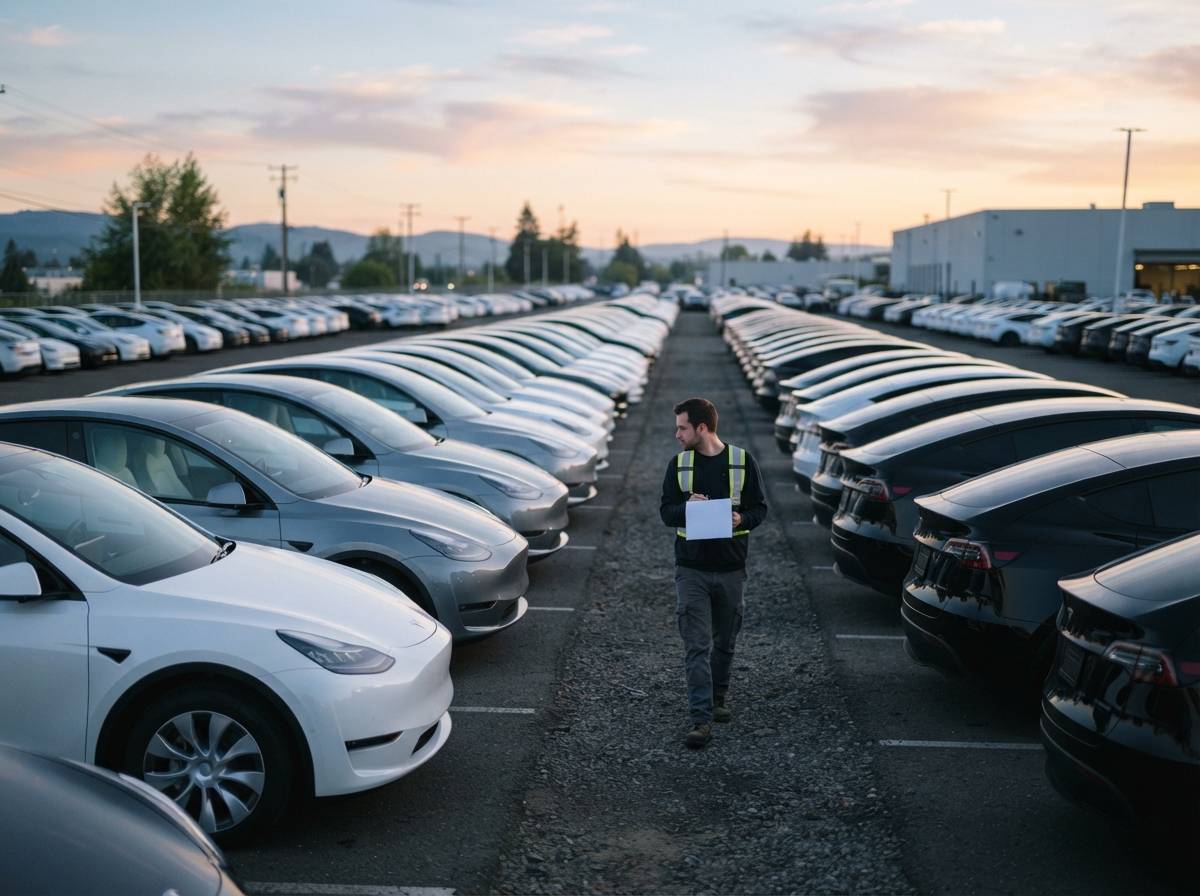
- Tesla delivered 480,126 vehicles in the April to June period, up about 25% year over year
- Production came in at 451,758 vehicles, so the company drew down inventory built up earlier in the year
- Shares rose less than 1% in premarket trading on the news
- Tesla carries a market cap near 1.6 trillion dollars, largely tied to bets on AI and autonomy
- Quarterly results are due July 22 after markets close
A Delivery Beat Rooted in a European Rebound
Analysts polled by Visible Alpha had expected roughly 402,776 deliveries. Tesla blew past that mark by nearly 80,000 vehicles, setting a new second quarter record. The gains came largely from Europe, where sales had slumped badly last year in what several analysts tied to brand fallout from CEO Elon Musk's political activity. That slump appears to be easing across a number of key European markets.
North America still lags. Demand there took a hit after the 7,500 dollar federal EV tax credit expired at the end of September, though the pace of decline seems to be leveling off. In China, refreshed Model Y production has helped lift sales even as BYD and other domestic rivals keep squeezing Tesla's share of that market.
Tesla's Full Self Driving software continues rolling out across a limited number of European countries, and analysts think wider availability in coming months could give sales another push. Meanwhile the company has started expanding robotaxi service beyond its initial Austin launch in June, with Musk pushing for a rapid buildout through 2026. The Cybercab, a purpose built autonomous vehicle with no steering wheel or pedals, is slated to ramp production later this year.
What the Numbers Say
Tesla's roughly 1.6 trillion dollar valuation leans heavily on businesses that barely register in current revenue: robotics, AI software and autonomous ride hailing. Vehicle sales still generate most of the top line, yet the stock trades as if cars are almost secondary. That gap between today's earnings and tomorrow's ambitions keeps Tesla's price to earnings ratio well above typical automaker multiples, a sign investors are pricing in years of growth from businesses that don't yet contribute much profit.
Momentum indicators reflect the market's mixed reaction. Shares barely budged after the delivery beat, rising less than 1% in premarket trading, which suggests much of the good news was already baked in or that traders remain cautious about how durable the European rebound is. Tesla doesn't pay a dividend, so income focused investors get no yield cushion here; the entire investment case rests on price appreciation tied to future growth.
The bull case centers on Europe's recovery holding up, FSD rollout widening, and robotaxi and Cybercab programs scaling on schedule. If those pieces come together, Tesla could justify its premium valuation through genuinely new revenue streams. The bear case is that North American demand stays soft without the tax credit, Chinese competition keeps eating into margins, and the timeline for autonomous vehicles and robotics slips, leaving the stock's lofty valuation resting on promises rather than results.
Frequently Asked Questions
Why did Tesla's stock barely move despite the delivery beat?
Investors have shifted their focus toward Tesla's longer term bets on autonomous driving, robotics and AI, so a strong quarter of car deliveries carries less weight on the stock than it once did.
When will Tesla report full second quarter earnings?
Tesla is scheduled to report quarterly results on July 22, after markets close.
What is driving Tesla's delivery recovery?
A rebound in European demand, alongside stabilizing sales in the United States and rising China made EV sales helped by the refreshed Model Y, all contributed to the record quarter.
Does Tesla pay a dividend?
No, Tesla does not currently pay a dividend to shareholders.
Looking Ahead to Earnings Day
The delivery numbers offer a hopeful signal for Tesla's car business, but the real test comes July 22 when the company details margins, profitability and progress on robotaxi expansion. Investors will be watching whether the European bounce has staying power and whether Musk's autonomy timeline can keep pace with the valuation riding on it.