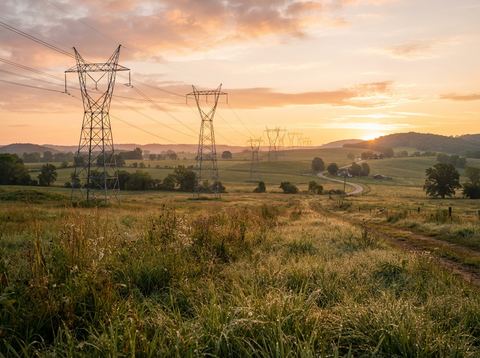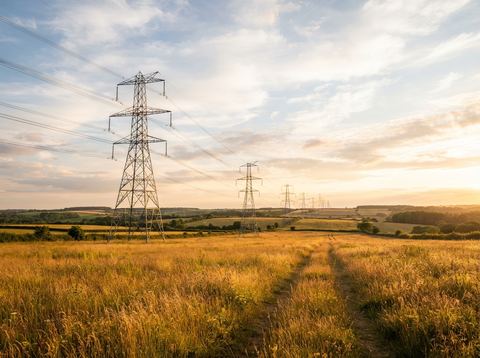

A look at eight independently verified American utilities companies — from electric power to midstream gas — and why domestic buyers keep close watch on them.
A Sector Nobody Notices Until It Fails
Flip a switch, turn a stove knob, or plug in a charger, and you're relying on an industry most people never think about. Utilities are the quiet infrastructure of American life, and the companies behind them run power plants, transmission lines, and gas systems that stretch across entire states.
What Utilities Companies Actually Do
The Utilities industry sits within the broader Energy & Utilities sector, and it covers a wide range of work: generating and delivering electricity, moving natural gas from wellhead to home, and operating the pipelines and compression stations that connect the two. The eight companies featured here, all independently verified in the directory, represent different slices of that chain.
Electric Power Across the Map
Several of these companies focus on electricity generation and delivery. AES Corp, headquartered in Arlington, Virginia and traded on the NYSE under AES, is one example. So is Alliant Energy Corp, based in Madison, Wisconsin and listed on the NASDAQ as LNT, and Ameren Corp, based in St. Louis, Missouri and trading on the NYSE as AEE.
Each of these firms is headquartered in a different part of the country, a reminder that electric utilities tend to serve defined regional footprints rather than compete nationally the way retail or tech companies do.
Gas and Midstream Infrastructure
Other companies in the group work further upstream in the gas supply chain. Antero Midstream Corp, based in Denver, Colorado and listed on the NYSE as AM, and Archrock, Inc., headquartered in Houston, Texas and trading as AROC, both operate in midstream infrastructure — the gathering, processing, and compression systems that move natural gas before it reaches a distribution utility.
Local Gas Distribution
Atmos Energy Corp, based in Dallas, Texas and trading on the NYSE under ATO, represents the distribution side of the gas business, delivering natural gas directly to end users.
Regional Roots, National Reach
Black Hills Corp /SD/, headquartered in Rapid City, South Dakota and listed as BKH, shows how utilities often carry the identity of the region they were built to serve. Meanwhile, Brookfield Infrastructure Corp, based in New York, New York and trading on the NYSE as BIPC, reflects the broader infrastructure-investment side of the sector, headquartered in one of the country's major financial centers.
Why Headquarters Still Matter
Unlike consumer brands, utilities can't relocate their core assets — a power plant or pipeline stays where it was built. That makes a company's headquarters and home state a meaningful signal of where its regulatory relationships, workforce, and physical infrastructure are actually rooted.
What Domestic Buyers Track
Businesses, municipalities, and everyday customers who depend on these companies often want to know more than just who provides their power or gas. Questions about Made-in-USA origin, U.S.-based support and labor, and warranty terms increasingly shape how buyers evaluate utility providers and their suppliers, which is why independent verification of company details matters.
Steady, if Unglamorous, Work
Utilities rarely make headlines the way flashier industries do, but the eight companies above illustrate the range of work — generation, distribution, and midstream infrastructure — that keeps the country's electricity and gas systems running every single day.