
A look at eight directory-verified American utilities companies and the essential, often invisible infrastructure they operate coast to coast.
The Grid Behind Everyday Life
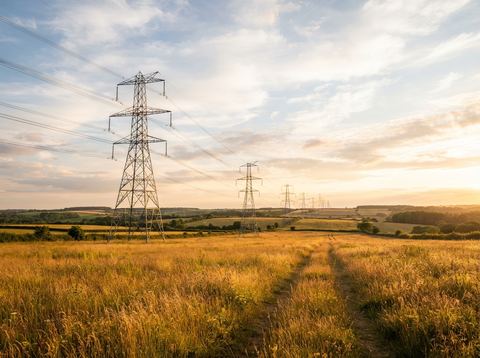
Flip a switch, turn a burner knob, or run the dishwasher, and you're relying on a vast, largely unseen network of wires, pipes, and compressor stations. The Utilities industry, part of the broader Energy & Utilities sector, is the business of keeping that network running. It's unglamorous work, but it's foundational to nearly every other industry in the country.
Why This Sector Gets Watched Closely
Utilities companies operate under close public and regulatory attention because their service is not optional for most households and businesses. Buyers, regulators, and communities alike track where these companies are based, how they're structured, and how they support the American workforce.
What These Companies Actually Do
The eight companies featured here, all independently verified in the directory, span the range of what "utility" means in modern America — from traditional electric and gas providers to the midstream infrastructure that moves energy from wellhead to end user.
Electric and Gas Providers
AES Corp, headquartered in Arlington, Virginia, trades on the NYSE under AES. Alliant Energy Corp, based in Madison, Wisconsin, trades on the NASDAQ as LNT. Ameren Corp, out of St. Louis, Missouri, is listed on the NYSE under AEE. Each represents a different corner of the country's electric and gas delivery footprint.

Midstream and Infrastructure Specialists
Not every utility company sells directly to a household. Antero Midstream Corp, based in Denver, Colorado, and listed as NYSE: AM, focuses on the midstream side of the energy chain — moving product rather than selling it at the meter. Archrock, Inc., headquartered in Houston, Texas, trades on the NYSE under AROC and plays a similar behind-the-scenes infrastructure role.
Regional Roots, National Reach
One notable feature of this sector is how tied each company remains to its home region, even while serving customers across state lines or supporting national energy flows.
From Texas to South Dakota
Atmos Energy Corp, based in Dallas, Texas, and listed as NYSE: ATO, anchors its operations in one of the country's largest energy-producing states. Black Hills Corp /SD/, headquartered in Rapid City, South Dakota, and trading under NYSE: BKH, reflects the sector's presence far from the coastal financial centers many assume dominate American energy.
A Global Infrastructure Player
Rounding out the group is Brookfield Infrastructure Corp, based in New York, New York, listed on the NYSE under BIPC — a reminder that utility and infrastructure investment in America increasingly draws capital and expertise from firms with a broader infrastructure mandate.
Why Domestic Buyers Pay Attention
For buyers and communities evaluating utility providers, the questions that matter most are often practical: Where is the company based? Does it support U.S. labor? What does the warranty or service commitment look like? The directory's approach — comparing Made-in-USA origin, U.S. support and labor, and warranty terms — gives a starting point for those comparisons.
Infrastructure as a Long-Term Bet
Utilities are not a sector built for quick turnarounds. Pipelines, substations, and compressor stations represent decades-long commitments, which is part of why company headquarters, listing exchanges, and operational footprints matter so much to those tracking the industry.
The Bottom Line
From Arlington to Rapid City, from Dallas to New York, the eight companies profiled here show the geographic and operational breadth of American utilities. Whether delivering electricity, moving gas through midstream systems, or managing broader infrastructure portfolios, each plays a role in a sector that, quite literally, keeps the country running.