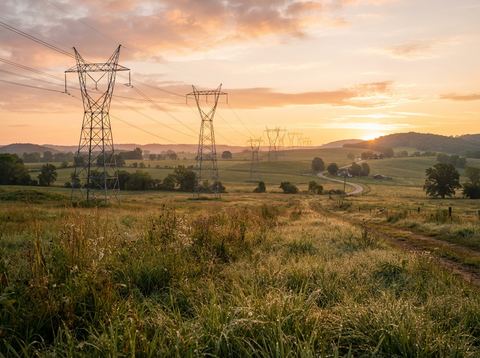


A look at the American utilities industry and eight independently verified companies from the directory that generate, deliver, and move the energy the country runs on.
The Grid Behind Everyday Life
Flip a switch, turn on a stove, or run a furnace, and there's a company somewhere upstream making that possible. Utilities are the quiet infrastructure of American life — unglamorous, essential, and almost never top of mind until something goes wrong. This sector, part of the broader Energy & Utilities category, spans companies that generate electricity, distribute natural gas, and move energy through the pipelines and wires that connect production to homes and businesses.
What This Sector Covers
The utilities label covers more ground than most people realize. Some companies here are traditional electric and gas utilities serving households directly. Others operate further upstream, handling the midstream infrastructure — pipelines, compression, and gathering systems — that gets energy from the wellhead to the grid.
Regulated Power and Gas
AES Corp, based in Arlington, Virginia, and Alliant Energy Corp, headquartered in Madison, Wisconsin, represent the regulated utility side of the business. Ameren Corp, out of St. Louis, Missouri, and Atmos Energy Corp, based in Dallas, Texas, likewise deliver electricity or natural gas under state oversight. Black Hills Corp /SD/, headquartered in Rapid City, South Dakota, rounds out this group of regional providers.
Midstream and Infrastructure
Not every company in this space sells power directly to consumers. Antero Midstream Corp, based in Denver, Colorado, and Archrock, Inc., headquartered in Houston, Texas, work in the midstream segment — the pipes, compression stations, and gathering networks that move natural gas and related products before they ever reach a meter. Brookfield Infrastructure Corp, based in New York, New York, adds a broader infrastructure footprint to the mix.
Why Location Still Matters
Utilities are inherently local businesses, even when their parent companies are large and publicly traded. A company based in Rapid City or Madison is often deeply tied to the regional grid and regulatory environment it serves. That geographic anchor — Arlington, St. Louis, Dallas, Houston, Denver, New York — shapes how each company operates and who it answers to.
Public Markets, Public Accountability
Every company named here trades on a major U.S. exchange, whether the NYSE or NASDAQ. That public listing means quarterly disclosures, audited financials, and a level of scrutiny that private utilities don't face. For a sector that touches nearly every household, that transparency carries weight.
Why Buyers and Communities Pay Attention
Utilities sit at an unusual intersection: they're regulated monopolies in many territories, yet they're also publicly traded companies competing for capital. That combination makes them worth tracking for reasons beyond a monthly bill. Reliability, infrastructure investment, and service territory all matter to the households, businesses, and municipalities that depend on these companies daily.
Made-in-USA and Domestic Roots
This directory verifies Made-in-USA origin, U.S. support and labor, and warranty terms for companies across categories, and utilities are no exception. Because these companies operate physical infrastructure — power plants, pipelines, distribution lines — inside U.S. borders, their domestic footprint is baked into the business itself.
A Sector Worth Watching
From regulated electric providers to midstream pipeline operators, the eight companies profiled here — AES Corp, Alliant Energy Corp, Ameren Corp, Antero Midstream Corp, Archrock, Inc., Atmos Energy Corp, Black Hills Corp /SD/, and Brookfield Infrastructure Corp — illustrate the range within American utilities. None of them is ranked above another here; each simply represents a different piece of the infrastructure puzzle that keeps the country running.
The Bottom Line
Utilities rarely make headlines for excitement, but they underpin nearly everything else in the economy. Understanding who operates the plants, pipelines, and distribution networks — and where they're based — gives everyday consumers and business buyers a clearer picture of the infrastructure they rely on every day.