Berkshire Hathaway's billion dollar Taylor Morrison deal faces a July 22 vote, testing new CEO Greg Abel's strategy against Buffett's legacy approach.
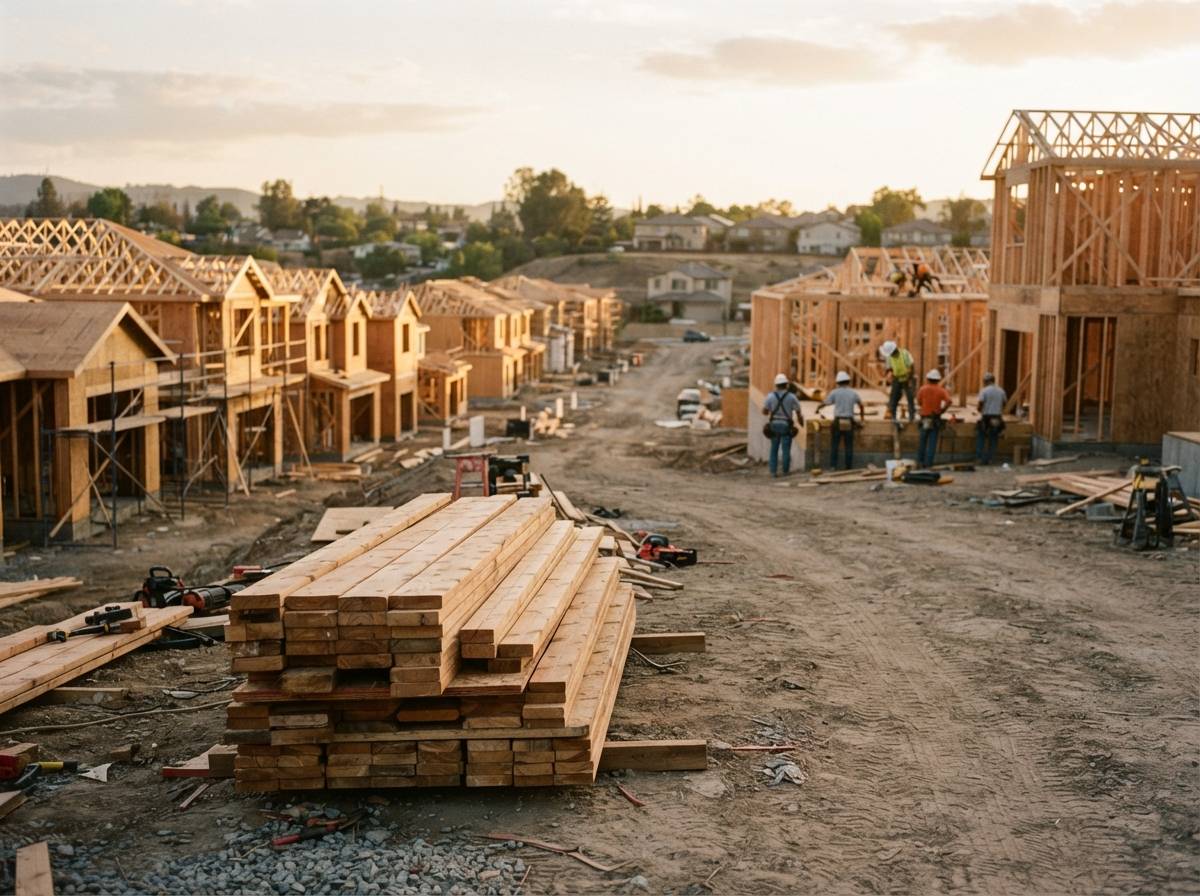
Berkshire Hathaway (NYSE: BRK.A, NYSE: BRK.B), the sprawling insurance, railroad and industrial conglomerate now run by Greg Abel, faces its first real test as a dealmaker: an $8.5 billion Berkshire Hathaway billion dollar bet on homebuilder Taylor Morrison Home (NYSE: TMHC) that goes before shareholders on July 22.
The deal was struck at more than a 20% premium to where Taylor Morrison traded before the announcement, pushing the homebuilder's market cap to roughly $6.6 billion, a figure inflated by the pending buyout. For Berkshire, with close to $400 billion in cash on hand as of the end of the first quarter of 2026, the price tag is almost a rounding error. For Taylor Morrison shareholders, the stakes look very different: if the vote fails, shares would likely drift back toward pre-deal levels.
What Berkshire Hathaway's Size Says About the Risk
Berkshire's market capitalization sits near $1 trillion, a scale that makes an $8.5 billion acquisition look almost incidental on the balance sheet. That size gap is central to understanding why this vote matters more as a signal about Abel's leadership than as a financial risk to Berkshire itself. The company's diversified base of insurance premiums, railroad revenue and equity stakes gives it enormous flexibility to absorb a deal that goes sideways, something a smaller acquirer could not shrug off as easily.
Valuation, Momentum and Yield at Berkshire Hathaway
Berkshire's Class B shares have traded within a wide 52 week range, reflecting the broader swings in financial and industrial stocks over the past year. The stock's price to earnings ratio remains a point of debate among analysts, since Berkshire's reported earnings per share can swing sharply from quarter to quarter based on unrealized gains and losses in its massive equity portfolio, including large stakes in companies like Apple and American Express. Unlike many mega cap peers, Berkshire pays no dividend, a policy Buffett maintained for decades and that Abel has given no indication of changing.
The bull case rests on Berkshire's balance sheet strength and its record of buying businesses at sensible prices, plus the possibility that Abel's more hands on approach to housing could unlock efficiencies across NVR, Clayton Homes and now potentially Taylor Morrison. The bear case centers on execution risk: if Abel's plan to merge Berkshire's housing operations into a single unit stumbles, or if the Taylor Morrison vote fails outright, investors may start questioning whether the new CEO can replicate Buffett's deal making touch. A single blocked acquisition wouldn't be catastrophic, but it would raise the bar for Abel's next moves.
Abel's Housing Strategy Diverges From Buffett's Playbook
Buffett largely let acquired businesses run independently, trusting existing management teams to operate with minimal interference from Omaha. Abel has signaled a different instinct, saying he wants to fold Berkshire's housing related businesses into one coordinated operation rather than let them function as separate silos. That is arguably the bigger story here. Even if Taylor Morrison shareholders approve the deal, as most observers expect, the harder question is whether combining these businesses actually improves returns or simply adds complexity.
Why the Vote Outcome Matters Either Way
| Scenario | Effect |
|---|---|
| Shareholders approve deal | Abel must prove integration strategy works |
| Shareholders reject deal | Questions arise about Abel's deal making track record |
| Taylor Morrison shares if deal fails | Likely fall back toward pre-announcement price |
| Berkshire's cash exposure | Small fraction of nearly $400 billion cash pile |
What Happens After the Taylor Morrison Vote
Most signs point toward approval on July 22, given the premium on offer and typical shareholder incentives to lock in gains. The more consequential period starts after the deal closes, when Abel begins actually merging housing operations. If that integration goes smoothly, it could embolden him to apply a similar hands on model elsewhere in Berkshire's portfolio, a meaningful departure from decades of hands off stewardship under Buffett.
Frequently Asked Questions
How much is Berkshire Hathaway worth?
Berkshire Hathaway carries a market capitalization near $1 trillion, making it one of the largest publicly traded companies in the world.
How much Berkshire Hathaway does Warren Buffett own?
Buffett holds a large personal stake in Berkshire Hathaway, concentrated mostly in Class A shares, though he has been gradually donating and gifting shares over recent years.
What percentage of Berkshire Hathaway does Warren Buffett own?
Buffett's economic ownership stake in Berkshire Hathaway has generally been cited in the mid single digit percentage range of total shares outstanding, though his voting control has historically been higher due to Class A share structure.
What percentage of Berkshire Hathaway is owned by Warren Buffett?
His voting influence has typically exceeded his economic ownership percentage because of the concentrated voting rights attached to Class A shares he holds.
What Berkshire Hathaway billionaire is known as the Oracle of Omaha?
Warren Buffett has long carried the nickname the Oracle of Omaha, reflecting his decades running Berkshire Hathaway from its headquarters in Omaha, Nebraska.