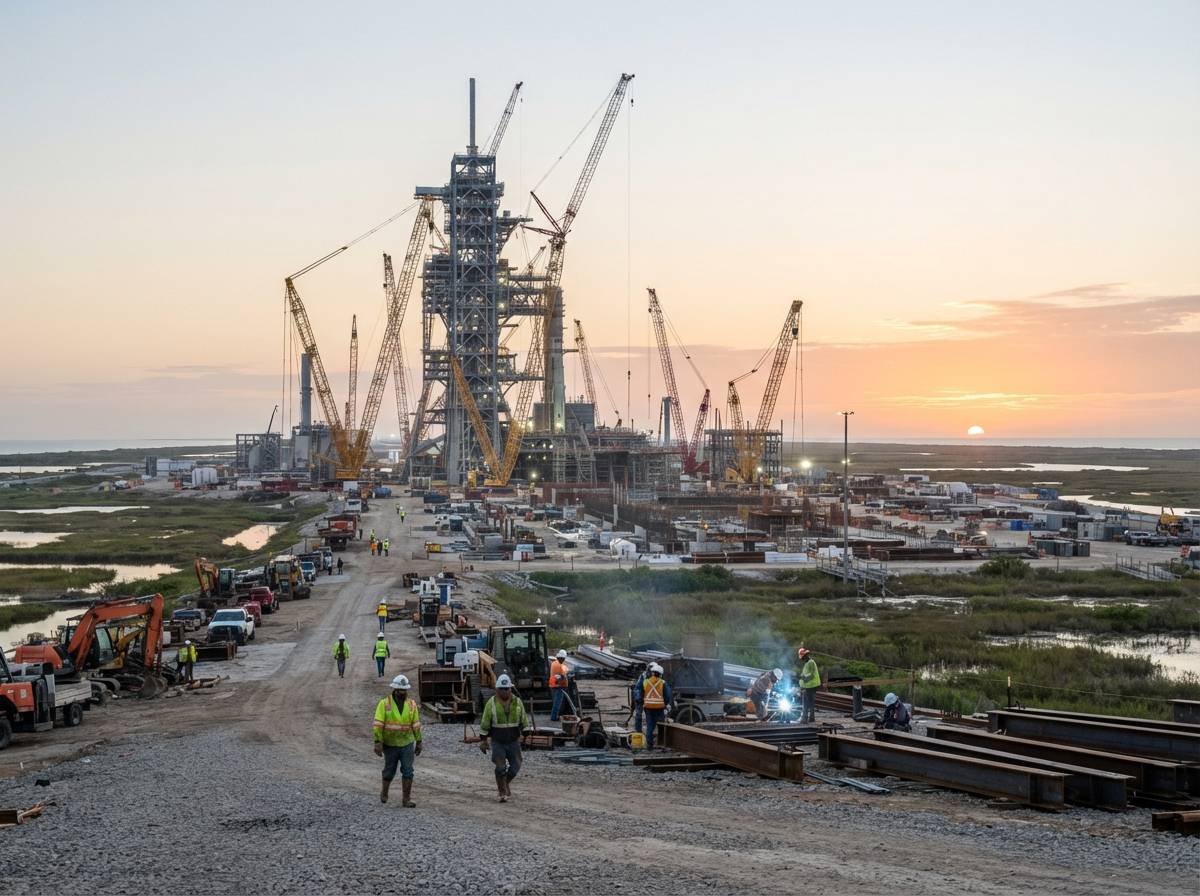
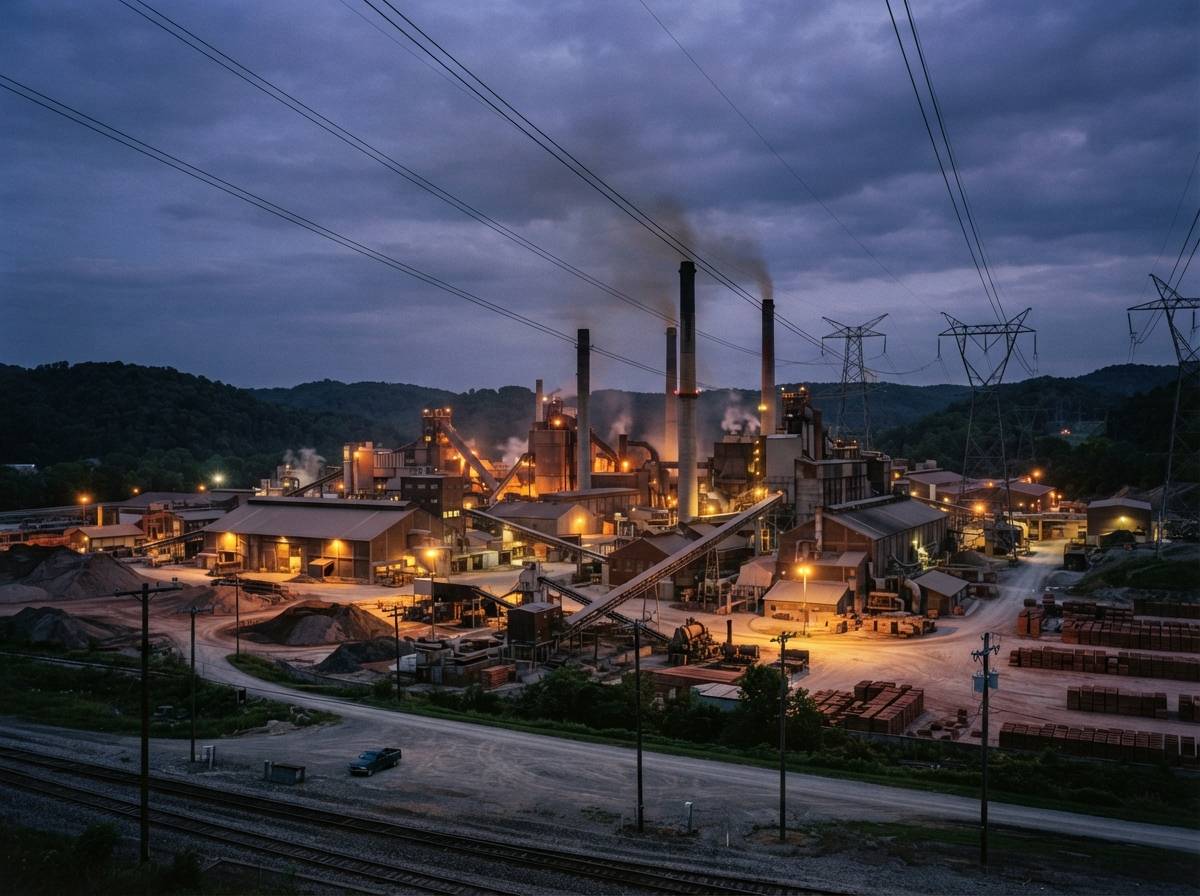
Big tech data centers are pushing up manufacturers' electricity bills nationwide, with one Ohio brick maker's monthly charge jumping from $1,600 to $12,000.
Big tech data centers are driving up electricity costs for manufacturers across the American heartland, with some factories seeing monthly capacity charges multiply nearly eightfold in a single year. The strain is now reshaping how regulators think about who pays for the power grid's future.
A Brick Maker's $10,000 Wake Up Call
Belden Brick Company, a 141 year old manufacturer based in Sugarcreek, Ohio, watched its electricity bills climb 90 percent last year. Company president Brad Belden, a fifth generation member of the family business, said the jump came largely from a monthly capacity charge that rose from $1,600 to $12,000. Belden Brick supplies materials used in landmark structures including the Alamo in Texas and buildings at Notre Dame University, so this is not a marginal player getting squeezed. It is an established manufacturer suddenly facing costs that threaten to eat into pricing and growth plans.
Why Data Center Demand Is Reshaping Power Bills
Capacity charges exist to pay power generators for keeping enough electricity available during peak demand periods and to encourage new supply to come online. For most households, these charges make up roughly 10 percent of a power bill. For manufacturers, they can run up to three times that share. The region managed by grid operator PJM Interconnection, which spans 13 states, has seen these fees spike as supply has stayed flat while demand from server warehouses has surged. A single data center can draw as much power as a mid sized town, and the buildout tied to artificial intelligence has only accelerated that appetite.
Small Factories Versus Tech Giants
Industry advocates argue that regulatory proposals meant to make Big Tech pay its fair share often end up treating small and mid sized manufacturers the same as companies like Meta and Amazon, whose electricity needs can outstrip even large factories by a factor of 50. Meta declined to comment on the matter, and Amazon did not respond to a request for comment. A Reuters review of federal energy data, along with interviews with close to a dozen manufacturers and trade groups, found that factory electricity costs are climbing faster than bills for homes and many other businesses.
Grid Strain Forces Emergency Measures
The pressure on the system became visible last week when PJM took emergency action, including asking some customers to cut back on electricity use, to head off rolling blackouts. Record breaking heat had pushed peak demand to new highs, even as capacity charges had already climbed sharply. That combination, soaring costs paired with a grid stretched thin, is now raising questions among policy experts about whether the current rate structure can hold as data center construction keeps expanding.
Manufacturing's Uncertain Path Forward
The timing complicates President Donald Trump's push to prioritize domestic manufacturing. Advocates and policy analysts say the rising costs and unclear regulatory direction could force some factories to raise prices, delay expansion plans, or consider relocating altogether. For a company like Belden Brick, which has operated through five generations of the same family, the sudden shift in its power bill is a preview of a bigger fight over who ultimately covers the cost of America's data center boom.