Jensen Huang's blue collar theory meets reality as Quanta Services posts a record $48.5 billion backlog building AI power infrastructure.
Jensen Huang's blue collar millionaire theory is turning into a real growth story for Quanta Services (NYSE: PWR), the specialty contractor that builds the transmission lines, substations and power connections that feed the artificial intelligence boom. The Nvidia CEO has repeatedly argued that the actual constraint on AI expansion isn't semiconductors, it's the shortage of electricians, pipefitters and grid workers needed to build the infrastructure those chips run on.
Key Takeaways
- Quanta Services reported a record total backlog of $48.5 billion earlier this year.
- Management points to a $2.4 trillion addressable market through 2030, tied to grid upgrades, new power generation and AI data center demand.
- The company owns Northwest Lineman College and runs its own training centers, giving it direct control over its labor supply.
- Shares have climbed sharply, raising the stakes if growth or bookings ever disappoint.
- Heavy reliance on utility and data center spending means Quanta's fortunes are tied closely to those customers' budgets.
Jensen Huang's blue collar thesis meets a real backlog number
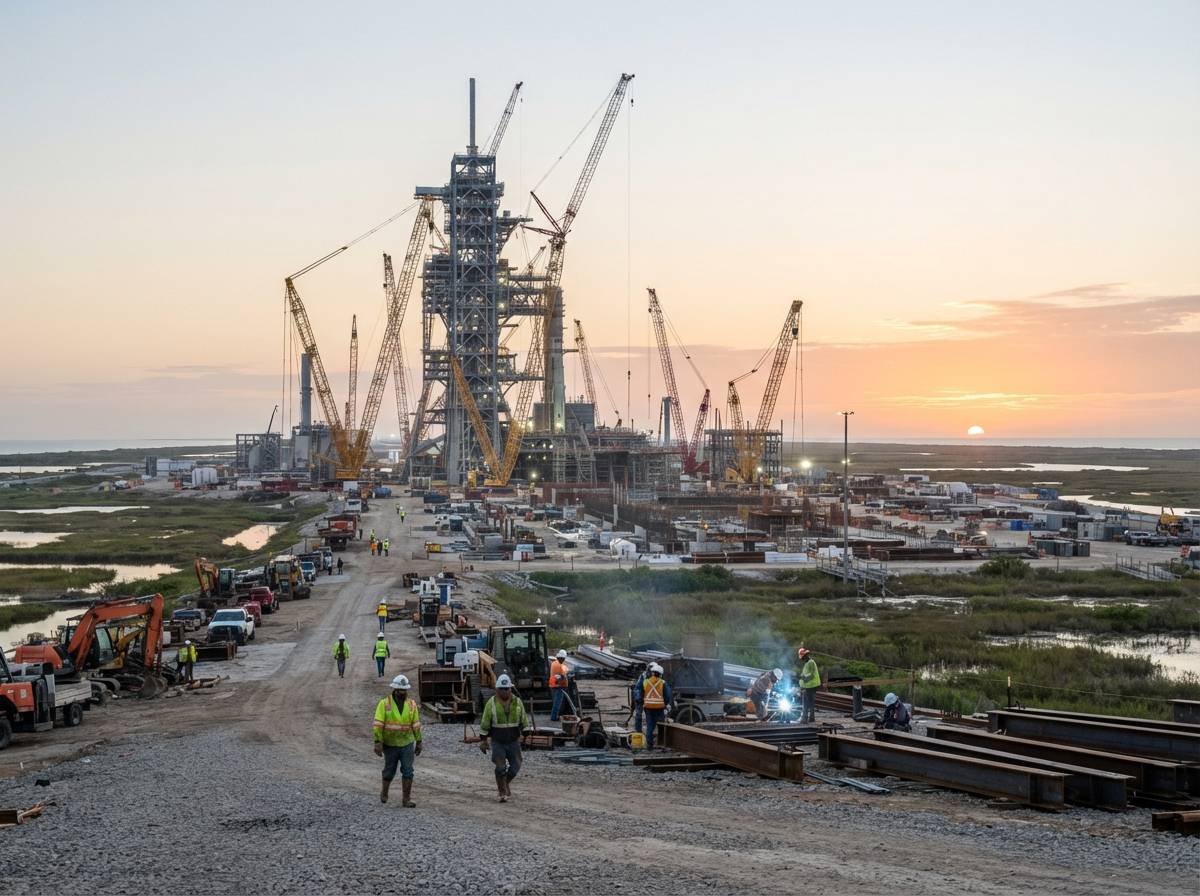
Huang has said publicly that skilled tradespeople could become a new class of high earners as AI infrastructure spending accelerates. It's not an abstract idea for Quanta. The company strings the transmission lines and builds the substations that let a hyperscaler power a new data center campus, and when it last reported results, its backlog, the signed work still waiting to be completed, hit $48.5 billion. That figure is the clearest evidence yet that the physical build out behind AI is translating into actual contracted business, not just industry talk.
Executives have also sized the opportunity well beyond the current backlog. They point to a $2.4 trillion addressable market running through 2030, driven by aging electrical grids, new power generation projects and the enormous electricity loads that AI facilities require. Whether that full figure ever materializes as revenue is a separate question, but it frames why investors have been paying closer attention to a contractor most people had never heard of a few years ago.
Why controlling the workforce matters more than the backlog
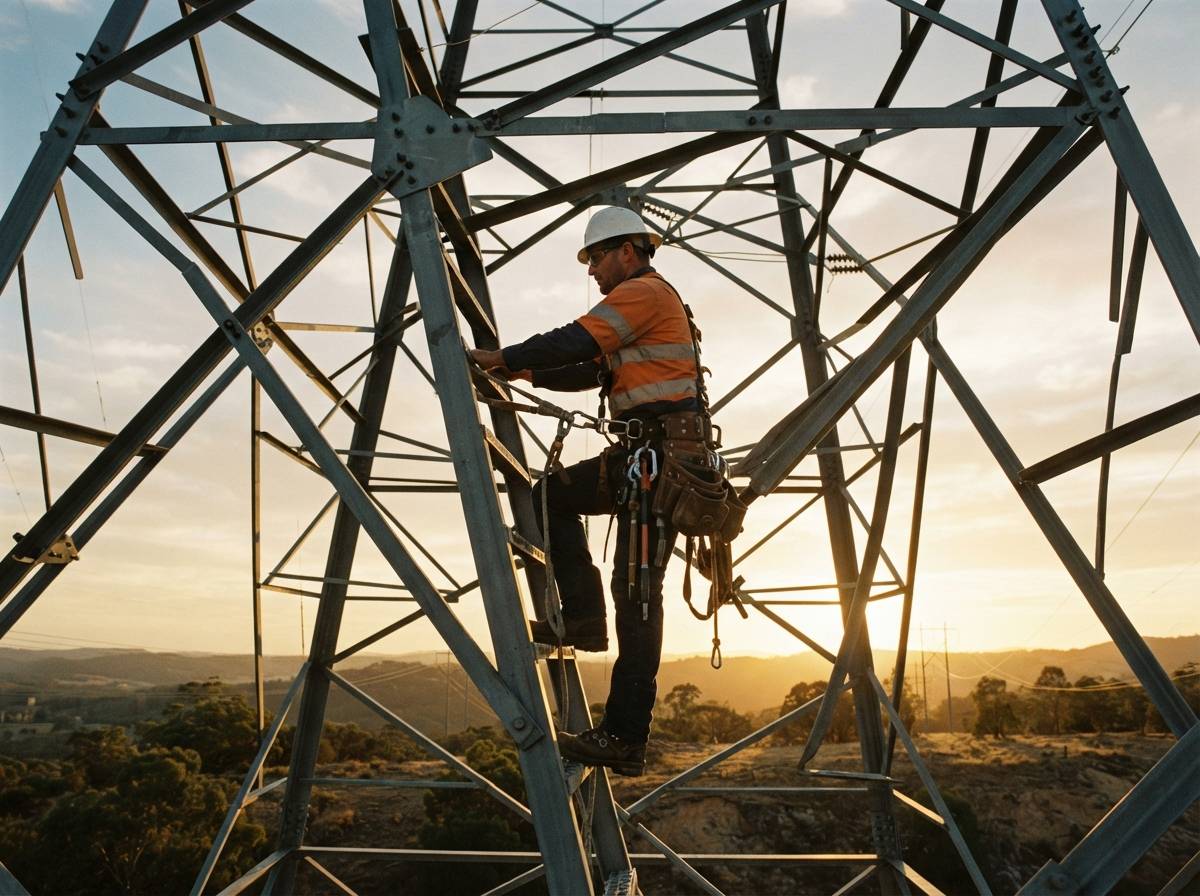
The more interesting detail sits underneath the headline number. If labor really is the bottleneck limiting how fast AI infrastructure gets built, then the company that trains its own workers rather than competing for scarce ones has an edge that's hard to copy. Quanta owns Northwest Lineman College, which puts thousands of pre-apprentices, apprentices and journey level line workers through training each year, and it also runs its own advanced training centers across its various service lines.
Turning someone into a qualified journeyman lineworker takes years, not months, so this isn't a capability rivals can quickly build from scratch. While other contractors bid against each other for the same limited pool of experienced crews, Quanta is training its own and putting them to work on its own projects. In an industry where nearly every company says people, not demand, is the real constraint, owning the training pipeline is a genuine structural advantage.
Valuation, momentum and yield on Quanta Services
The bull case rests on that backlog and workforce advantage translating into durable earnings growth as utilities and data center operators keep spending on grid capacity. The bear case is just as concrete. The same labor shortage that helps Quanta by keeping competitors constrained also caps how fast Quanta itself can grow, since even a company running its own training college can only produce so many qualified workers each year. Large infrastructure projects can also slip, get delayed or get rebid, and a backlog is a promise of future work rather than locked in profit. Quanta's revenue is concentrated among utility and data center customers, so any pullback in their capital spending plans would hit the business directly.
Shares have also had a strong run, which raises the bar for what the company needs to deliver to justify its current price. That leaves less room for error if a quarter's bookings or margins come in soft, and it means investors weighing the stock now are paying up for a growth story that still depends on execution over several years, not a sure thing already banked.
What happens if the labor bottleneck eases
The open question for Quanta isn't whether AI infrastructure spending continues, most signs point to yes, it's whether the company can keep expanding its own labor pipeline fast enough to capture the work without diluting the very advantage that sets it apart. If training capacity becomes the limiting factor even for Quanta, growth could moderate even as demand for grid and data center construction stays strong. That tension between scarce skilled labor and enormous project backlogs is likely to define how this story plays out over the next few years.