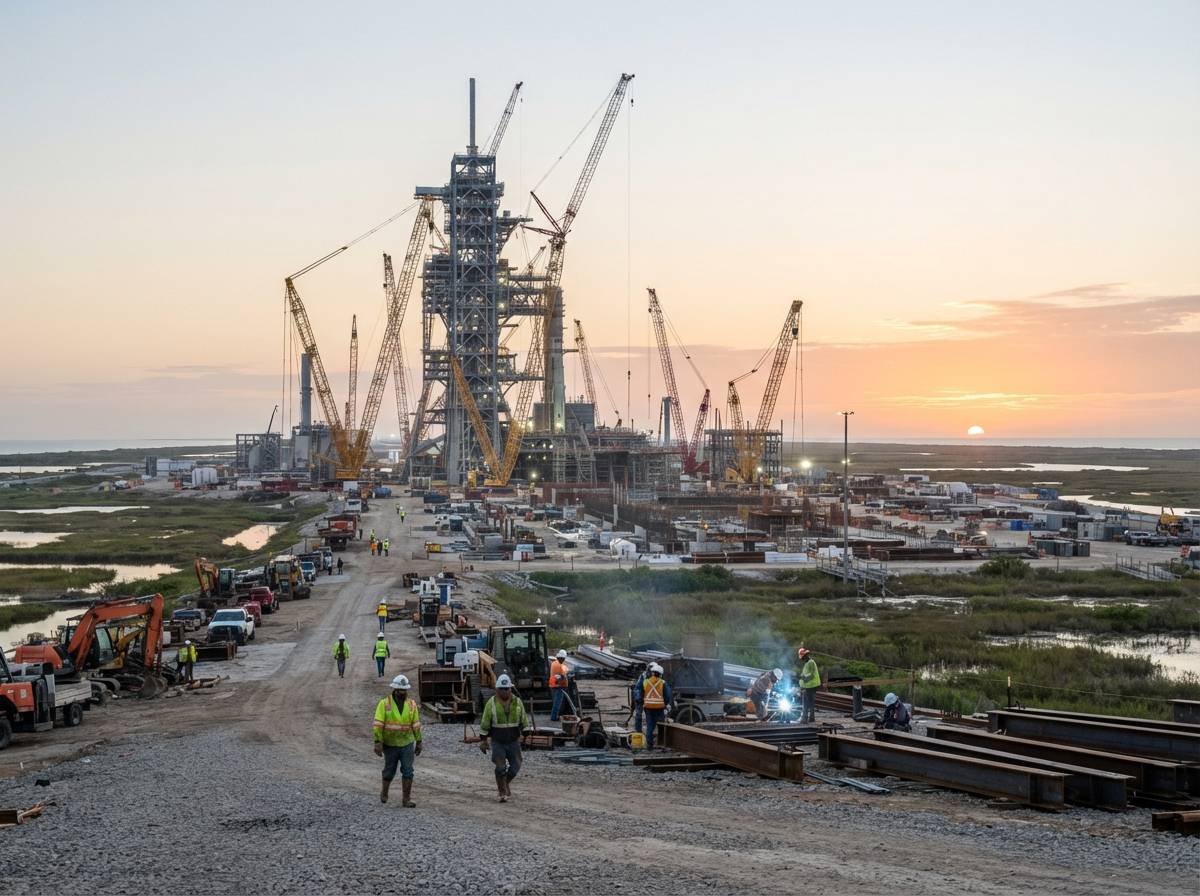
Oil prices jump on renewed US Iran hostilities as Brent and WTI surge 6% amid Strait of Hormuz shipping fears and a collapsing ceasefire.
Oil prices jumped on renewed US-Iran hostilities Thursday, with USO, the ETF that tracks crude, poised for sharp gains after President Trump said he believes the ceasefire he brokered with Tehran in mid June has effectively collapsed. Brent crude futures rose 6% to $78.63 a barrel, while West Texas Intermediate climbed 6.2% to $74.85, marking the biggest single day move in weeks.
What Triggered the Spike
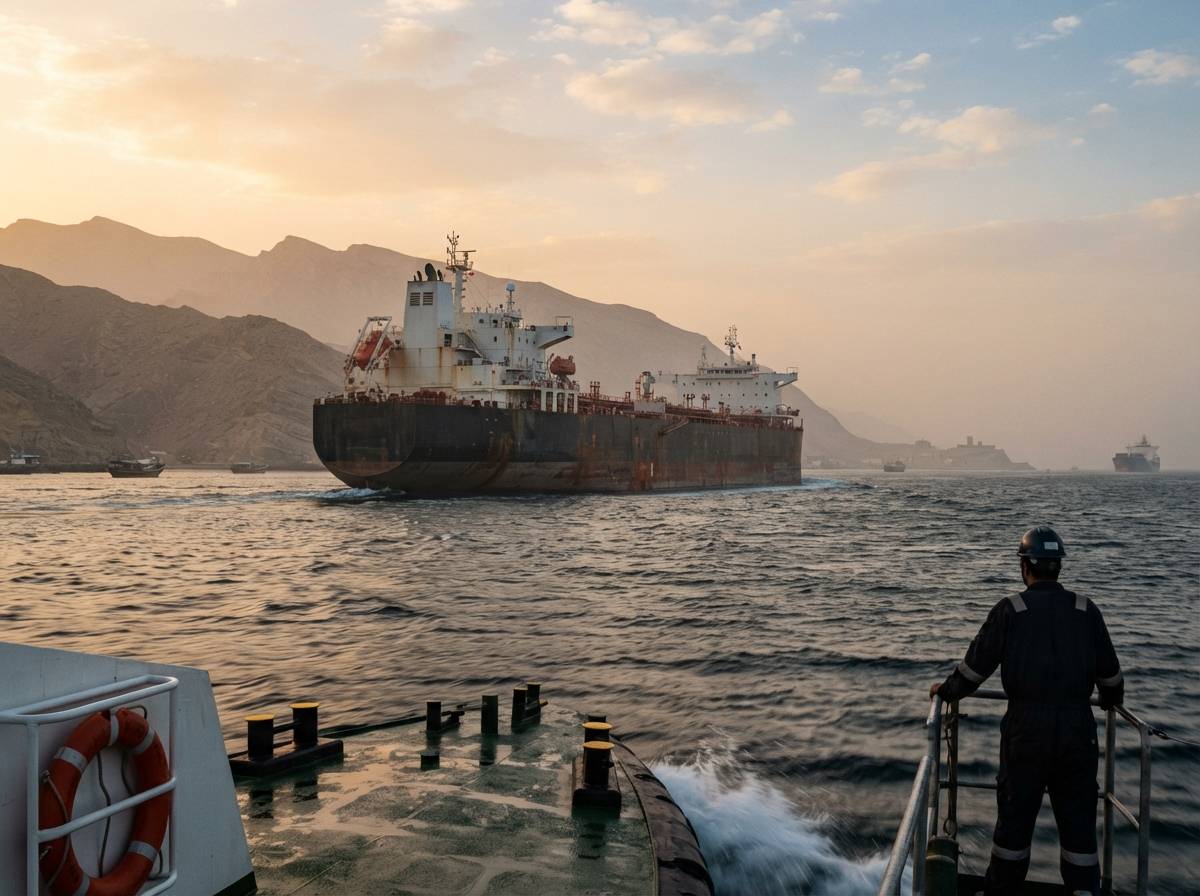
The rally followed a fresh exchange of strikes between the US and Iran and a decision by Washington to revoke a waiver that had allowed Tehran to keep exporting oil. That move came days after Iranian forces attacked commercial vessels near the Strait of Hormuz, one of the world's most critical chokepoints for seaborne crude. Trump did not declare that the war was resuming outright. He left the door open for talks to continue if both sides wanted them, but his comments were enough to convince traders that the truce reached in June is unraveling.
Why the Strait of Hormuz Keeps Rattling Markets
Roughly a fifth of global oil consumption passes through the Strait of Hormuz, so any hint of disruption there tends to move prices fast. Michelle Brouhard, head of policy and geopolitical risk at Kpler, said each new attack on shipping chips away at confidence that the waterway will stay open. Her point was that markets no longer treat a reopening as permanent. Insurance premiums stay elevated, freight rates stay sticky, and shipowners grow more reluctant to send vessels back into the Gulf, even during lulls in fighting.
Natural gas felt the ripple effect too. The Dutch TTF benchmark contract, a key European gas price gauge, rose 4.8% to 49.04 euros per megawatt hour, showing that energy markets broadly are pricing in more geopolitical risk, not just crude specifically.
Reading the Futures Curve
One of the clearer signals in the oil market this week is the shift back into backwardation, where contracts for near term delivery trade above longer dated futures. That structure tells you traders are willing to pay more to secure barrels right now rather than later, a classic sign of worry about immediate supply rather than long run scarcity. It is a reversal from the flatter or contango like conditions that had prevailed when the ceasefire looked more durable.
How the Dollar and Broader Markets Fit In
Commodity moves like this rarely happen in isolation. A weaker dollar tends to make oil cheaper for buyers using other currencies, adding fuel to price swings, while geopolitical shocks often send investors rotating away from risk assets. Equity benchmarks tracked by ETFs such as SPY and QQQ have shown sensitivity to Middle East flare ups in the past, and safe haven flows sometimes show up in gold proxy GLD or long dated Treasuries tracked by TLT when tensions escalate. So far, the oil market has reacted most sharply, with crude and gas absorbing the bulk of the shock.
Does the Ceasefire Have Any Life Left
Trump's own framing left ambiguity: he believes the truce is over, but he has not ordered a return to open conflict, and he has signaled willingness to let diplomacy continue if Tehran engages. That leaves traders parsing rhetoric as much as fundamentals, and until there is clarity on whether shipping through Hormuz stays uninterrupted, expect volatility in crude to persist.