Meta is expanding its data center presence with a $9.18 billion Alberta facility. Here's why, and what it means for investors and AI competition.
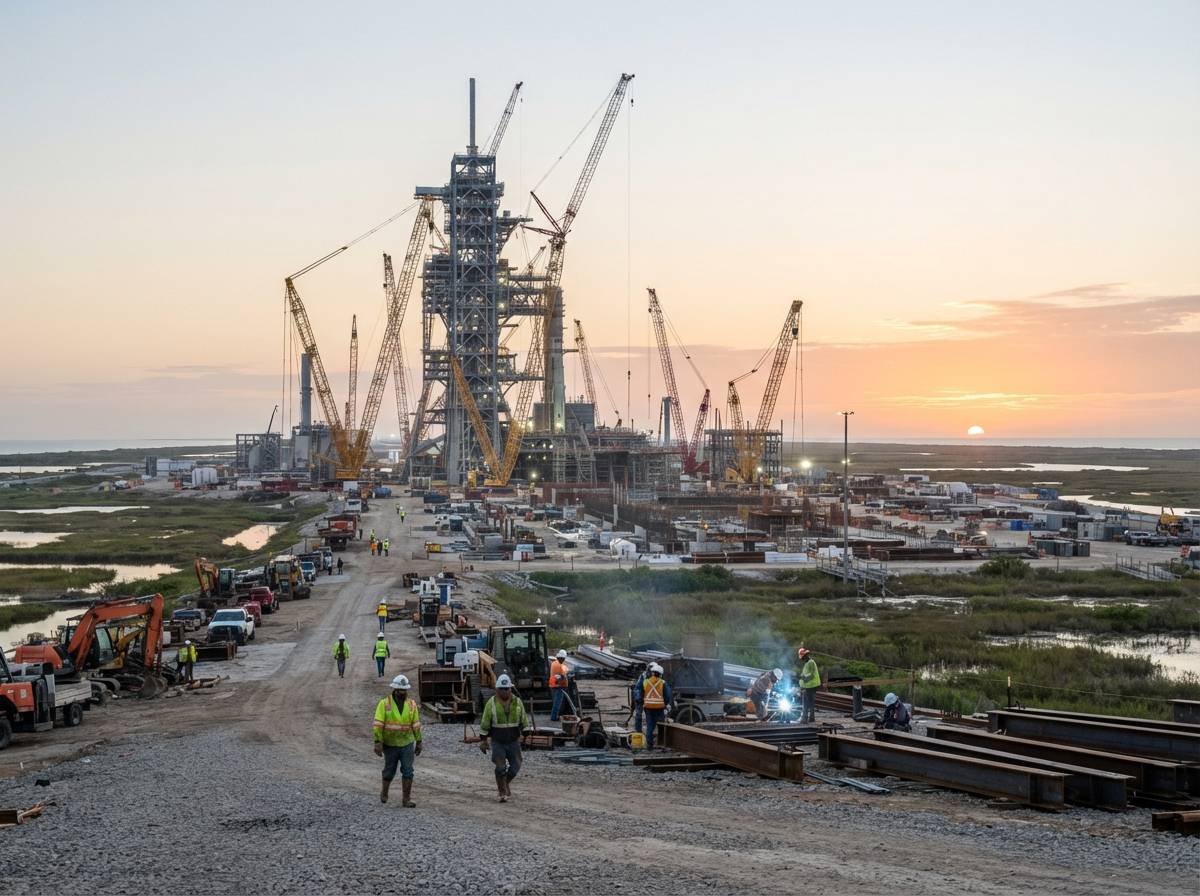
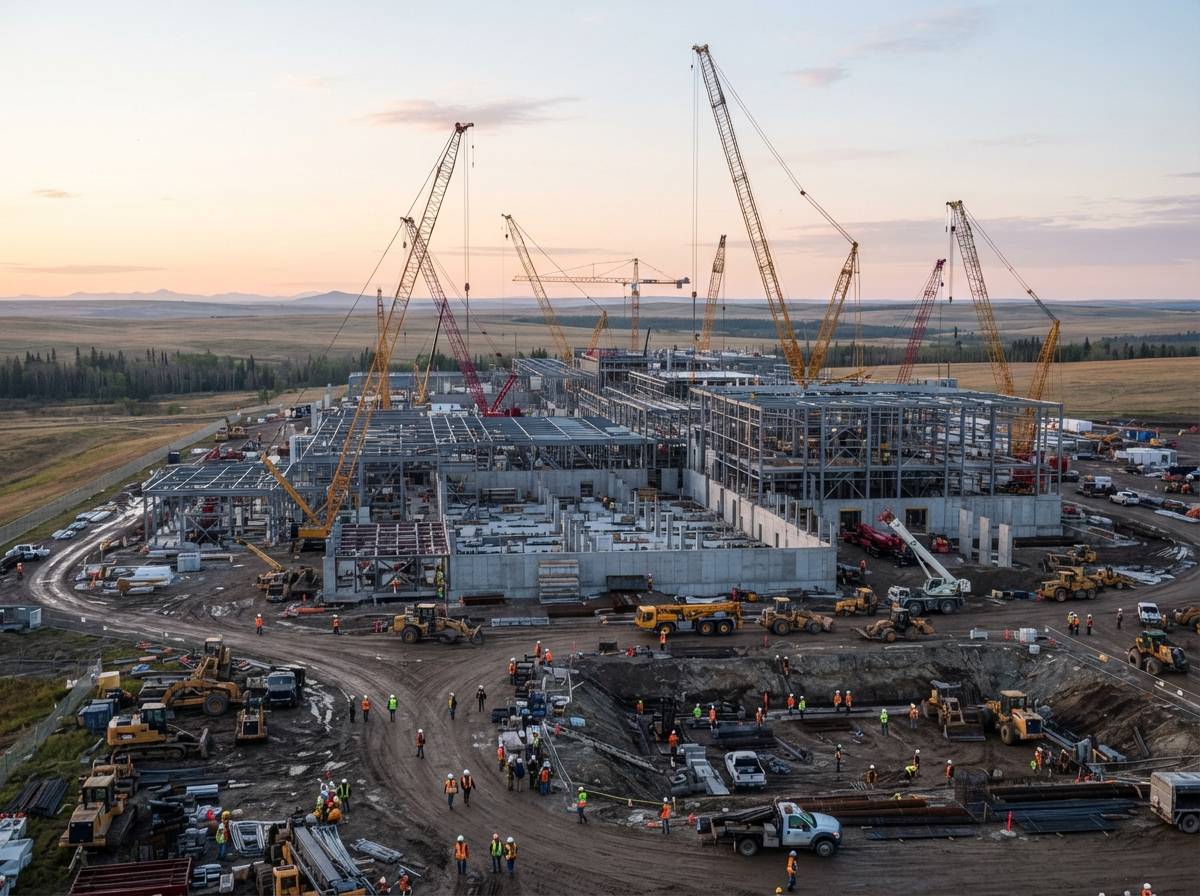
Meta is expanding its data center presence into Canada, confirming plans this week to build its first Alberta facility as part of a broader effort to keep pace with rivals in the AI computing race. The 1 gigawatt site marks the 33rd data center in Meta's global network and comes with a price tag near $9.18 billion.
What Meta Is Building in Alberta
The Alberta project will support roughly 3,000 construction jobs before settling into a permanent staff of about 300 once operational. Meta says it will also spend $42.4 million upgrading local infrastructure around the site. The company is pitching the facility's cooling system as a selling point: a closed loop, liquid cooling setup paired with dry cooling that avoids any operational water use. Water on site, Meta says, will only go toward fire safety and basic domestic needs.
Why Meta Is Expanding Its Data Center Presence Now
The Alberta build fits into a much larger spending pattern. Meta has told investors it expects to spend between $125 billion and $145 billion this fiscal year on data centers and related costs. That kind of outlay has unsettled some shareholders, and Meta stock has fallen 16% over the past 12 months, including an 8.6% drop so far this year. Investors are weighing whether the company can turn that spending into returns, especially after its Llama 4 models undershot expectations last year.
Since that stumble, Meta has restructured its AI work under a new group called Meta Superintelligence Labs. The unit released its first model, Muse Spark, in April, and followed it this week with a second release, Muse Image. The steady cadence of new models is part of how Meta is trying to reassure Wall Street that its infrastructure spending has a clear payoff.
A New Revenue Angle: Selling Spare Capacity
Bloomberg reported last week that Meta is moving ahead with a plan to sell excess computing capacity to outside customers, a shift that would put the company in more direct competition with cloud giants Amazon, Google and Microsoft, along with newer players like CoreWeave. CEO Mark Zuckerberg has floated this idea on past earnings calls, and it would give Meta a way to generate revenue from infrastructure it has already built, rather than relying solely on its own AI ambitions to justify the cost.
How This Stacks Up Against Rivals
Amazon, Google and Microsoft have spent years building out cloud businesses that already sell computing capacity externally, giving them a head start on monetizing infrastructure. Meta, by contrast, has built almost entirely for its own use. Entering the capacity resale market puts Meta in the same arena as those hyperscalers and specialized firms like CoreWeave, though it will be starting from a much smaller external customer base.
Where Meta's AI Bet Goes From Here
Meta's Alberta project and its capacity resale plans both hinge on whether its AI models can prove out the spending. Investors have been patient so far, but the stock's decline suggests that patience has limits. The next few earnings reports should show whether Muse Image and future models change that calculus.
Frequently Asked Questions
Why are data centers growing?
Data centers are growing because demand for AI training and cloud computing has surged, requiring far more processing power and storage than older internet era facilities provided.
What drives data center growth?
Growth is driven largely by companies racing to build AI models, which need massive computing clusters, along with rising demand for cloud services from businesses and consumers.
Why are so many data centers being built?
Companies including Meta, Amazon, Google and Microsoft are building numerous facilities at once because AI workloads require far more capacity than existing infrastructure can supply, and each company wants enough capacity to support its own roadmap.
Why is meta expanding its data center presence?
Meta is expanding its data center presence to support its AI ambitions under Meta Superintelligence Labs and to eventually sell excess computing capacity to outside customers, creating a new revenue stream beyond its core advertising business.