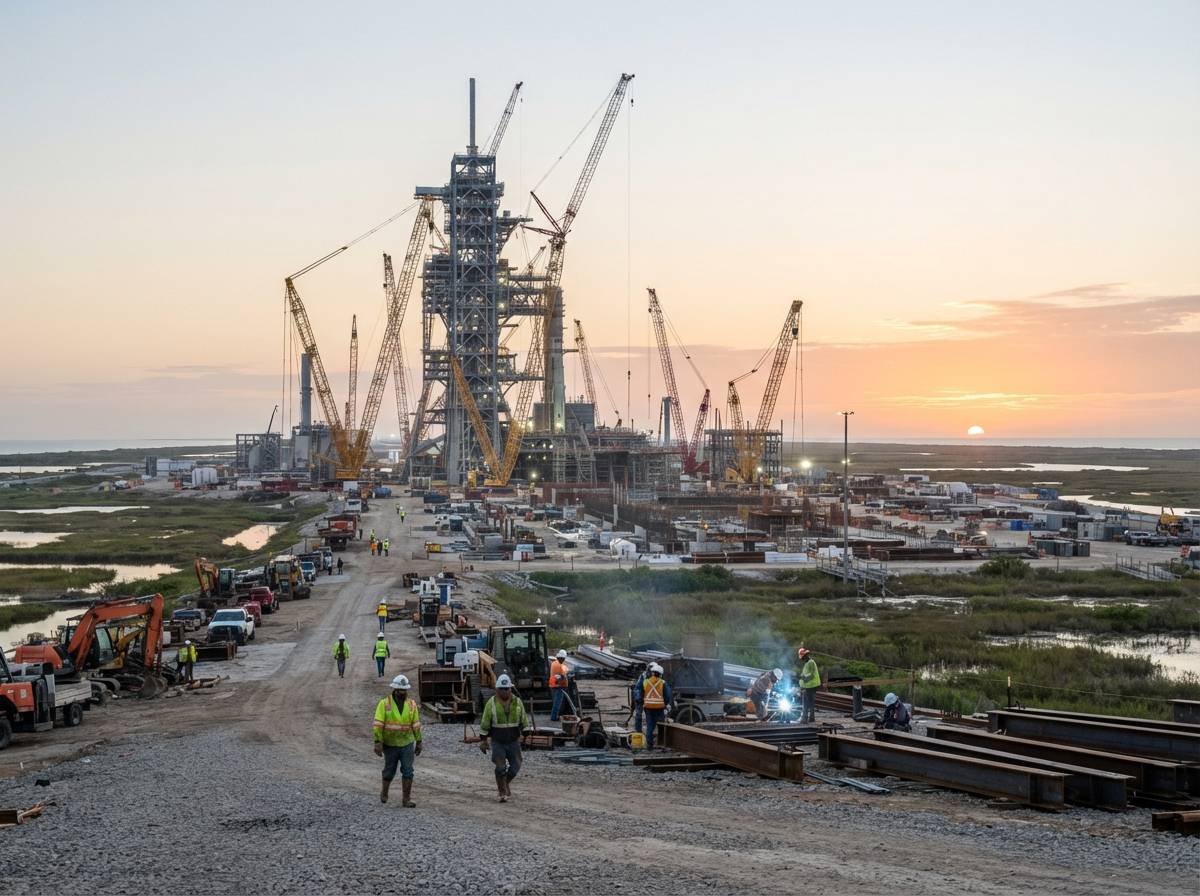
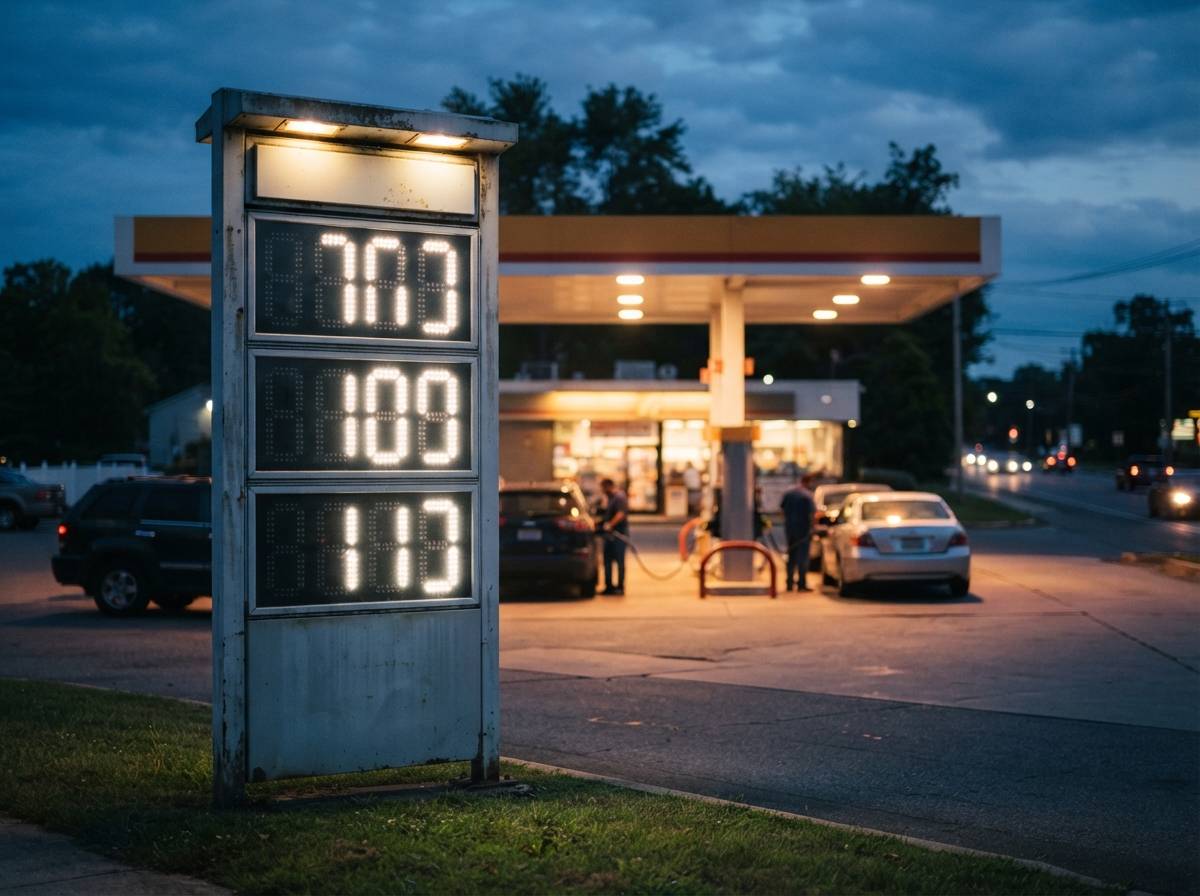
Big oil windfall profits tax talk resurfaces as Chevron and Exxon near their best quarter since 2022 amid Trump's price gouging claims.
Chevron and ExxonMobil, the two largest publicly traded oil companies in the United States, are set to post their strongest quarterly earnings since 2022 when they report second quarter results at the end of this month, and the big oil windfall profits tax debate is heating up again as President Trump accuses the industry of overcharging drivers at the pump.
Key Takeaways
- Chevron and Exxon are expected to report their best quarter since 2022, driven by tighter oil and gas supply following the war between the United States, Israel, and Iran that began February 28.
- Iran's response to the strikes included threats to close the Strait of Hormuz, which pushed international crude benchmarks and retail fuel prices sharply higher, though not to 2022 levels above $5 a gallon.
- President Trump has accused Chevron, Exxon, Shell, and BP of price gouging and directed the Department of Justice to investigate why gasoline prices have not fallen as fast as crude prices.
- The American Petroleum Institute has pushed back, saying refiners do not set prices unilaterally and that gasoline prices do not move in lockstep with crude.
- The national average gasoline price has slipped below $4 per gallon, still well above the $2.50 target Trump has floated.
Why the Big Oil Windfall Profits Tax Debate Is Resurfacing
Talk of a windfall profits tax tends to follow periods when oil companies post outsized earnings while consumers face higher prices at the pump. That pattern is repeating now. The conflict that erupted after the U.S. and Israel struck Iran on February 28 tightened global oil and gas supply, and Iran's threats against shipping through the Strait of Hormuz added to the disruption. Crude prices jumped, and so did the prices of gasoline and diesel refined from that crude, which padded refiners' margins even as it strained household budgets.
U.S. producers stepped into the gap left by lost Middle Eastern barrels, exporting record volumes of crude and refined products and cementing the country's position as the world's largest oil and fuels exporter. That export boom has been good for company balance sheets. It has been less popular with drivers who watched pump prices climb even though the run up never approached the 2022 spike, when a gallon of regular gasoline briefly topped $5 nationally.
President Trump has not proposed a formal windfall tax, but his public criticism of Chevron and Exxon echoes the rhetoric that historically precedes such proposals. On TruthSocial last month he wrote that oil companies were not lowering pump prices to match falling crude costs, accused the industry of gouging customers, and said he had instructed the Department of Justice to look into it.
Valuation, Momentum and Yield at Exxon and Chevron
Neither company has released final second quarter figures yet, so specific share price, market capitalization, price to earnings ratio, earnings per share, 52 week range, and dividend yield data for this reporting period were not available at the time of writing. What is established is the earnings trajectory: both companies are on track for their best quarter since 2022, when Western sanctions on Russia after its invasion of Ukraine sent international crude benchmarks well above $100 a barrel.
The bull case rests on the same dynamics that lifted 2022 results. Tighter global supply, elevated refining margins, and record U.S. export volumes all support stronger cash flow, which typically feeds into dividend coverage and share buybacks for companies like Chevron and Exxon that have long prioritized returning capital to shareholders.
The bear case centers on political risk. A U.S. president publicly floating a Justice Department investigation into pricing practices, alongside recurring windfall profits tax rhetoric in Washington, introduces uncertainty that markets tend to price in even before any policy materializes. Add to that the fact that a final Iran peace agreement remains elusive, and tanker traffic through the Strait of Hormuz is only partially and unevenly recovering, meaning the supply picture that boosted this quarter's results could shift again.
Industry Pushback and the Pricing Dispute
The American Petroleum Institute rejected the price gouging accusation directly. A spokeswoman, Bethany Williams, said gasoline prices do not move in lockstep with crude oil, particularly during a major global supply disruption that also affects refining capacity and inventories. The trade group said the industry shares the administration's goal of delivering relief at the pump and restoring stability to global energy markets, while stressing that individual refiners and fuel marketers do not control retail pricing across the board.
Trump has since acknowledged that prices have eased, with the national average falling below $4 a gallon, but he has continued to argue gasoline should cost $2.50 a gallon and has placed responsibility for the gap on Chevron, Exxon, Shell, and BP by name.
Will Political Pressure Translate Into Policy?
The relationship between Trump and the oil industry has generally been friendly. Big Oil donated heavily to his 2024 campaign, and his administration has made expanding domestic oil and gas production a stated priority, framing it as a path to American energy dominance. That backdrop makes his public criticism notable, even if it has not yet produced concrete legislation. The industry appears to be taking the threat seriously, engaging in lobbying efforts aimed at easing tensions with the White House before quarterly earnings reports land and potentially reignite the pricing dispute.
Frequently Asked Questions
What is a tax windfall?
A tax windfall generally refers to an unexpected surge in tax revenue or profit that a government or company receives, often due to external events like a spike in commodity prices rather than from improved business performance.
What is windfall profit tax?
A windfall profit tax is a special, typically temporary tax levied on companies that earn unusually large profits from circumstances outside their normal business operations, such as a war or supply shock that drives up prices, rather than from increased efficiency or investment.