
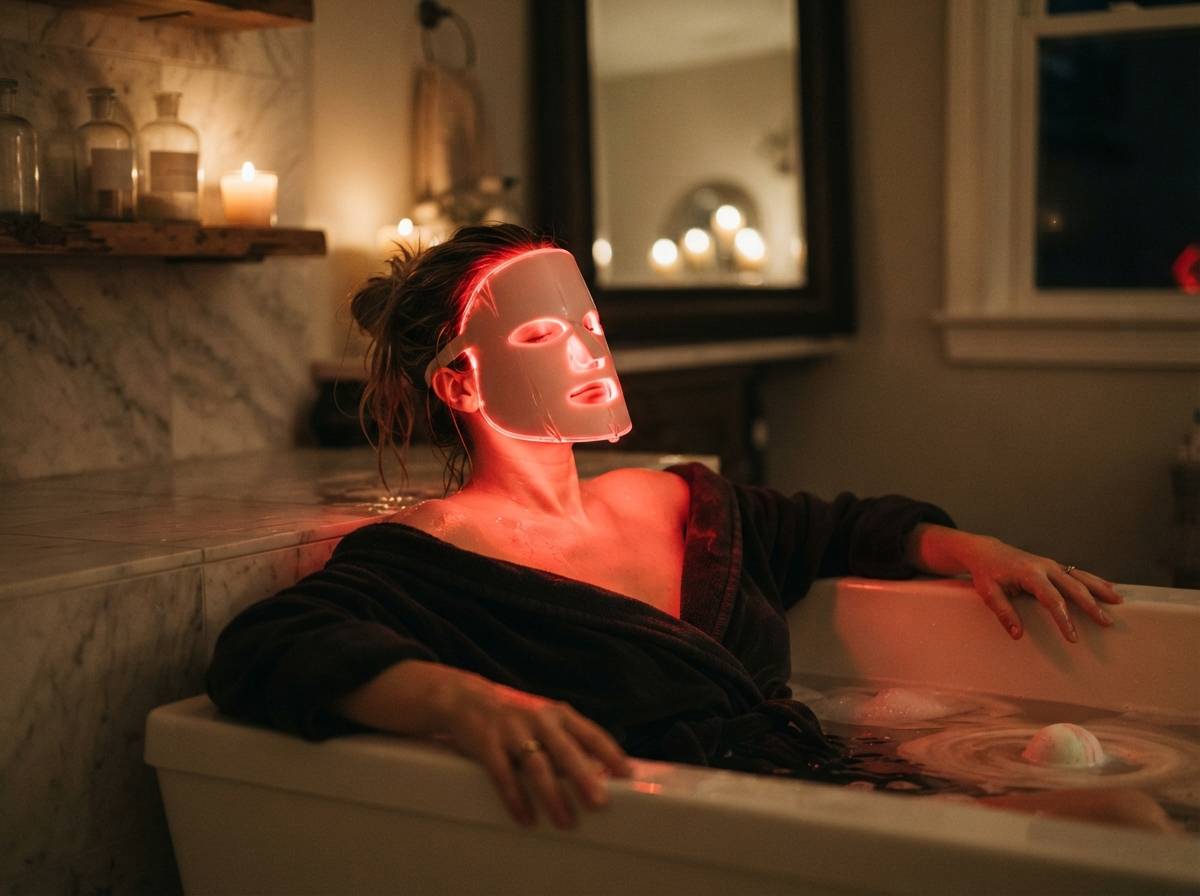
A clear guide to led face masks: how they work, recommended usage times, and what dermatologists say about the evidence behind red and blue light therapy.
An led face mask is a skincare device that uses light emitting diodes, usually in red, blue or near infrared wavelengths, to treat the skin at home. People search for a new york times led face mask review or comparison hoping to find guidance on which device actually works, since the paper has covered the category as part of its wirecutter style product testing.
At a Glance
- Red light is generally marketed for fine lines, firmness and overall skin tone.
- Blue light is aimed at acne causing bacteria and oil control.
- Near infrared light is promoted for deeper tissue support and healing.
- Session times typically run from a few minutes up to twenty minutes.
- Consistency over weeks or months matters more than any single use.
What Reviewers Look For In A New York Times Led Face Mask Roundup
When outlets test these devices, they tend to weigh a handful of practical factors: how evenly the light covers the face, whether the mask is comfortable to wear while sitting still, battery life, and whether the company backs up its marketing claims with any published research. Price varies enormously too, from budget masks under fifty dollars to premium versions that run several hundred.
Dermatologists quoted in mainstream coverage generally agree that light therapy has a real, if modest, evidence base. Red and near infrared light appear to stimulate collagen production and reduce inflammation, while blue light can help calm acne breakouts by targeting certain bacteria on the skin. None of these devices are a substitute for prescription treatments or professional dermatology care, and results tend to be gradual rather than dramatic.
How Often People Actually Use Them
Most manufacturers recommend a routine of three to five sessions per week, with each session lasting somewhere between three and twenty minutes depending on the device's power and design. Some higher end masks use stronger diodes and shorter cycles, while cheaper models may need longer exposure to deliver a comparable dose of light.
Where The Evidence Still Falls Short
Clinical studies on LED masks are smaller and less numerous than the marketing around them would suggest. Most peer reviewed research has focused on light therapy delivered in clinical settings by professionals, not the at home consumer versions sold directly to shoppers. That gap between lab conditions and bathroom mirror use is why many reviewers, including those writing for major outlets, urge caution about outsized claims and stress that individual results vary widely based on skin type, consistency and the specific device used.
Frequently Asked Questions
How long to wear led mask?
Most sessions last between three and twenty minutes, depending on the mask's brightness and the manufacturer's instructions. Always follow the specific guidance printed on the device rather than a generic timeframe.
What do led face masks do?
They expose skin to specific wavelengths of light, red and near infrared for collagen and inflammation, blue for acne causing bacteria, with the goal of gradually improving skin texture, tone or breakouts over repeated use.
How long to use led face mask?
Visible changes generally take several weeks to a few months of consistent use, often three to five times a week, since the effects build gradually rather than appearing after one session.
This article is for general information only and is not medical or legal advice. Consult a qualified dermatologist or physician before starting any new skincare device or routine.