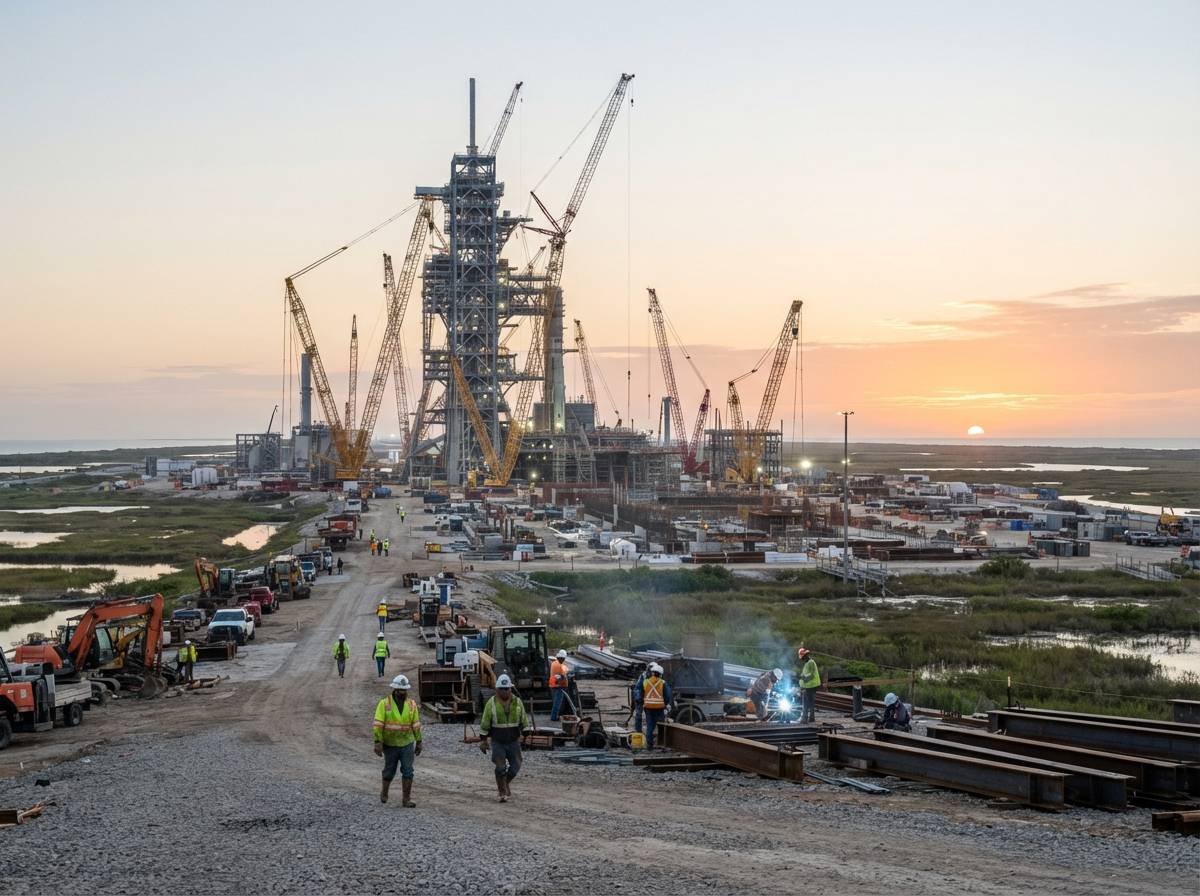
Russia has moved to ban diesel exports entirely, a step that follows weeks of Ukrainian drone strikes on its refineries and fuel shortages spreading…
Russia has moved to ban diesel exports entirely, a step that follows weeks of Ukrainian drone strikes on its refineries and fuel shortages spreading across the country. Deputy Prime Minister Alexander Novak announced the decision alongside President Vladimir Putin, framing it as necessary to keep more fuel at home rather than sending it abroad.
In Brief
- Russia has extended its diesel export restrictions to cover producers, not just traders, effectively closing off the entire market to foreign sales.
- Almost all of Russia's 83 regions have reported gasoline shortages, with some drivers waiting up to 18 hours at the pump.
- Global diesel benchmark prices jumped nearly 13 percent before easing slightly, according to Intercontinental Exchange data.
- Russia is the world's second largest diesel exporter after the United States, with Turkey and Brazil as its top buyers.
- The ban lands as tensions around the Strait of Hormuz threaten further disruption to oil flows tied to crude, tracked broadly through funds like USO.
Why Russia Banned Diesel Exports Now
The government had already barred non producer traders from selling diesel overseas. Wednesday's move widened that restriction to include the companies that actually make the fuel, closing the loophole entirely. Natalia Losada, senior oil products analyst at Energy Aspects, said the change effectively covers the whole market.
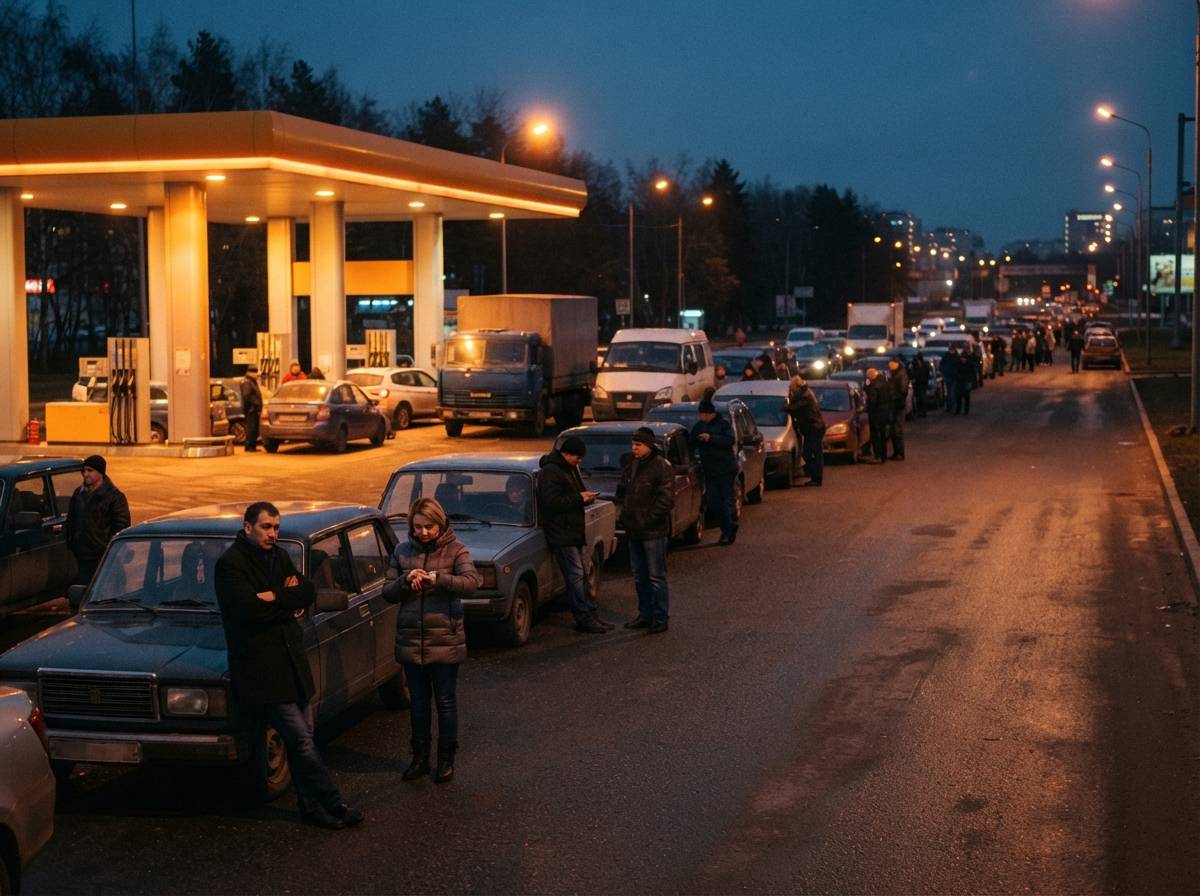
Novak had insisted earlier in the week that Russia's domestic market was fully supplied with diesel and gasoline. That claim sat awkwardly against images of long lines at gas stations nationwide. Reports from Russian media described rationing at pumps and waits stretching to 18 hours in some regions, a sign of how badly the refinery strikes have disrupted normal fuel distribution.
Refinery Strikes and the Toll on Supply
Ukrainian drone attacks have hit fuel and power infrastructure well beyond the front lines, including facilities in Crimea, which Russia annexed in 2014. Satellite imagery from NASA, shared by the Institute for the Study of War, shows a marked drop in nighttime light across Crimea compared with a year earlier, suggesting sustained damage to energy infrastructure rather than a temporary outage.
These strikes have chipped away at Russia's refining capacity for months, and the shortages now visible at the pump reflect that cumulative pressure rather than a single incident.
A Global Market Already on Edge
The timing could hardly be worse for global energy markets. A shaky ceasefire between the United States and Iran has raised fresh concern that the Strait of Hormuz, the passage through which roughly a fifth of the world's oil once moved, could see flows curtailed again. Washington has also reinstated sanctions on Iranian oil sales, removing another potential source of supply relief.
Losada called the combination