Valar Atomics used a next generation nuclear reactor to power an Nvidia AI chip, marking a first for advanced reactors in the US energy sector.
A California nuclear startup has, for the first time in the United States, used power from a next generation reactor to run an artificial intelligence chip made by Nvidia. Valar Atomics connected its Ward 250 reactor to an Nvidia Blackwell chip on Wednesday at a demonstration site in Utah, briefly hosting a website with the electricity generated. It was a small amount of power, but the moment marks a milestone for an industry still trying to prove its technology actually works outside a lab.
What Happened at the Utah Site
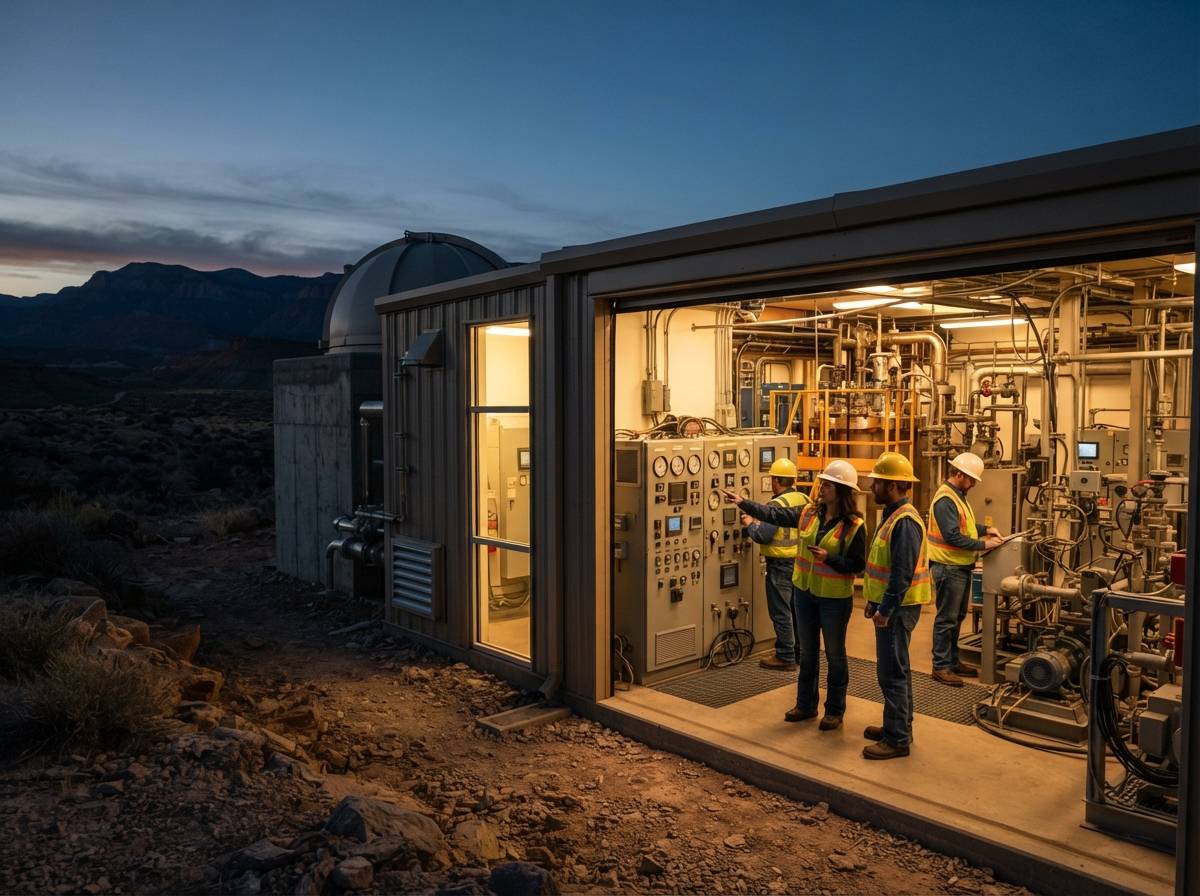
The demonstration itself was modest by design. Engineers wired the Ward 250 reactor directly to the Blackwell chip and let it run just long enough to serve a simple website, a proof of concept rather than a production system. Valar Atomics and Nvidia also announced Wednesday that they will jointly explore how nuclear power might be paired with AI computing systems going forward, though neither company detailed a timeline or specific projects tied to that partnership.
The test builds on progress from last month, when the Ward 250 reactor reached what nuclear engineers call criticality, the point at which a fission reaction becomes self sustaining without needing an external trigger to keep it going. Reaching criticality is generally treated as a foundational step before a reactor can be considered for any real power generation role, and Valar's reactor cleared that bar only weeks before Wednesday's chip demonstration.
Why an AI Chip Needs a Reactor at All
The pairing reflects a broader problem across the AI industry: chips like Nvidia's Blackwell line consume enormous amounts of electricity, and data centers running them are straining power grids in various parts of the country. Nuclear power, generated around the clock regardless of weather, has become an attractive option for tech companies looking to secure steady electricity supplies for AI computing without relying entirely on the existing grid.
Valar Atomics is one of several companies racing to build what the industry calls advanced reactors, systems that use different fuels, coolants, or structural designs than the large light water reactors that have powered the US grid for decades. Proponents argue these newer designs can be smaller, safer, and cheaper to build. But the sector remains in an early, unproven phase: no advanced reactor design has yet received full commercial approval for operation in the United States, and Valar's demonstration, while notable, involved only a trickle of electricity rather than anything resembling grid scale output.
How Far This Is From Powering a Data Center
Turning a research milestone into a working power source for a data center is a very different challenge than lighting up a single chip for a few minutes. Regulatory approval, manufacturing at scale, and long term safety testing all remain ahead of Valar and its peers in the advanced nuclear space. The company has not said when, or whether, the Ward 250 design might reach a stage where it could reliably supply power to commercial AI infrastructure. For now, Wednesday's test stands as evidence that the concept can work in principle, even as the industry works out whether it can work in practice at any meaningful scale.