Oil jumps 5% as the United States revokes visa and oil license terms tied to Iran after Strait of Hormuz tanker attacks threaten global energy supply.
Oil prices jumped more than 5% after Washington revoked a general license that had allowed sales of Iranian crude, a move announced Tuesday alongside a stark warning that Iran's actions in the Strait of Hormuz were "wholly unacceptable." Crude tracker USO climbed on the news as traders weighed the risk of supply disruption in one of the world's busiest oil corridors.
The United States revokes visa access and financial permissions as tools of pressure fairly often, but this particular action targets the oil trade directly. The Treasury Department said it would give companies until July 17 to wind down any Iranian oil transactions that had been permitted under the now cancelled license, giving buyers and shippers a narrow window to unwind existing deals.
What Triggered the Reversal
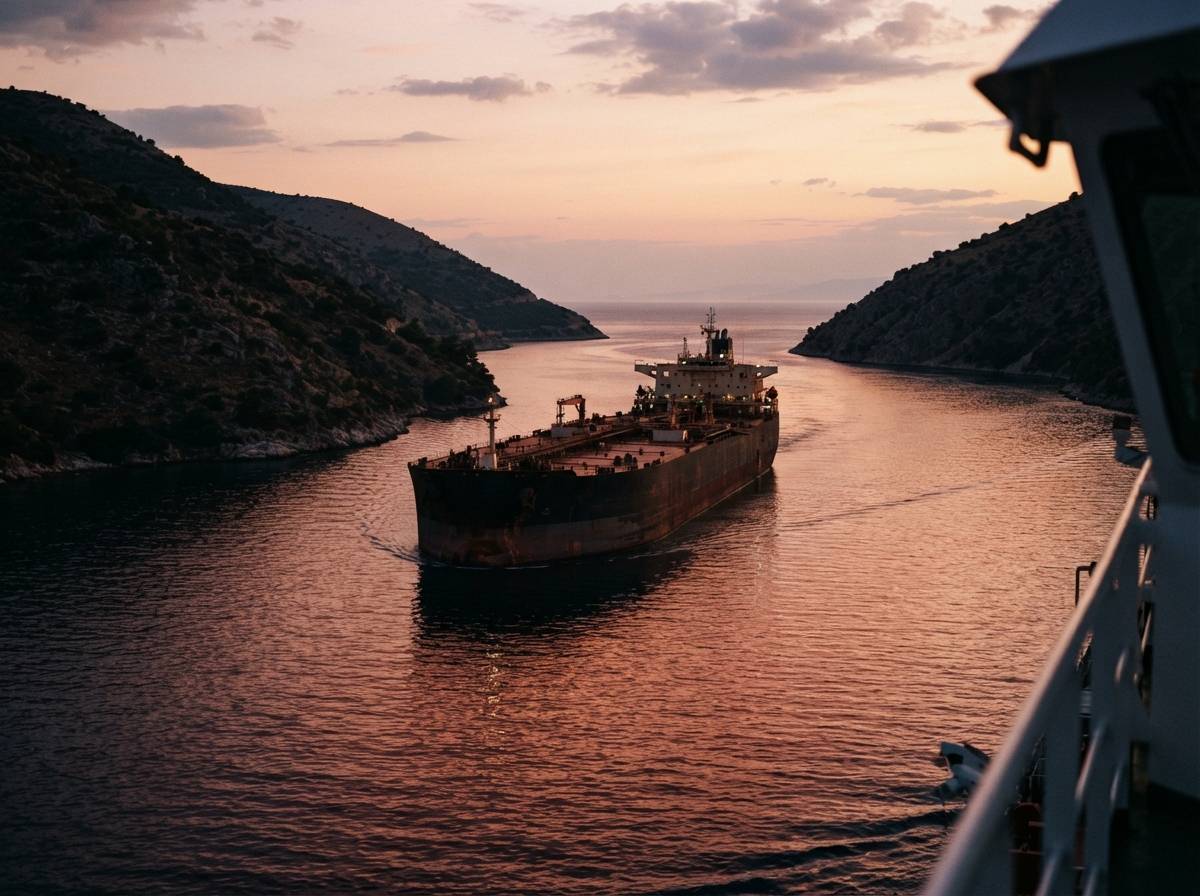
The decision followed reports that three tankers were struck by unidentified projectiles in and near the Strait of Hormuz, according to the British navy affiliated monitoring group UKMTO. No group has claimed responsibility, and Tehran has not commented publicly. One U.S. official, speaking anonymously, said early indications pointed to Iran firing on three commercial vessels, though that has not been independently confirmed.
A separate U.S. official said negotiators were still working in good faith toward a broader agreement with Iran even as tensions flared. That agreement had reportedly included limits on Iran's nuclear program in exchange for relief from sanctions, including some tied to oil exports.
Why the Strait of Hormuz Matters
The strait sits between Iran and Oman and carries roughly a fifth of global oil consumption along with large volumes of liquefied natural gas every day. Any sustained disruption there tends to ripple quickly through energy markets, pushing prices higher for consumers and governments already contending with elevated fuel costs.
Iran's Financial Stakes
Oil revenue remains one of Iran's few reliable sources of hard currency, helping finance government spending in an economy still strained by years of sanctions. Despite restrictions, Tehran has found ways to keep shipments flowing, particularly to China, turning oil sales into one of its last major economic lifelines. A renewed U.S. crackdown on those exports could tighten Iran's finances further and limit its capacity to fund both domestic programs and regional operations.
Risk to the Diplomatic Track
The tanker attacks and Washington's swift response threaten to unsettle an already fragile understanding between the two governments. Analysts following the talks say further retaliation, from either side, could derail progress toward the wider nuclear and sanctions deal that negotiators have been quietly assembling for months.
Frequently Asked Questions
Why was my US visa revoked?
Visas are typically revoked over security concerns, visa fraud, criminal charges, overstaying prior travel, or new information that surfaces during background checks. Each case is handled individually by consular officers or the Department of Homeland Security.
What happens if my US visa is revoked?
A revoked visa generally means the holder can no longer use it to enter the United States and, in many cases, must depart the country if already inside. Reapplying for a new visa is possible, but approval is not guaranteed and depends on the reason for revocation.