The postal service raises first class stamp prices to 82 cents Sunday as USPS warns of cash shortfalls and $120 billion in losses since 2007.
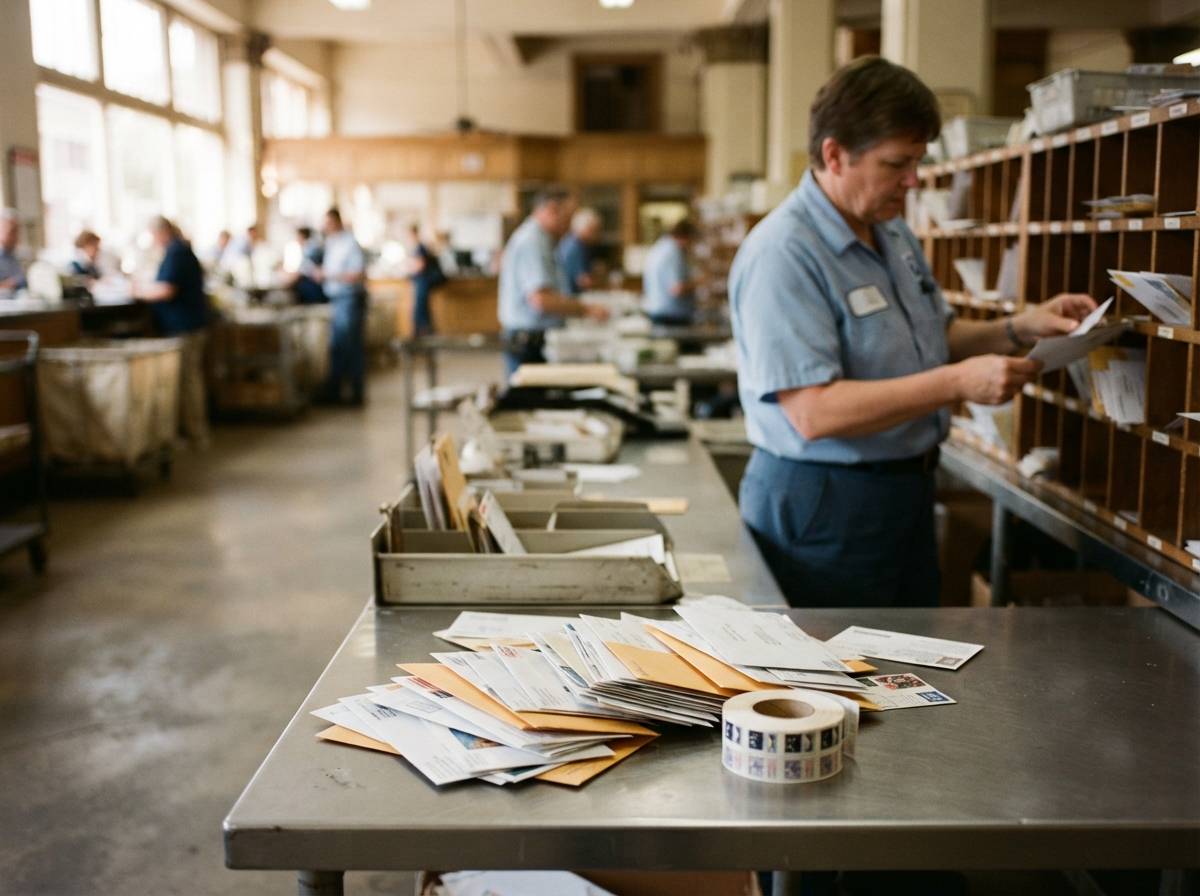
The postal service raises the price of a first class stamp to 82 cents starting Sunday, up from 78 cents, as the financially strained agency looks for ways to plug a widening budget hole.
At a Glance
- First class stamp price rises from 78 cents to 82 cents, a 4.8% increase announced in April
- The U.S. Postal Service has warned it could run out of cash as early as next year
- The agency has posted roughly $120 billion in net losses since 2007
- First class mail volume has fallen to levels not seen since the 1960s
- Postmaster General David Steiner told Congress the agency's business model is broken
Why the Postal Service Raises Rates Again
This is hardly the first price hike in recent memory, and it likely won't be the last. The agency has leaned on regular rate adjustments to offset a business that looks nothing like it did a generation ago. Back in April, USPS confirmed plans to lift mailing costs by 4.8%, and Sunday's change puts that into effect for everyday letter senders.
The math behind the increase is straightforward even if the underlying problem is not. First class mail remains the Postal Service's most profitable line of business, but fewer people are sending letters at all. Volume has slid all the way back to where it stood in the 1960s, a steep drop driven by the shift to email, texting and online bill pay. Despite that decline, the agency still has to run a delivery network that reaches every address in the country, every day, regardless of how few pieces of mail show up in a given mailbox.
A Warning to Lawmakers
Postmaster General David Steiner laid out the scale of the problem in testimony to Congress last month. He described an agency carrying about $120 billion in net losses since 2007, calling the current setup a broken business model that needs legislative help to fix. Steiner did not mince words about the urgency: without changes, USPS has cautioned it could run out of cash as soon as next year.
Steiner also floated a striking comparison. He suggested Americans would likely tolerate paying 90 or even 95 cents for a stamp, noting that many countries already charge $2 or more for a single letter. That framing suggests further increases could be on the table if the agency's finances don't stabilize.
What Happens if Losses Keep Piling Up
The open question is whether periodic rate hikes can ever catch up to a shrinking mail volume and rising delivery costs. Steiner's appeal to Congress signals that the agency doesn't see pricing alone as a fix. Whether lawmakers step in with structural changes, or the Postal Service keeps raising stamp prices year after year, will shape how the agency looks in the years ahead.