
Apple sues OpenAI over alleged trade secret theft involving ex Apple staff, as the Siri and ChatGPT partnership unravels amid rising tension.
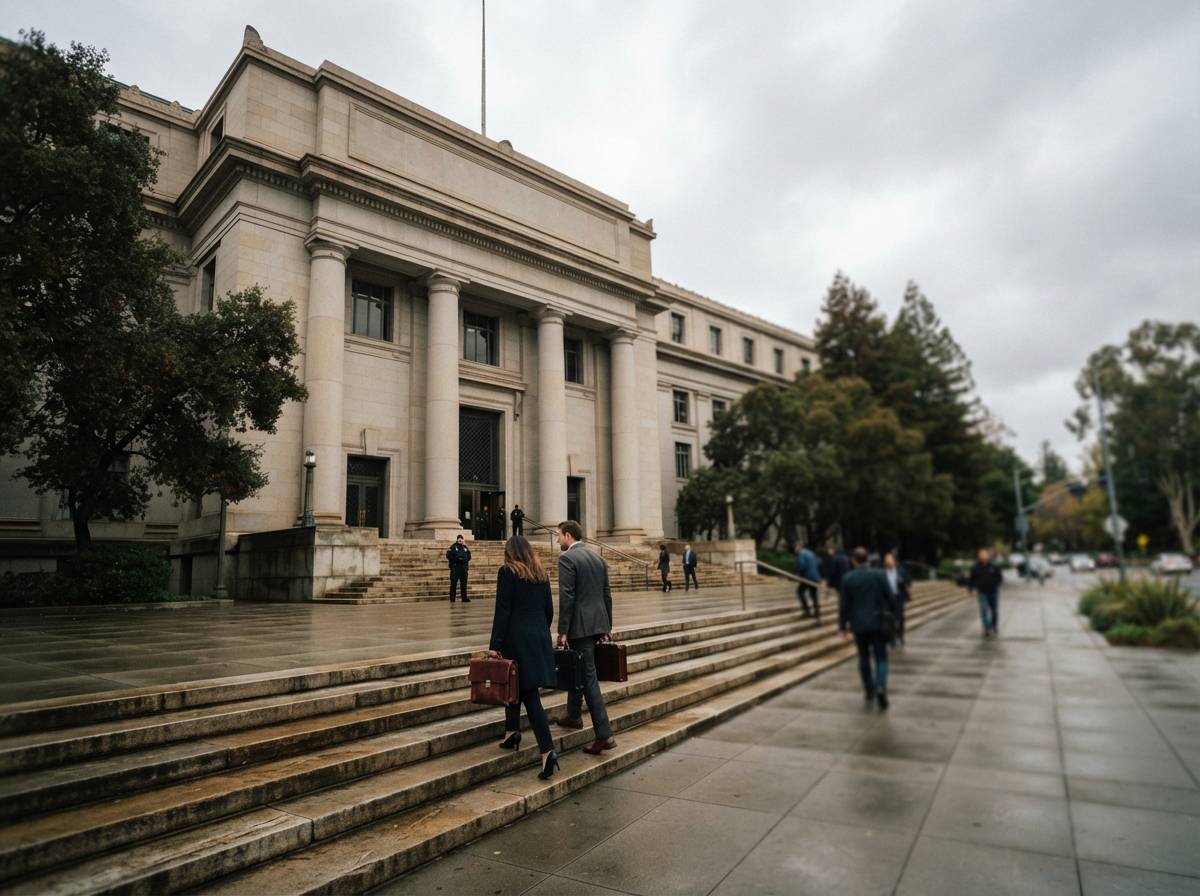
Apple sued OpenAI on Friday, accusing the company of stealing trade secrets to speed up its own hardware plans. The complaint, filed in the Northern District of California, names two former Apple employees now working at OpenAI and marks a stunning breakdown between two companies that were, not long ago, partners on Siri.
What Apple Says Happened
The lawsuit targets Tang Tan, OpenAI's chief hardware officer, and Chang Liu, a technical staff member. Both once worked at Apple. According to the complaint, Tan forwarded Apple supplier information to his personal email and told job candidates still employed at Apple to bring "actual parts" to their OpenAI interviews, sessions the suit describes as "show and tell." Tan spent 24 years at Apple and eventually led product design there, working closely with former design chief Jony Ive. He later joined Ive's hardware startup, io Products, which OpenAI absorbed.
Liu's alleged conduct is more specific. The suit claims he borrowed the work laptop of a former Apple colleague he was recruiting, used it to access Apple's internal systems, and pulled dozens of confidential hardware files. He allegedly then coached that person on how to move sensitive documents out of Apple without tripping the company's security monitors. Jony Ive himself is not named as a defendant.
Why Apple Sues OpenAI Now
The timing traces back to a partnership that soured. Apple and OpenAI struck a deal in 2024 to build ChatGPT into Siri. That arrangement has since come apart. When Apple unveiled its revamped Siri in June, it ran on Google's Gemini technology instead of ChatGPT, a public signal that the alliance had effectively ended.
Behind the scenes, Apple's frustrations reportedly went beyond just the technology. The Wall Street Journal reports Apple grew uneasy about OpenAI's data privacy practices and about OpenAI's recruiting of Apple's hardware engineers. OpenAI has been assembling its own device division, working with some of the same manufacturing partners Apple relies on, and hiring Apple veterans to run the effort.
OpenAI, for its part, had its own list of grievances. The company reportedly considered sending Apple a breach of contract notice, arguing that the Siri integration never delivered the subscriber growth or visibility it had counted on. Revenue from the deal came in well below projections, and talks to renegotiate the terms stalled without resolution. OpenAI had not decided on any formal legal step and still hoped to settle matters outside court.
A Second Trade Secret Fight
OpenAI already faces a separate trade secret claim from iyO, a startup developing a screenless, voice activated earpiece. iyO alleged last year that a former engineer took its files and handed them to Tan while he was a senior figure at io Products. OpenAI has denied that claim. Apple had not responded to a request for comment by press time.
Where This Leaves the Siri Partnership
Both companies now have overlapping grievances, contract disputes on one side, alleged trade secret theft on the other, with no public sign of a settlement. Whether Apple's suit forces changes to how OpenAI hires and builds hardware, or whether OpenAI still pursues its own breach of contract claim, remains an open question with real consequences for both companies' device ambitions.