Oil prices jump on renewed US Iran hostilities as the Strait of Hormuz closes, sending diesel futures and crude higher while stocks slide.
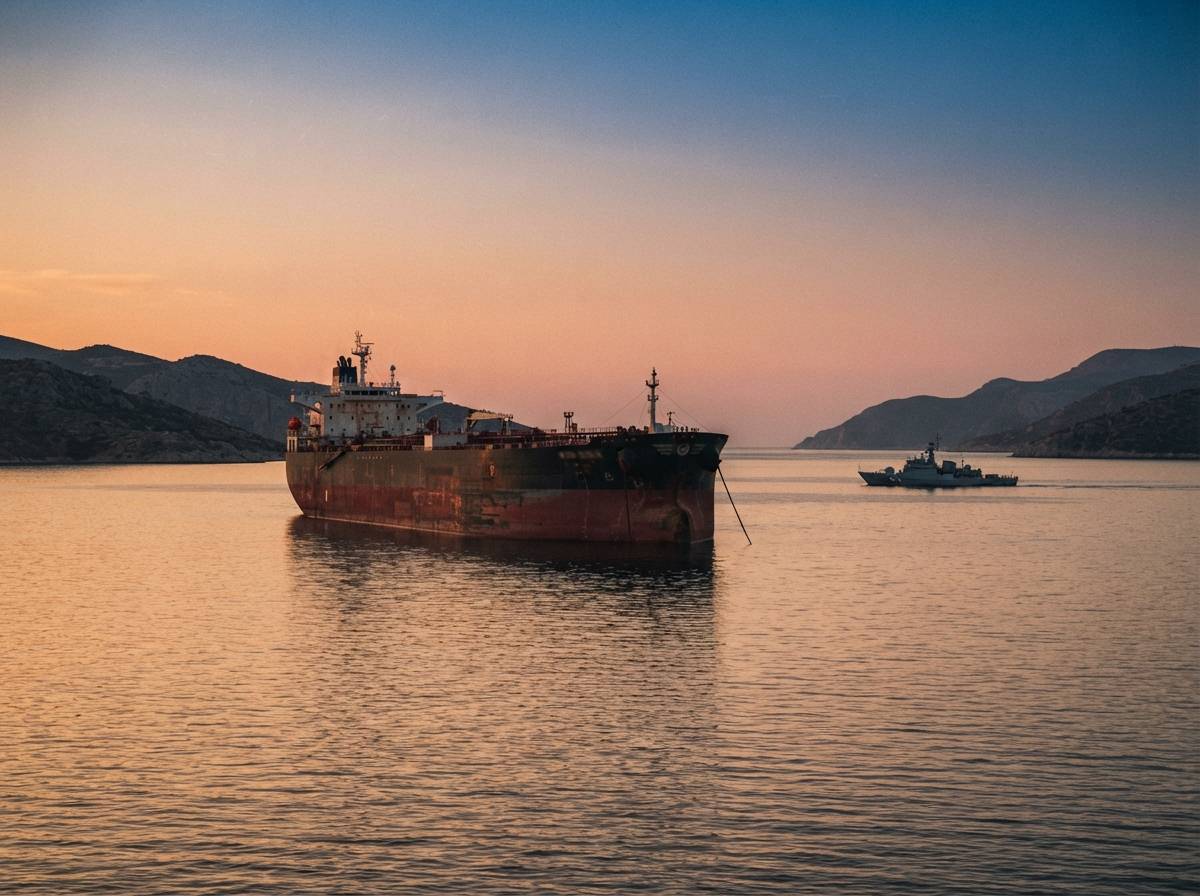
Oil prices jumped on renewed US Iran hostilities this week, with crude tracking ETF USO climbing as fighting broke out between the two countries and shut down traffic through the Strait of Hormuz, one of the world's busiest chokepoints for seaborne oil.
President Donald Trump said the strikes marked the end of a ceasefire that had barely held. Iran's top negotiator warned the strait would stay closed unless Tehran gave the order to reopen it, telling adversaries bluntly that any strike would come at a cost. That kind of language from Tehran tends to rattle traders fast, and it did.
Why Oil Prices Jump on Renewed US Iran Hostilities
The mechanics here are simple even if the politics are not. About a fifth of global oil and a large share of liquefied natural gas moves through the Strait of Hormuz. When that channel closes or even looks threatened, buyers scramble for cargoes elsewhere and prices spike on fear alone, before a single barrel actually goes missing from the market. US diesel futures rose at their fastest pace in four years this week, a sign the disruption is already reaching fuel markets, not just crude.
Refiners depend on predictable flows to plan runs and inventories. A shutdown, even a partial or short one, forces buyers to bid up whatever supply is available outside the strait, and that repricing happens almost instantly across futures markets.
Markets React Beyond the Barrel
Equities slid as the conflict escalated, with broad indexes such as the S&P 500 (tracked by SPY) and the Dow (tracked by DIA) pulling back as investors weighed higher energy costs against corporate earnings. Higher fuel prices squeeze consumers and businesses alike, and that risk shows up in stock prices well before it shows up in a company's actual numbers.
Safe haven flows are worth watching too. Gold, tracked by GLD, and silver, tracked by SLV, often draw buyers when geopolitical risk spikes, while longer dated Treasuries (TLT) can attract demand as investors look for shelter from volatility. None of these moves happen in isolation. They reflect a market trying to price a conflict whose next steps are genuinely unclear.
Trump's Narrowing Set of Options
The renewed fighting lands at an awkward moment for Trump politically, with midterm elections set for November. Rising fuel costs are one of the most visible economic pain points for voters, and a prolonged standoff in the Gulf would keep that pressure on through the fall campaign season.
One expert told Reuters that Trump has boxed himself in, having few good options left to end the conflict without appearing to back down or without risking further escalation. That bind matters for markets because traders are essentially betting on how long Washington and Tehran can sustain a standoff before one side blinks or a wider war breaks out.
How Long Can the Strait Stay Under Threat
Nobody outside Tehran and Washington knows how this resolves, and that uncertainty is exactly what is keeping a premium in oil prices right now. Watch diesel futures and tanker traffic data for the clearest early signs of whether this standoff eases or hardens into something longer.