Oil prices surge as Iran tensions escalate: Brent tops $79, WTI hits $74 after strikes on five Gulf allies and Hormuz closure claims.
Oil prices surged in Asian trading Monday after Iran fired missiles at five American allies in the Gulf region and reasserted that it had shut the Strait of Hormuz, a claim Washington disputes. Brent crude jumped 4% to top $79 a barrel, its highest level in more than three weeks, while U.S. benchmark WTI crude climbed 4.13% to $74.36 a barrel. The move reflects growing fear that this weekend's escalation could linger far longer than earlier flare ups between the two countries.
In Brief
- Brent crude rose 4% to above $79 a barrel, WTI gained 4.13% to $74.36
- Iran struck five U.S. allies: Bahrain, Kuwait, Qatar, Jordan, and Oman
- Iran says the Strait of Hormuz is closed again; the U.S. maintains it remains open
- Equity and bond markets fell in Asia and Europe as traders priced in prolonged disruption
- Analysts warn shipping through the strait has slowed to a trickle
Why Oil Prices Surge as Iran Tensions Escalate
The latest jump traces directly back to weekend military action. U.S. forces carried out fresh strikes on Iranian targets, and Tehran responded by launching missiles at neighboring Gulf states, several of which host American military infrastructure. Analysts at ANZ, cited by Reuters, said hopes for a quick resolution to the fighting now look shakier given how far the conflict widened over just a few days.
Strategists at ING, Warren Patterson and Ewa Manthey, warned that the real danger is a broader escalation that starts hitting energy infrastructure across the region, not just military or political targets. That kind of spillover would mark a shift from the more contained skirmishes seen earlier in the conflict.
The Strait of Hormuz Standoff
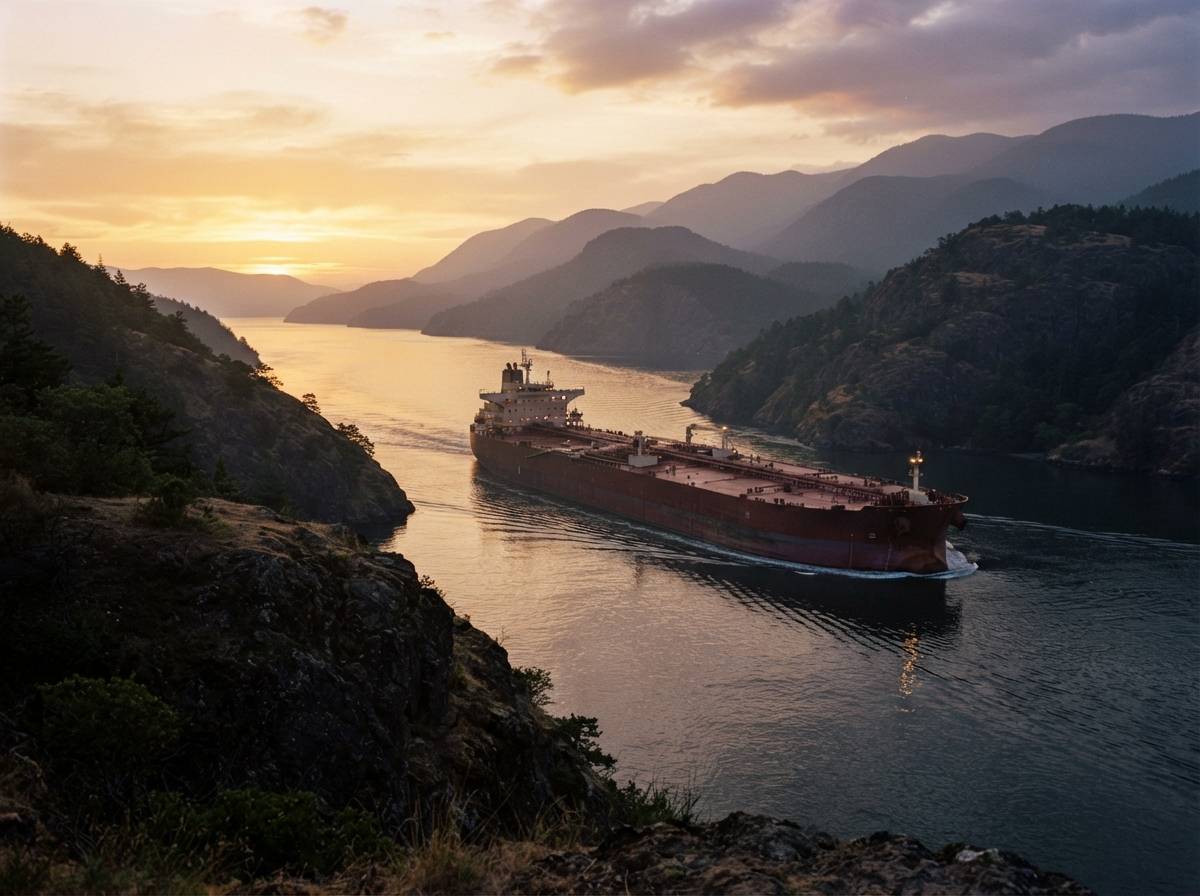
At the center of the market's anxiety sits the Strait of Hormuz, the narrow waterway between Iran and Oman through which a huge share of the world's seaborne oil passes. Iran claims the strait is closed. U.S. officials insist it remains open for traffic. Whatever the technical truth, ING's strategists note that vessel movement through the chokepoint has slowed to a trickle amid the fighting, which is reviving worries about tight oil supply heading into the third quarter.
Oman's involvement adds another layer of concern, since the sultanate sits right at the strait's edge. Any damage to shipping lanes or nearby energy facilities could ripple through global crude flows well beyond the immediate conflict zone.
How Wider Markets Are Reacting
The unease was not confined to oil. Equity and bond markets slid across Asia and Europe on Monday as investors began pricing in the possibility of a longer disruption to Gulf shipping. Commodity traders often watch broader risk sentiment through vehicles like the SPY for the S&P 500 or TLT for 20 year Treasuries, both of which tend to move as safe haven demand shifts during geopolitical shocks. A prolonged conflict that threatens oil supply routes typically pressures equities while boosting demand for havens, a pattern consistent with Monday's price action.
What Happens Next in the Oil Price Rally
Much depends on whether Iran and its neighbors pull back from further strikes or keep testing each other's infrastructure. If shipping through Hormuz keeps slowing and attacks continue hitting Gulf allies, the current price surge could extend well past this week. For now, traders are treating the situation as unresolved, with Brent's move above $79 a signal that the market sees real risk of continued disruption rather than a brief spike that fades by midweek.
Frequently Asked Questions
Why did oil surge today?
Oil jumped after the U.S. struck Iranian targets over the weekend and Iran retaliated by firing missiles at five Gulf allies, while also claiming the Strait of Hormuz was closed.
Why oil price increasing?
Prices are rising because traders fear disrupted shipping through the Strait of Hormuz and a wider regional conflict could tighten global crude supply through the third quarter.
Will gas prices rise iran?
Higher crude prices typically translate into higher gasoline prices over time, so continued escalation involving Iran could push pump prices upward if the conflict persists.
How will iran affect oil prices?
Iran's strikes on Gulf allies and its claims about closing the Strait of Hormuz have already pushed Brent and WTI prices up sharply, and further attacks could sustain that pressure.
Will oil prices rise after iran?
Prices may keep climbing if shipping through Hormuz remains disrupted and fighting spreads to energy infrastructure, though a quick de escalation could ease the current rally.