Tesla stock dropped 7.1% after a delivery beat as an NHTSA probe into FSD software raises doubts about its $1.6 trillion valuation.
Tesla (NASDAQ:TSLA) makes electric vehicles and is trying to convince investors it is really an autonomy company, and that tension is exactly what slammed the stock even after a blowout delivery report. Shares dropped 7.1% in a single session, wiping out a four day rally that had already priced in the good news before it arrived.
A Beat That Still Wasn't Enough
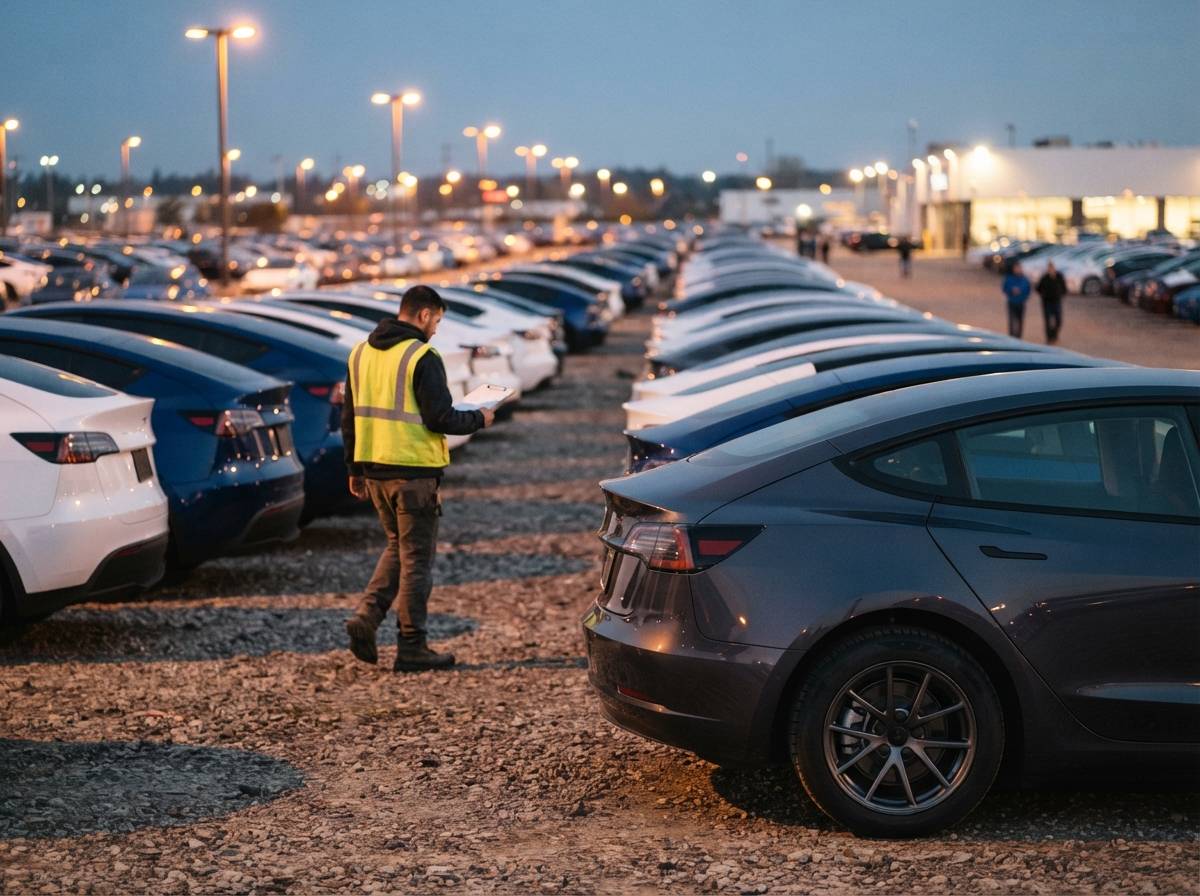
Tesla delivered 480,126 vehicles in the second quarter, topping the roughly 406,000 that analysts compiling company estimates had expected. That is an 18% beat versus consensus, a jump of about 25% from a year earlier, and a 34% improvement over the 358,023 delivered in the first quarter. By most measures, that is a strong quarter. Yet the stock fell anyway, a classic case of investors selling once the anticipated good news actually showed up.
Fund manager Gary Black has pointed out that both Tesla and rival Rivian climbed into their delivery reports, which undercuts any argument that the rally was driven by excitement over full self driving or robotaxi progress. Instead, the runup appears to have been built on delivery expectations alone. Higher gasoline prices in Europe, tied to the Iran conflict, along with cheaper Model 3 and Model Y variants, likely pulled some demand forward. China wholesales rose 24.4% year over year in June, adding to the strength. Once the number came in, traders who had positioned ahead of it simply cashed out.
Valuation, Momentum and Yield on Tesla's Autonomy Bet
Tesla's market capitalization sits near $1.6 trillion, a figure that has little to do with car deliveries and everything to do with how investors price its self driving ambitions. The stock trades with a price to earnings ratio that reflects that story rather than current profits, and its earnings per share trail far behind what a traditional automaker would command at this size. Shares have traded in a 52 week range that captures the wild swings tied to delivery cycles, regulatory headlines and shifting sentiment on artificial intelligence. Tesla does not pay a dividend, so any case for holding the stock rests entirely on price appreciation.
The bull case is straightforward: deliveries beat expectations by a wide margin, China wholesales are accelerating, and Musk has successfully shifted the narrative toward full self driving and robotaxis, a shift that helped push the stock up roughly 16% over the past year. The bear case centers on risk that a delivery number cannot address. Tesla is under a National Highway Traffic Safety Administration investigation into a fatal June 19 crash in Texas involving its FSD-involved software, the same technology stack underpinning the robotaxi rollout. With 15 moves greater than 5% over the past year, the stock's volatility signals that the market treats each headline as meaningful, even if it does not reshape the long term thesis.
Why Regulatory Risk Now Sits at the Center of the Story
Nine days before this latest drop, Tesla shares fell 4.8% after news broke of the NHTSA probe into a fatal Model 3 crash near Houston, where the driver said automated driving software was active when the car struck a home and killed a 76 year old woman. That software is the same stack Tesla plans to expand into robotaxis this year, which is why the investigation carries outsized weight. Once a company's valuation is anchored to a technology narrative rather than unit sales, any regulatory challenge to that technology becomes a direct challenge to the stock's premium, regardless of how many vehicles roll off the line each quarter.